This document is licensed for use under the Creative Commons Attribution
4.0 International Licence. August 2020
§ ILRI has a rich history of animal health biotech
research, including molecular diagnostics
§ ILRI has invested in different levels of bio-secure
facilities, including a high-containment BSL-3 lab
§ The generic nature of ILRI’s modern bioscience
facilities and expertise allowed us to rapidly re-
purpose for COVID-19 testing under safe and secure
conditions
§ Over 10,000 samples have been tested for presence
of SARS-CoV-2 viral RNA so far
§ ILRI’s investment in COVID-19 testing reflects its full
commitment to demonstrating how the One Health
approach translates to practice
Re-purposing ILRI labs to support
national COVID-19 testing in Kenya
ILRI-COVID Diagnostic Group
International Livestock Research Institute
Edward Okoth: e.okoth@cigar.org
Samuel Oyola: s.oyola@cgiar.org
Context
• The COVID-19 pandemic has had a negative impact on
human life and the global economy.
• Timely diagnostic tests to identify infected individuals play
a major role in controlling spread of the SARS-CoV-2 virus.
• At the onset of increased virus transmission in Kenya, the
Kenyan Ministry of Health requested ILRI to support its
national COVID-19 diagnostic effort.
• Leveraging our molecular diagnosis and infectious disease
research experience and expertise, part of our facilities
were repurposed for COVID-19 testing.
• Supported by the Ministry for Economic Cooperation and
Federal Development (BMZ) under the ILRI-led One Health
Research, Education and Outreach Centre for Africa
(OHRECA), and the Government of Kenya, COVID-19
testing was launched on 1st June 2020.
ANIMAL & HUMAN
HEALTH
Results/Impact
• Several diagnostic kits, sample work-flows and process
were optimized and validated prior to starting the service.
• Samples received from Kenyan government institutions &
labs are deactivated and processed in a BSL-3 lab prior to
PCR testing in a clean BSL-2 room. This ensures high
safety and quality standards are maintained.
• Results are returned to Ministry of Health within 24hrs:
o Data is used at an individual level to identify positive
cases and guide control measures, e.g. quarantine.
o Nationally the data helps estimate the rate of virus
spread to set national policies for public health.
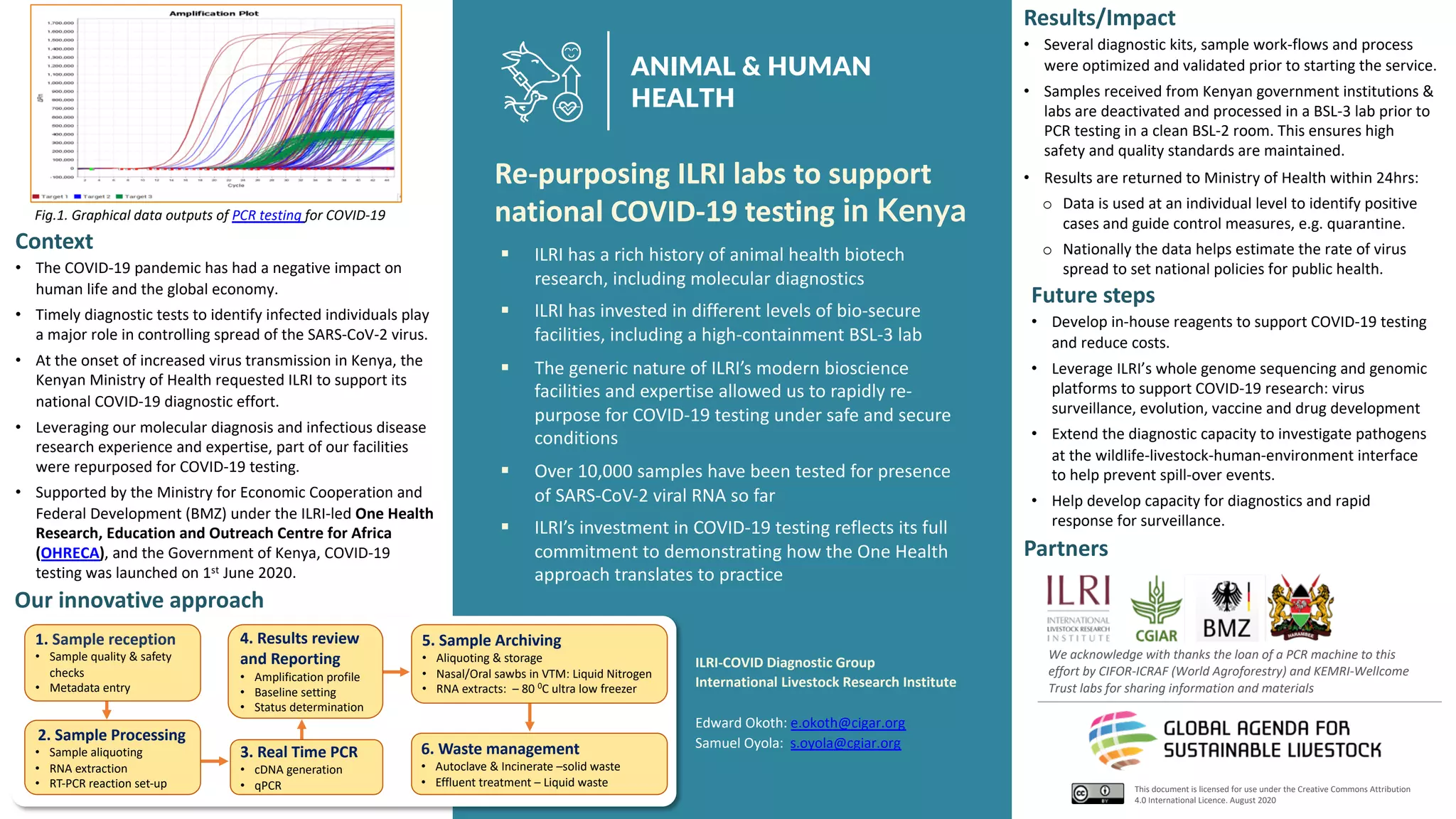
Fig.1. Graphical data outputs of PCR testing for COVID-19
Partners
Future steps
• Develop in-house reagents to support COVID-19 testing
and reduce costs.
• Leverage ILRI’s whole genome sequencing and genomic
platforms to support COVID-19 research: virus
surveillance, evolution, vaccine and drug development
• Extend the diagnostic capacity to investigate pathogens
at the wildlife-livestock-human-environment interface
to help prevent spill-over events.
• Help develop capacity for diagnostics and rapid
response for surveillance.
We acknowledge with thanks the loan of a PCR machine to this
effort by CIFOR-ICRAF (World Agroforestry) and KEMRI-Wellcome
Trust labs for sharing information and materials
Our innovative approach
6. Waste management
• Autoclave & Incinerate –solid waste
• Effluent treatment – Liquid waste
4. Results review
and Reporting
• Amplification profile
• Baseline setting
• Status determination
2. Sample Processing
• Sample aliquoting
• RNA extraction
• RT-PCR reaction set-up
1. Sample reception
• Sample quality & safety
checks
• Metadata entry
3. Real Time PCR
• cDNA generation
• qPCR
5. Sample Archiving
• Aliquoting & storage
• Nasal/Oral sawbs in VTM: Liquid Nitrogen
• RNA extracts: – 80 0
C ultra low freezer

Re-purposing ILRI labs to support national COVID-19 testing in Kenya

  • 1.
    This document islicensed for use under the Creative Commons Attribution 4.0 International Licence. August 2020 § ILRI has a rich history of animal health biotech research, including molecular diagnostics § ILRI has invested in different levels of bio-secure facilities, including a high-containment BSL-3 lab § The generic nature of ILRI’s modern bioscience facilities and expertise allowed us to rapidly re- purpose for COVID-19 testing under safe and secure conditions § Over 10,000 samples have been tested for presence of SARS-CoV-2 viral RNA so far § ILRI’s investment in COVID-19 testing reflects its full commitment to demonstrating how the One Health approach translates to practice Re-purposing ILRI labs to support national COVID-19 testing in Kenya ILRI-COVID Diagnostic Group International Livestock Research Institute Edward Okoth: e.okoth@cigar.org Samuel Oyola: s.oyola@cgiar.org Context • The COVID-19 pandemic has had a negative impact on human life and the global economy. • Timely diagnostic tests to identify infected individuals play a major role in controlling spread of the SARS-CoV-2 virus. • At the onset of increased virus transmission in Kenya, the Kenyan Ministry of Health requested ILRI to support its national COVID-19 diagnostic effort. • Leveraging our molecular diagnosis and infectious disease research experience and expertise, part of our facilities were repurposed for COVID-19 testing. • Supported by the Ministry for Economic Cooperation and Federal Development (BMZ) under the ILRI-led One Health Research, Education and Outreach Centre for Africa (OHRECA), and the Government of Kenya, COVID-19 testing was launched on 1st June 2020. ANIMAL & HUMAN HEALTH Results/Impact • Several diagnostic kits, sample work-flows and process were optimized and validated prior to starting the service. • Samples received from Kenyan government institutions & labs are deactivated and processed in a BSL-3 lab prior to PCR testing in a clean BSL-2 room. This ensures high safety and quality standards are maintained. • Results are returned to Ministry of Health within 24hrs: o Data is used at an individual level to identify positive cases and guide control measures, e.g. quarantine. o Nationally the data helps estimate the rate of virus spread to set national policies for public health. Fig.1. Graphical data outputs of PCR testing for COVID-19 Partners Future steps • Develop in-house reagents to support COVID-19 testing and reduce costs. • Leverage ILRI’s whole genome sequencing and genomic platforms to support COVID-19 research: virus surveillance, evolution, vaccine and drug development • Extend the diagnostic capacity to investigate pathogens at the wildlife-livestock-human-environment interface to help prevent spill-over events. • Help develop capacity for diagnostics and rapid response for surveillance. We acknowledge with thanks the loan of a PCR machine to this effort by CIFOR-ICRAF (World Agroforestry) and KEMRI-Wellcome Trust labs for sharing information and materials Our innovative approach 6. Waste management • Autoclave & Incinerate –solid waste • Effluent treatment – Liquid waste 4. Results review and Reporting • Amplification profile • Baseline setting • Status determination 2. Sample Processing • Sample aliquoting • RNA extraction • RT-PCR reaction set-up 1. Sample reception • Sample quality & safety checks • Metadata entry 3. Real Time PCR • cDNA generation • qPCR 5. Sample Archiving • Aliquoting & storage • Nasal/Oral sawbs in VTM: Liquid Nitrogen • RNA extracts: – 80 0 C ultra low freezer