INTRODUCTION
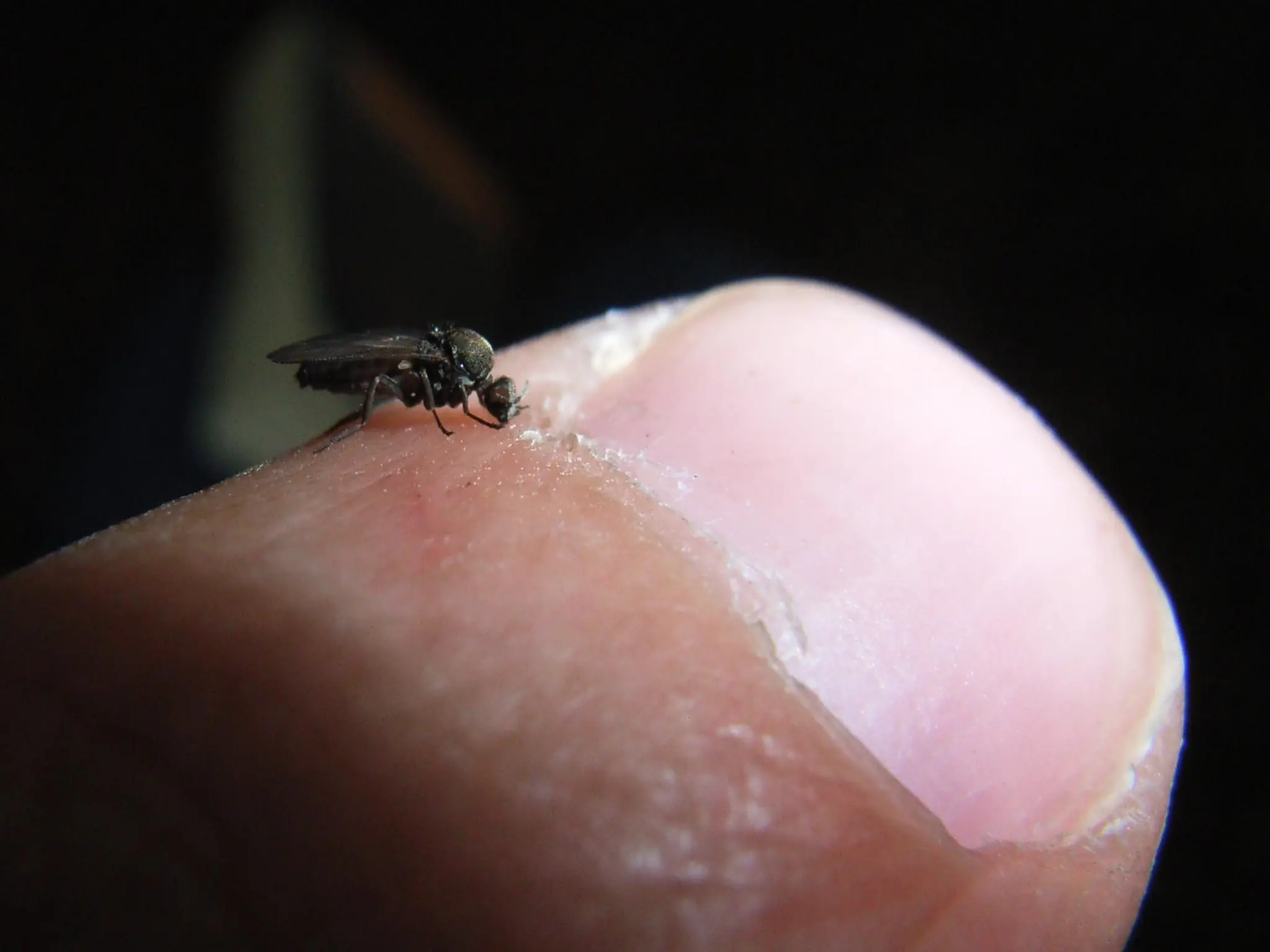
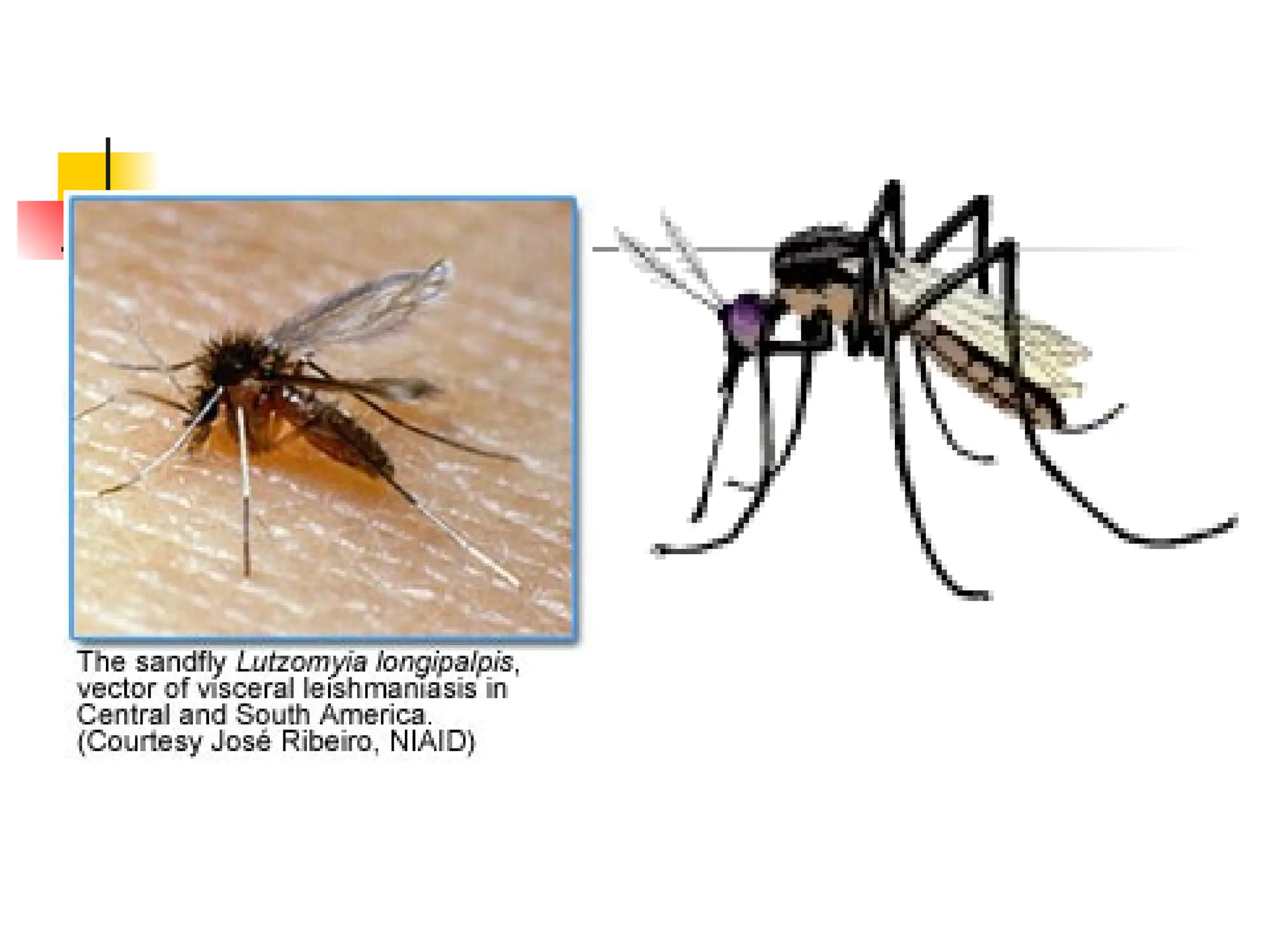
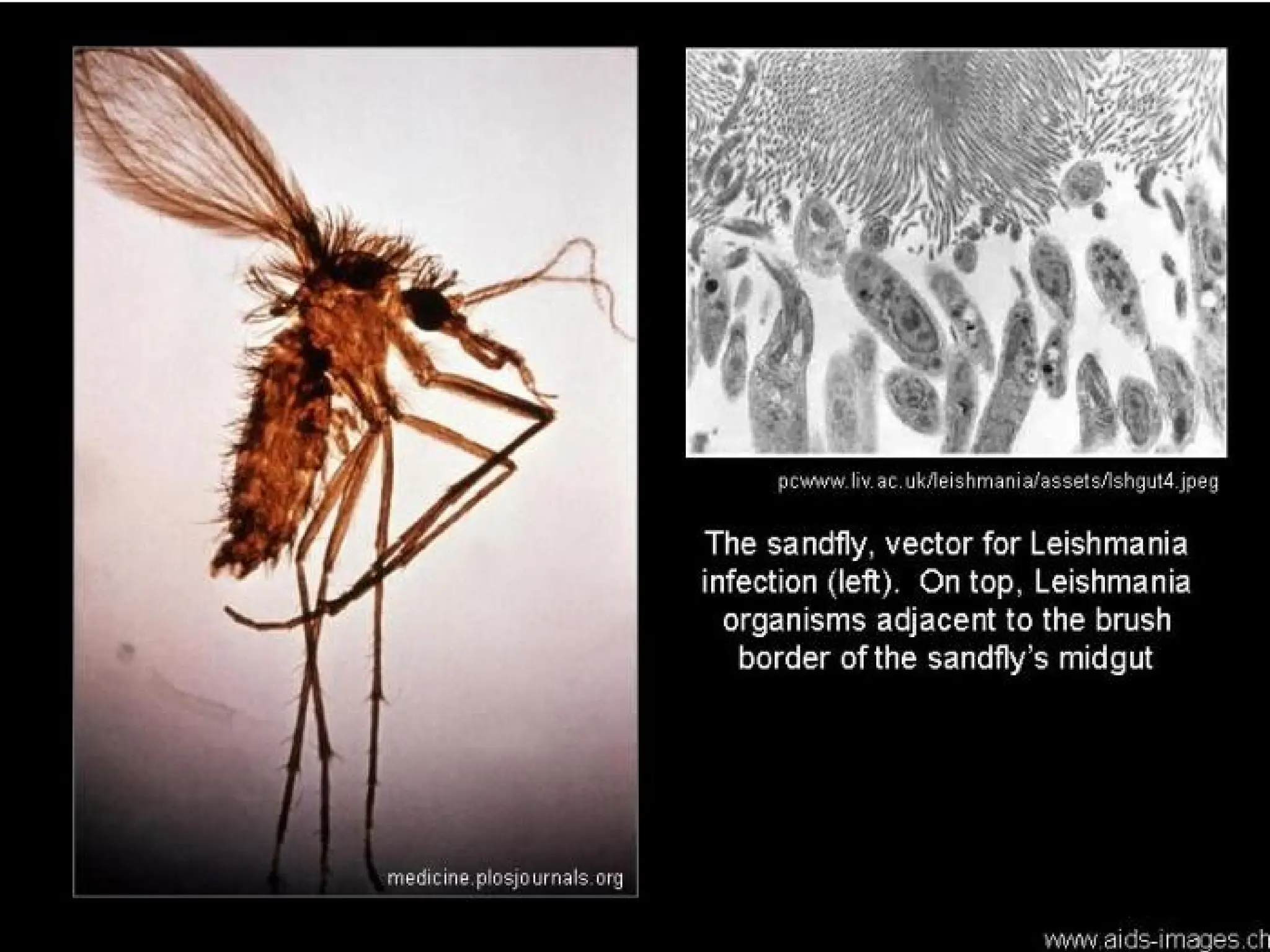
Small insects,light or dark brown in colour.
Sand fly is also known in Florida and
elsewhere as a Sand flea,Noseeum,or
Punkie.
Length:1.5-2.5mm
About 30 species recorded in India .the
important ones are :-
Phlebotomus argentipes
P.papatasii
P.sergenti
Sergentomyia punjabensis
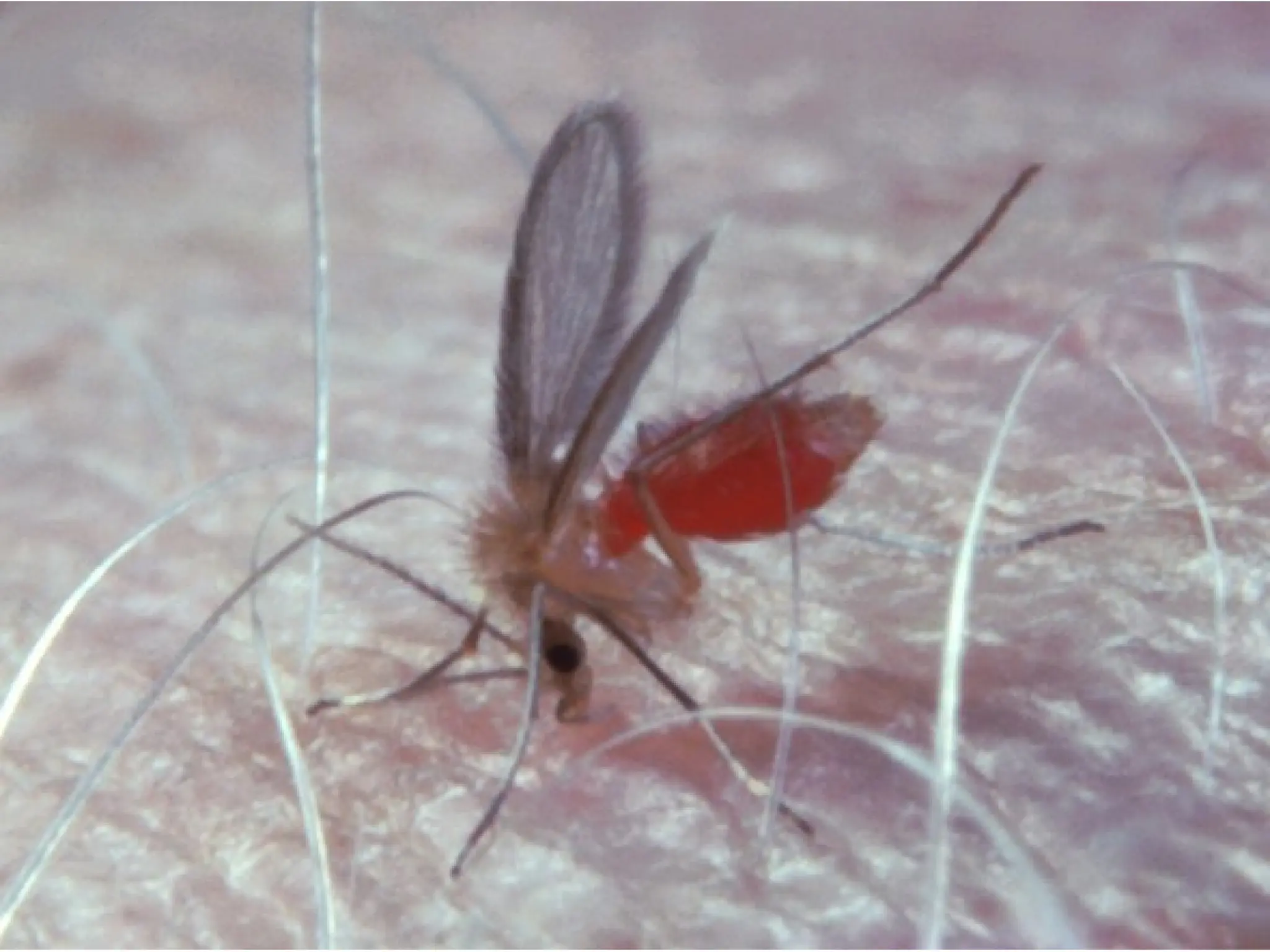
Thorax
A pairof wings
3 pairs of legs long & slender and are
out of proportion to the body.
Wings upright,lanceolate in shape and
densely haired.
The 2nd
longitudinal vein branches
twice, the first branching occurs in the
middle of the wing (characteristic).
8.
Abdomen
10 segments,covered with hair.
Female: tip rounded.
Male: there are claspers attached to
the last abdominal segment.
9.
Diff. from mosquitoes
Smaller in size.
Wings upright,lanceolate in shape,2nd
longitudinal vein branches twice.
Legs longer compared to the size of
the body.
Hairy insect.
Hops about, don't fly.
11.
Life history
Egg:
laidin dark, damp places in the
vicinity of cattle sheds and poultry.
Large torpedo shaped with
longitudinal wavy lines.
Hatches within 1 week.
12.
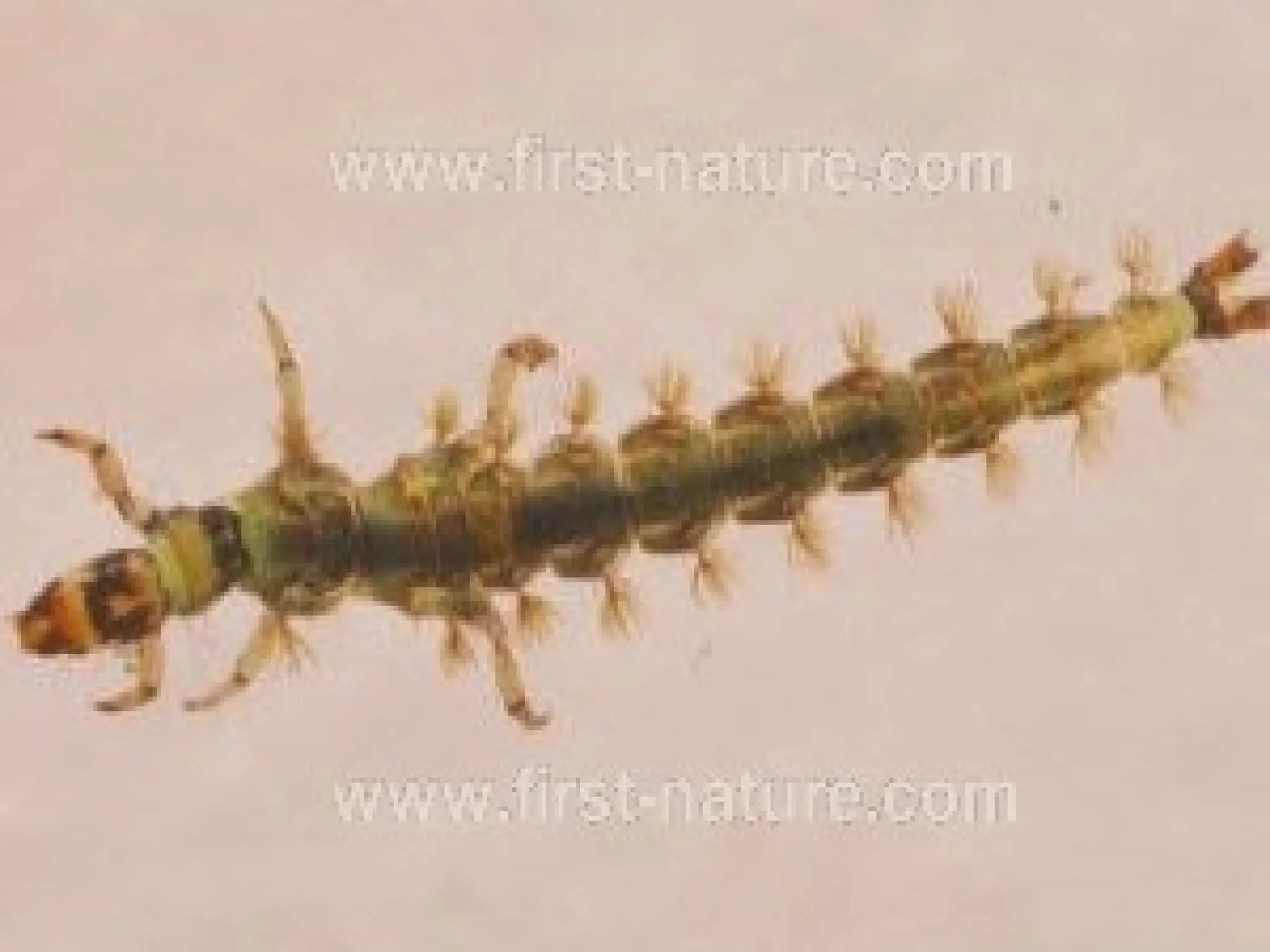
Larva :
Hairymaggots with a distinct head,
thorax and abdomen.
Last abd. segment carries 2 pairs off
long stout hairs; one pair is
remarkably long.
Feeds on decaying organic matter and
enters next stage in 2 weeks.
14.
Pupa
Lasts about1 week.
Adult
Avg. life of a sand fly is about 2
weeks.
16.
Habits
Nocturnal, presenceis scarcely obs.
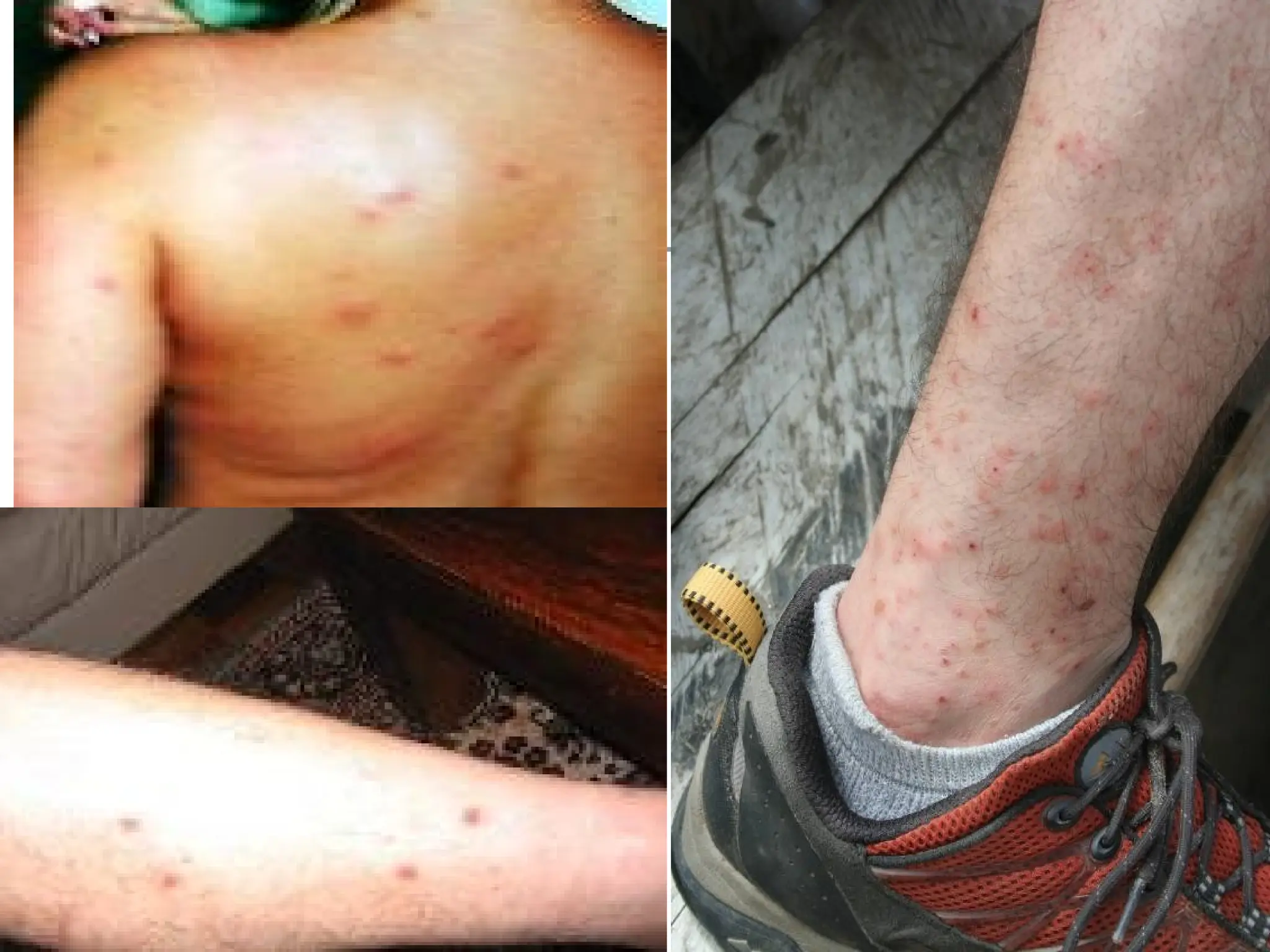
Bite is painful, irritating, leaves a rash
Infest dwellings during night, and take
shelter in the holes and the crevices of the
walls, trees store rooms, tables.
Only the female bites whereas the male
feeds over vegetable juices.
Confined to 50 yards from the breeding
place.
18.
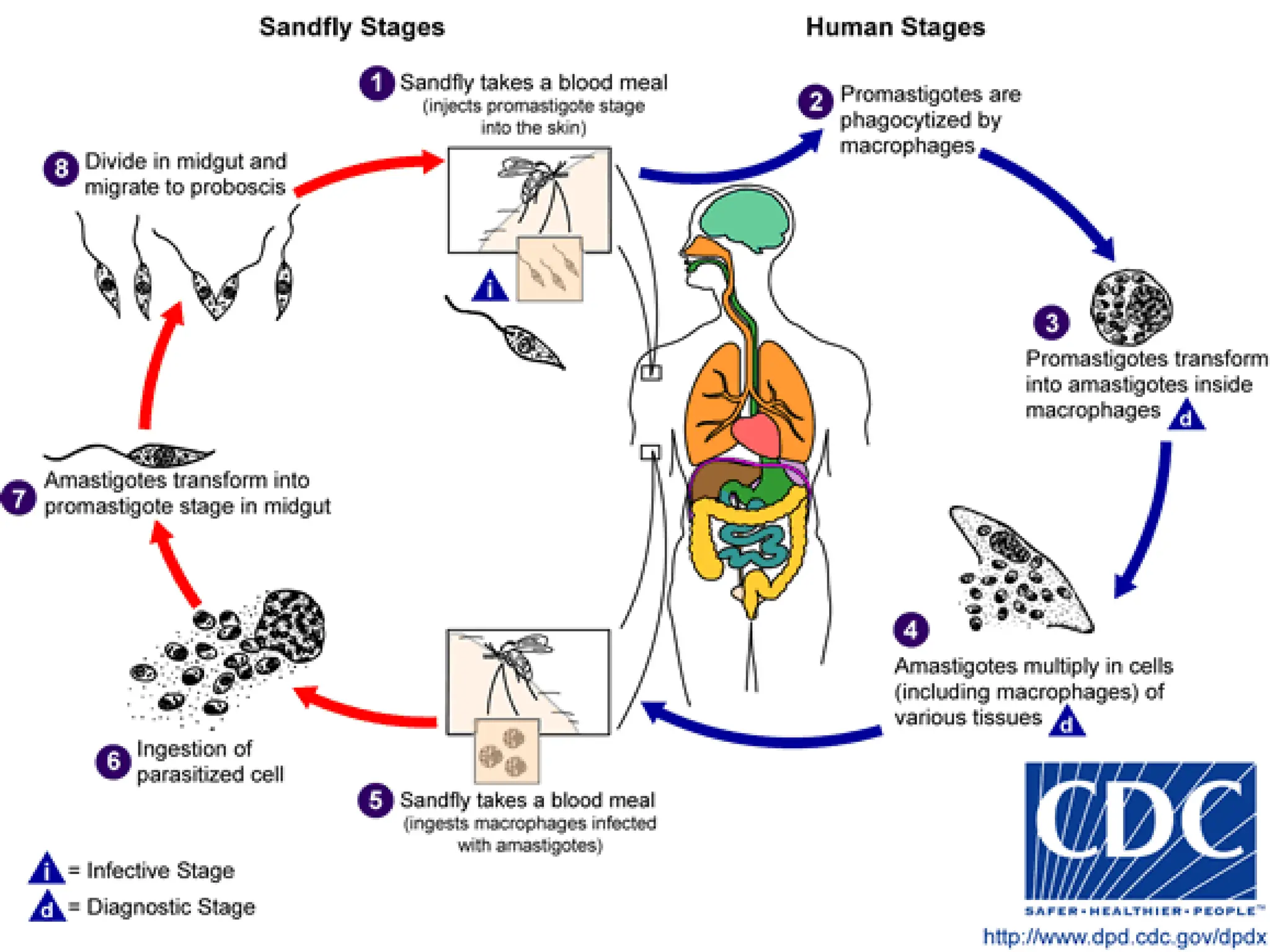
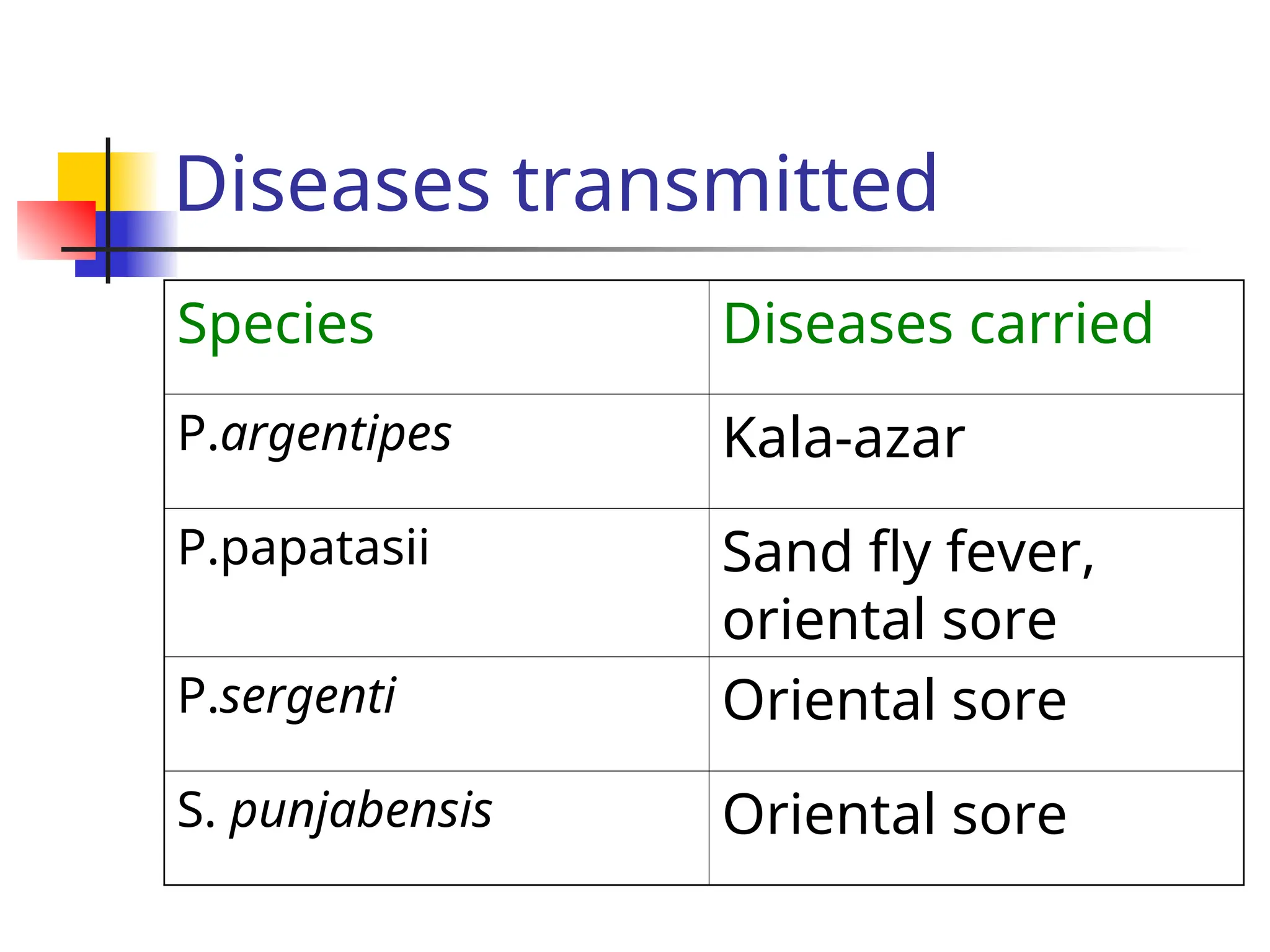
Diseases transmitted
Species Diseasescarried
P.argentipes Kala-azar
P.papatasii Sand fly fever,
oriental sore
P.sergenti Oriental sore
S. punjabensis Oriental sore
20.
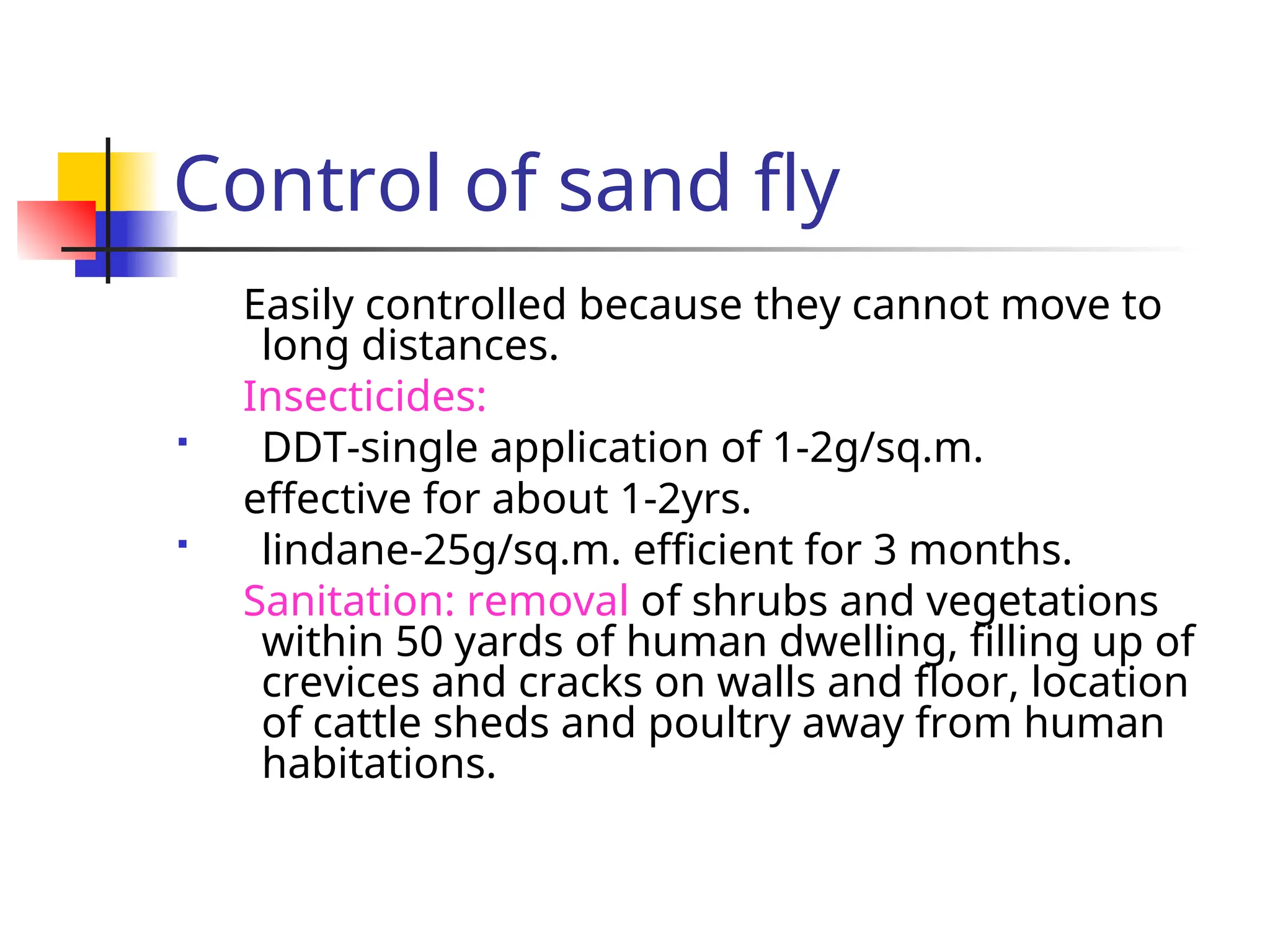
Control of sandfly
Easily controlled because they cannot move to
long distances.
Insecticides:
DDT-single application of 1-2g/sq.m.
effective for about 1-2yrs.
lindane-25g/sq.m. efficient for 3 months.
Sanitation: removal of shrubs and vegetations
within 50 yards of human dwelling, filling up of
crevices and cracks on walls and floor, location
of cattle sheds and poultry away from human
habitations.
21.
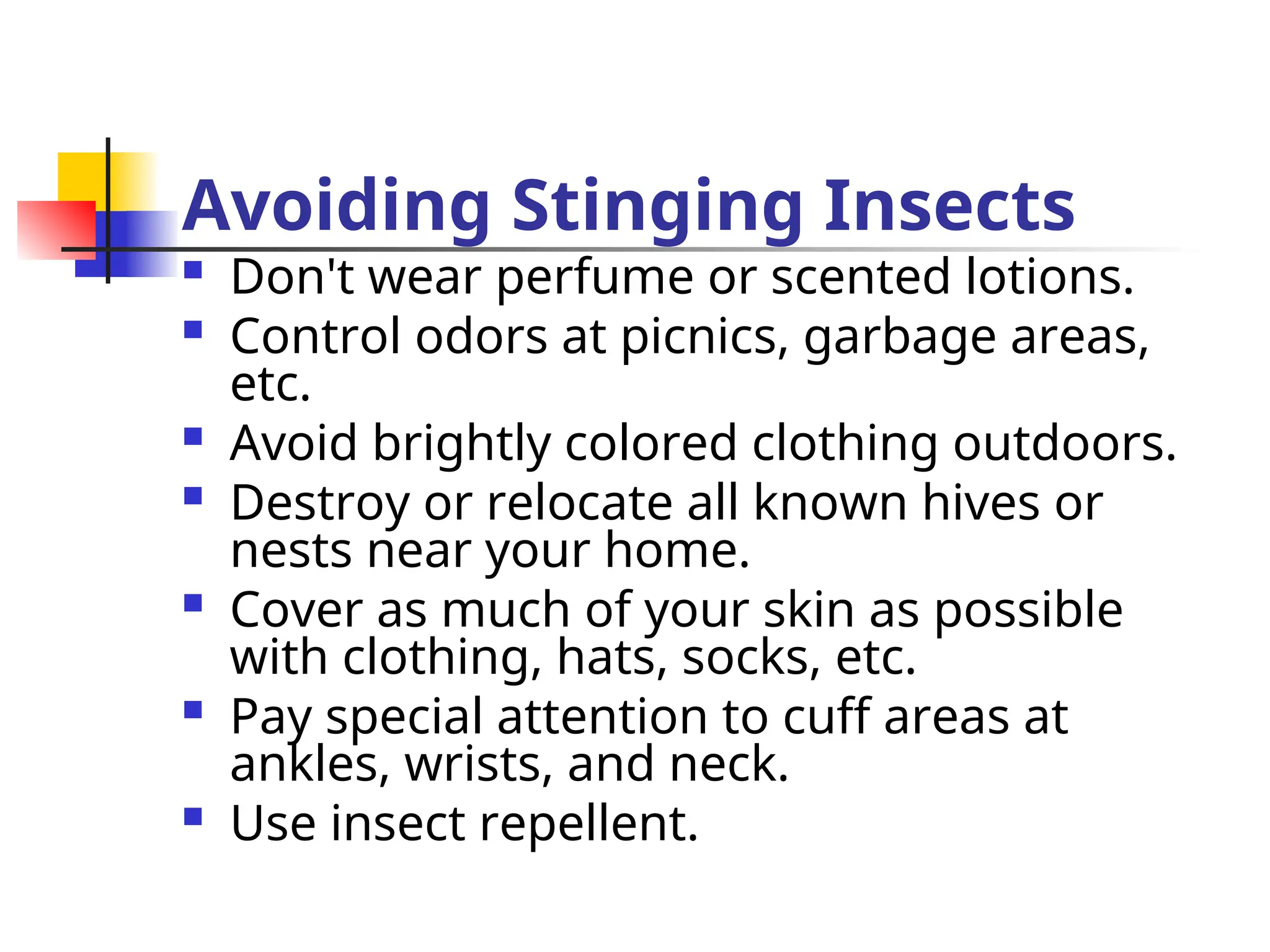
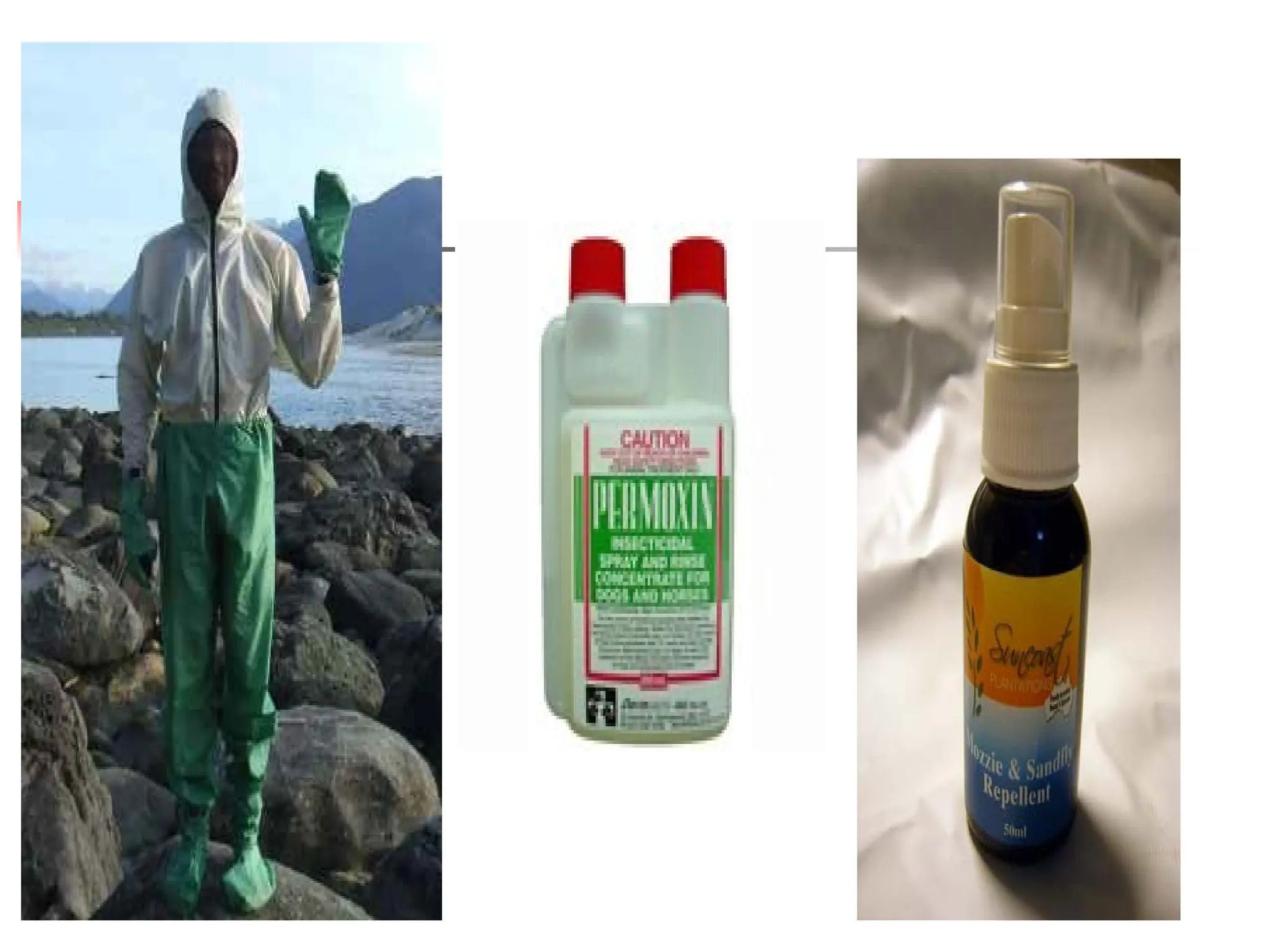
Avoiding Stinging Insects
Don't wear perfume or scented lotions.
Control odors at picnics, garbage areas,
etc.
Avoid brightly colored clothing outdoors.
Destroy or relocate all known hives or
nests near your home.
Cover as much of your skin as possible
with clothing, hats, socks, etc.
Pay special attention to cuff areas at
ankles, wrists, and neck.
Use insect repellent.
23.
Vector control byinsecticide-treated nets in the fight
against visceral leishmaniasis in the Indian subcontinent
In 2005, India Nepal and Bangladesh signed a memorandum
of understanding to eliminate VL from the region.
Integrated vector management is one of the pillars of this
elimination strategy, alongside early case detection and
treatment. They reviewed the evidence of effectiveness of
different vector control methods, to examine the potential
role of insecticide treated bed nets (ITNs).
Indoor residual spraying has shown poor impact for various
reasons and resistance to DDT is emerging in Bihar.
Environmental management performed poorly compared to
insecticide based methods.
ITNs could give individual protection but this still needs to be
proven in randomized trials.
24.
Breeding ecology ofvisceral leishmaniasis vector sand
fly in Bihar state of India.
National Institute of Communicable Diseases, Kala- azar
unit, Patna, Bihar, India.
Soil samples weighing 255.3kg, collected from 50 villages of
5 visceral leishmaniasis (VL) endemic districts of Bihar state
were examined for sand fly breeding, using the soil
incubation method.
Breeding of sand flies was detected in 46% of the villages
and 7.3% of the soil samples examined
Intra-domestic soil was found to be infested with 2 species
of sand flies, Phlebotomus argentipes Annandale and
Brunetti and Phlebotomus papatasi (Scopoli). In comparison
with human houses, P. argentipes was found to show
greater propensity to breed in cattle sheds; breeding
prevalence in villages and soil samples, for the species.
25.
Lutzomyia maruaga, anew bat-cave sand fly
from Amazonas, Brazil.
instituto Nacional de Pesquisas da Amazônia,
Manaus, Amazonas, 69011-970, Brazil.
A new species of parthenogenesis, autogenic and
apparently extremely endemic phlebotomine is
described from a sandstone cave located in
primary terra firme forest to the North of the city
of Manaus.
Specimens were collected in the aphotic zone of
the Refúgio do Maruaga cave by light trap and
reared from bat guano. The adult morphology
suggests a closer relationship to some Old World
Phlebotominae than to species of Lutzomyia
França encountered in the surrounding rainforest.
27.
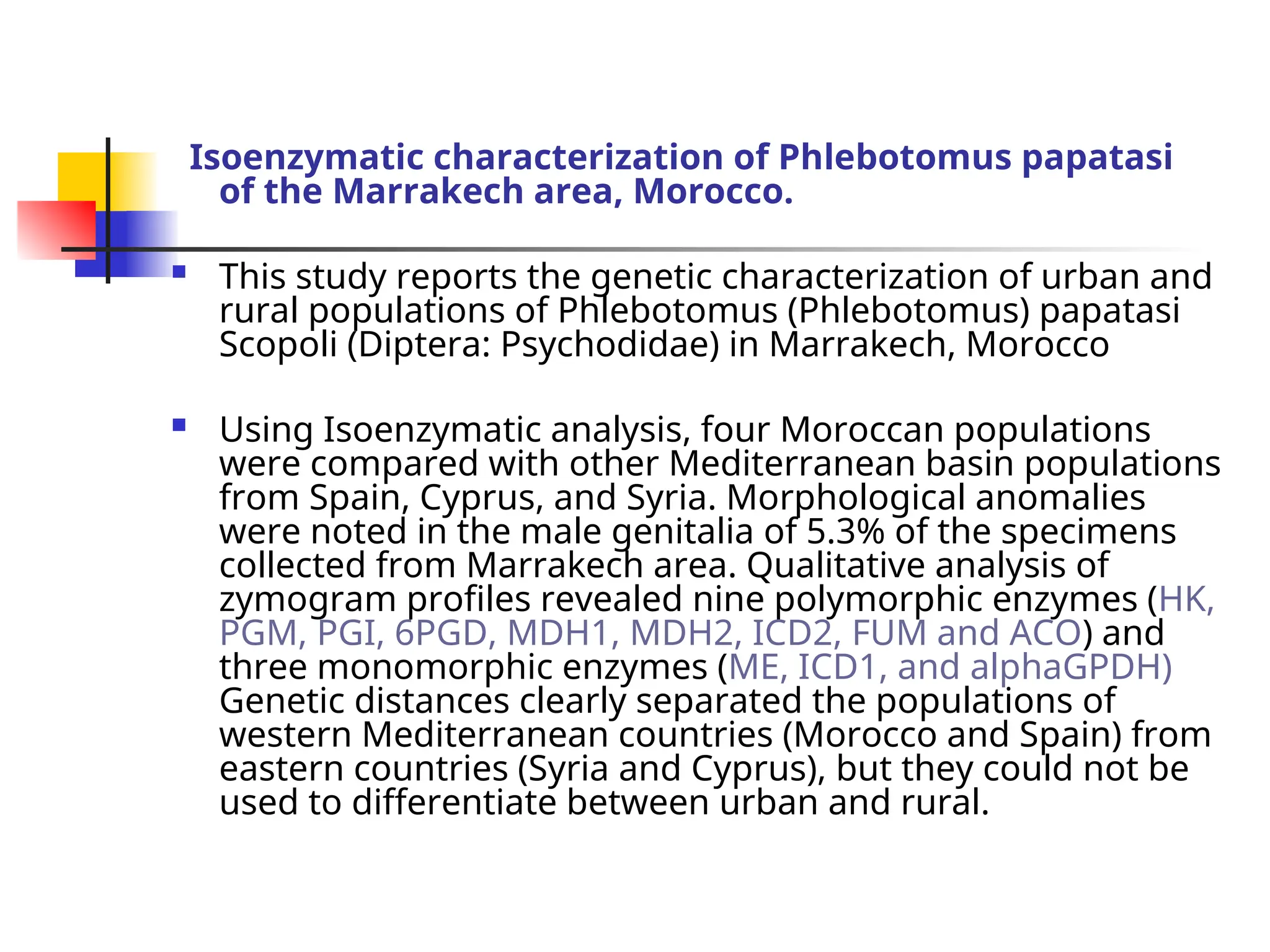
Isoenzymatic characterization ofPhlebotomus papatasi
of the Marrakech area, Morocco.
This study reports the genetic characterization of urban and
rural populations of Phlebotomus (Phlebotomus) papatasi
Scopoli (Diptera: Psychodidae) in Marrakech, Morocco
Using Isoenzymatic analysis, four Moroccan populations
were compared with other Mediterranean basin populations
from Spain, Cyprus, and Syria. Morphological anomalies
were noted in the male genitalia of 5.3% of the specimens
collected from Marrakech area. Qualitative analysis of
zymogram profiles revealed nine polymorphic enzymes (HK,
PGM, PGI, 6PGD, MDH1, MDH2, ICD2, FUM and ACO) and
three monomorphic enzymes (ME, ICD1, and alphaGPDH)
Genetic distances clearly separated the populations of
western Mediterranean countries (Morocco and Spain) from
eastern countries (Syria and Cyprus), but they could not be
used to differentiate between urban and rural.
28.
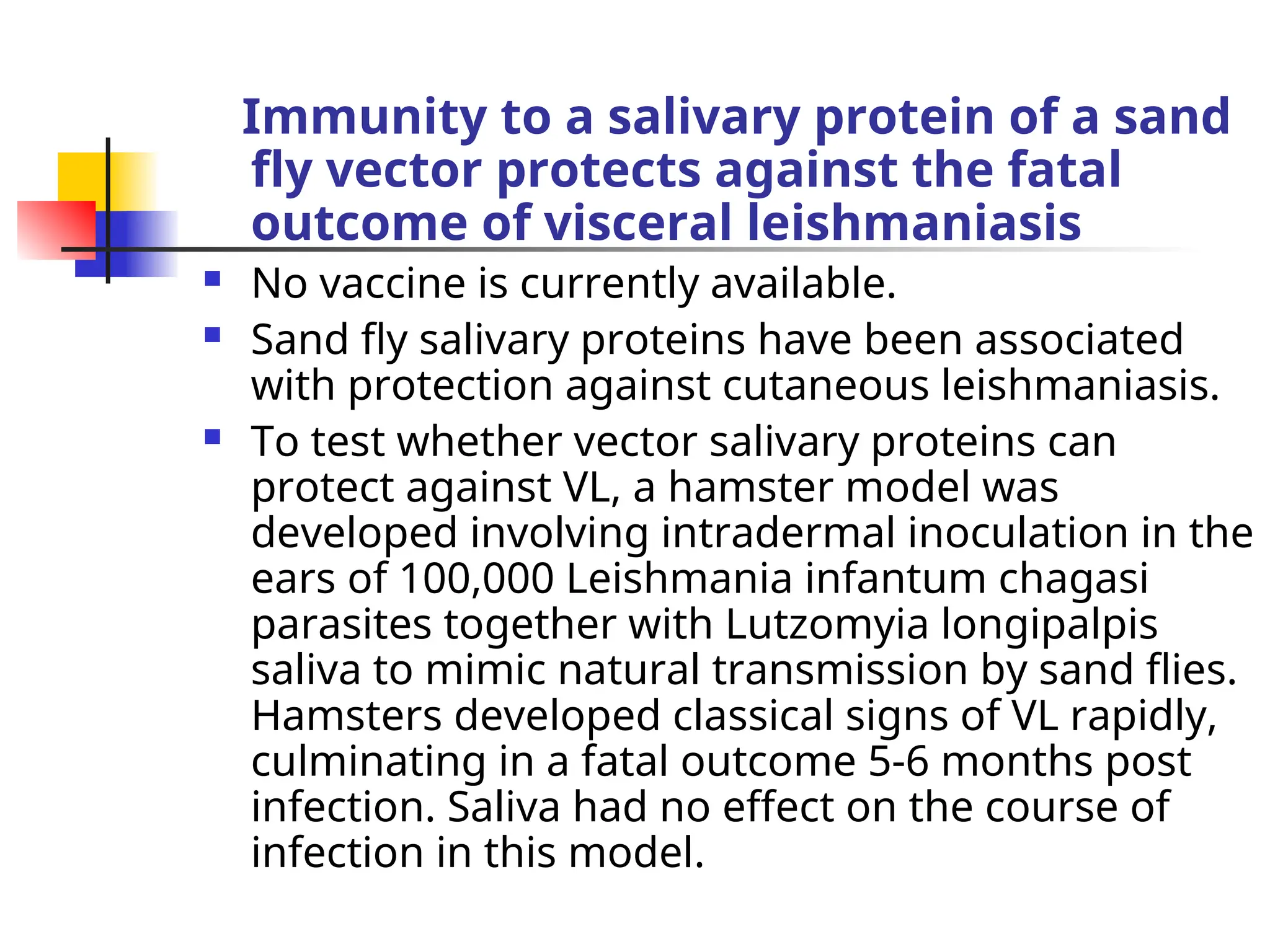
Immunity to asalivary protein of a sand
fly vector protects against the fatal
outcome of visceral leishmaniasis
No vaccine is currently available.
Sand fly salivary proteins have been associated
with protection against cutaneous leishmaniasis.
To test whether vector salivary proteins can
protect against VL, a hamster model was
developed involving intradermal inoculation in the
ears of 100,000 Leishmania infantum chagasi
parasites together with Lutzomyia longipalpis
saliva to mimic natural transmission by sand flies.
Hamsters developed classical signs of VL rapidly,
culminating in a fatal outcome 5-6 months post
infection. Saliva had no effect on the course of
infection in this model.
29.
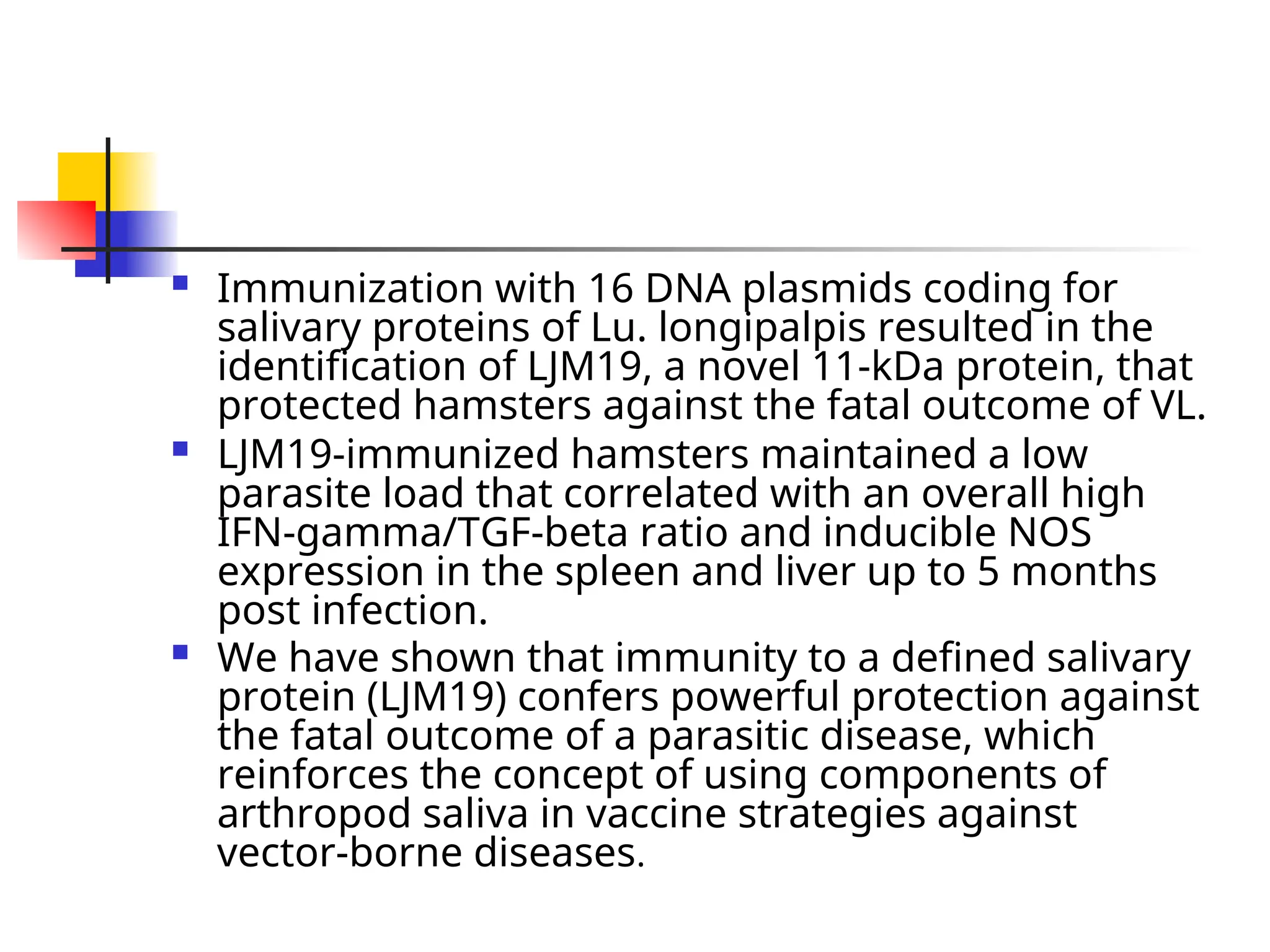
Immunization with16 DNA plasmids coding for
salivary proteins of Lu. longipalpis resulted in the
identification of LJM19, a novel 11-kDa protein, that
protected hamsters against the fatal outcome of VL.
LJM19-immunized hamsters maintained a low
parasite load that correlated with an overall high
IFN-gamma/TGF-beta ratio and inducible NOS
expression in the spleen and liver up to 5 months
post infection.
We have shown that immunity to a defined salivary
protein (LJM19) confers powerful protection against
the fatal outcome of a parasitic disease, which
reinforces the concept of using components of
arthropod saliva in vaccine strategies against
vector-borne diseases.
30.
what is aSand fly Fever?
Also known as Three-day fever because sand fly
fever's normal duration is a short or three day.
It is common at the junction of the seasons.
It is found in the northern regions of India,
particularly in Punjab, Delhi, Western U.P., and
Madhya Pradesh.
Main causes of sand fly fever are virus, serotype
Toscana. In some patients, serotype Toscana may
cause meningitis and meningoencephalitis.TOS
infection should be considered as a cause of acute
central nervous system disorders in patients
returning from areas of endemicity.Sandfly fever
may cause systemic disease.
31.
What are thesymptoms of Sand fly Fever?
Headache
Feverishness
A flushed face
Bloodshot eyes
Chills
Shivering
Flu-like symptoms
Muscle pains
Joint pains
Flushing



![1 Presentation7[1] correctefgggggfffhhhhhhd.ppt](https://cdn.slidesharecdn.com/ss_thumbnails/1presentation71corrected-240404110005-b93b8a54-thumbnail.jpg?width=640&height=640&fit=bounds)


