Dave Chaffey, E-Business and E-Commerce Management, 4th
Edition, © Marketing Insights Limited 2009
Slide 1.1
Introduction to e-business and
e-commerce
Dave Chaffey, E-Business and E-Commerce Management, 4th
Edition, © Marketing Insights Limited 2009
Slide 1.2
Learning outcomes
• Define the meaning and scope of e-business
and e-commerce and their different elements
• Summarize the main reasons for adoption of
e-commerce and e-business and barriers that
may restrict adoption
• Outline the ongoing business challenges of
managing e-business and e-commerce in an
organization.
Dave Chaffey, E-Business and E-Commerce Management, 4th
Edition, © Marketing Insights Limited 2009
Slide 1.3
Management issues
• How do we explain the scope and implications
of e-business and e-commerce to staff?
• What is the full range of benefits of
introducing e-business and what are the
risks?
• How do we evaluate our current e-business
capabilities?
Dave Chaffey, E-Business and E-Commerce Management, 4th
Edition, © Marketing Insights Limited 2009
Slide 1.4
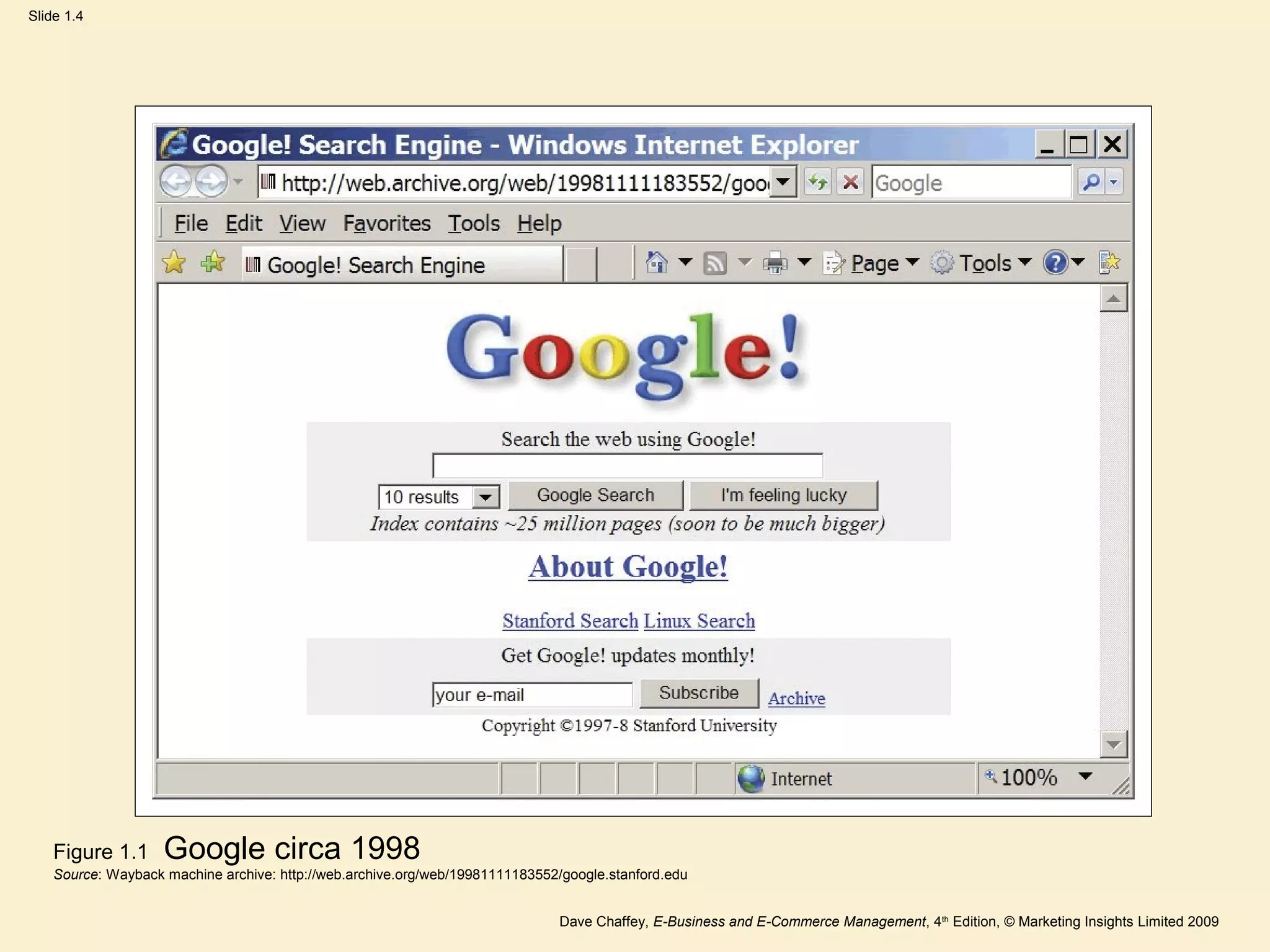
Figure 1.1 Google circa 1998
Source: Wayback machine archive: http://web.archive.org/web/19981111183552/google.stanford.edu
Dave Chaffey, E-Business and E-Commerce Management, 4th
Edition, © Marketing Insights Limited 2009
Slide 1.5
E-business innovation and
opportunity
• Since Google was launched in 1998 which
e-business startups have transformed the way
we work, live and play?
• How has Google innovated in search and its
business table?
• See Table 1.1 for some of major innovators
Dave Chaffey, E-Business and E-Commerce Management, 4th
Edition, © Marketing Insights Limited 2009
Slide 1.6
The impact of the Internet on
business
• Andy Grove, Chairman of Intel, one of the
early adopters of e-commerce, has made a
meteorological analogy with the Internet. He
says:
Is the Internet a typhoon force, a ten times
force, or is it a bit of wind? Or is it a force that
fundamentally alters our business? (Grove,
1996)
Dave Chaffey, E-Business and E-Commerce Management, 4th
Edition, © Marketing Insights Limited 2009
Slide 1.7
E-business opportunities
• Reach
– Over 1 billion users globally
– Connect to millions of products
• Richness
– Detailed product information on 20 billion +
pages indexed by Google. Blogs, videos,
feeds…
– Personalized messages for users
• Affiliation
– Partnerships are key in the networked
economy
Dave Chaffey, E-Business and E-Commerce Management, 4th
Edition, © Marketing Insights Limited 2009
Slide 1.8
Internet risks – what can go wrong
with a transactional site?
•
•
•
•
•
•
Dave Chaffey, E-Business and E-Commerce Management, 4th
Edition, © Marketing Insights Limited 2009
Slide 1.9
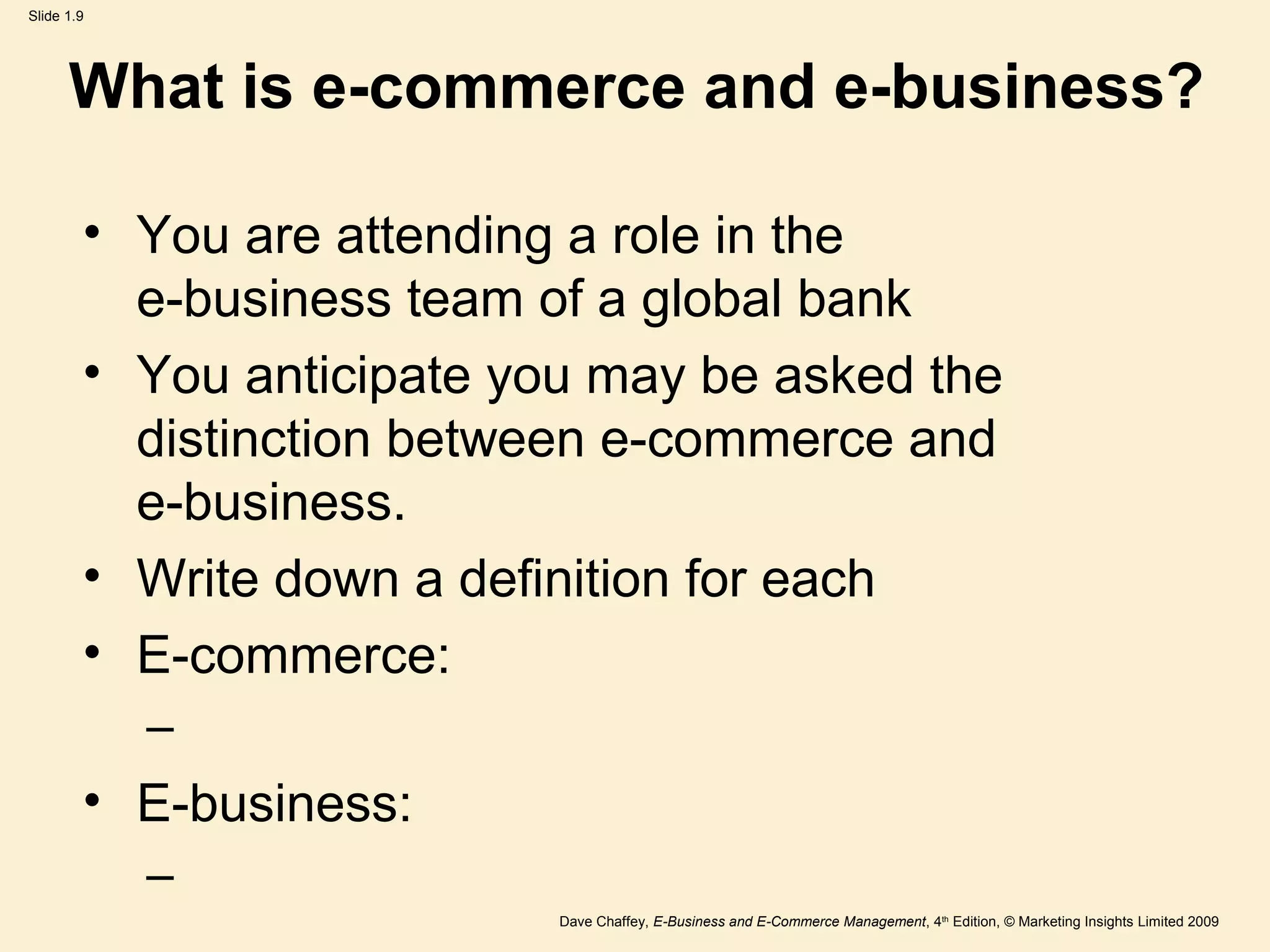
What is e-commerce and e-business?
• You are attending a role in the
e-business team of a global bank
• You anticipate you may be asked the
distinction between e-commerce and
e-business.
• Write down a definition for each
• E-commerce:
–
• E-business:
–
Dave Chaffey, E-Business and E-Commerce Management, 4th
Edition, © Marketing Insights Limited 2009
Slide 1.10
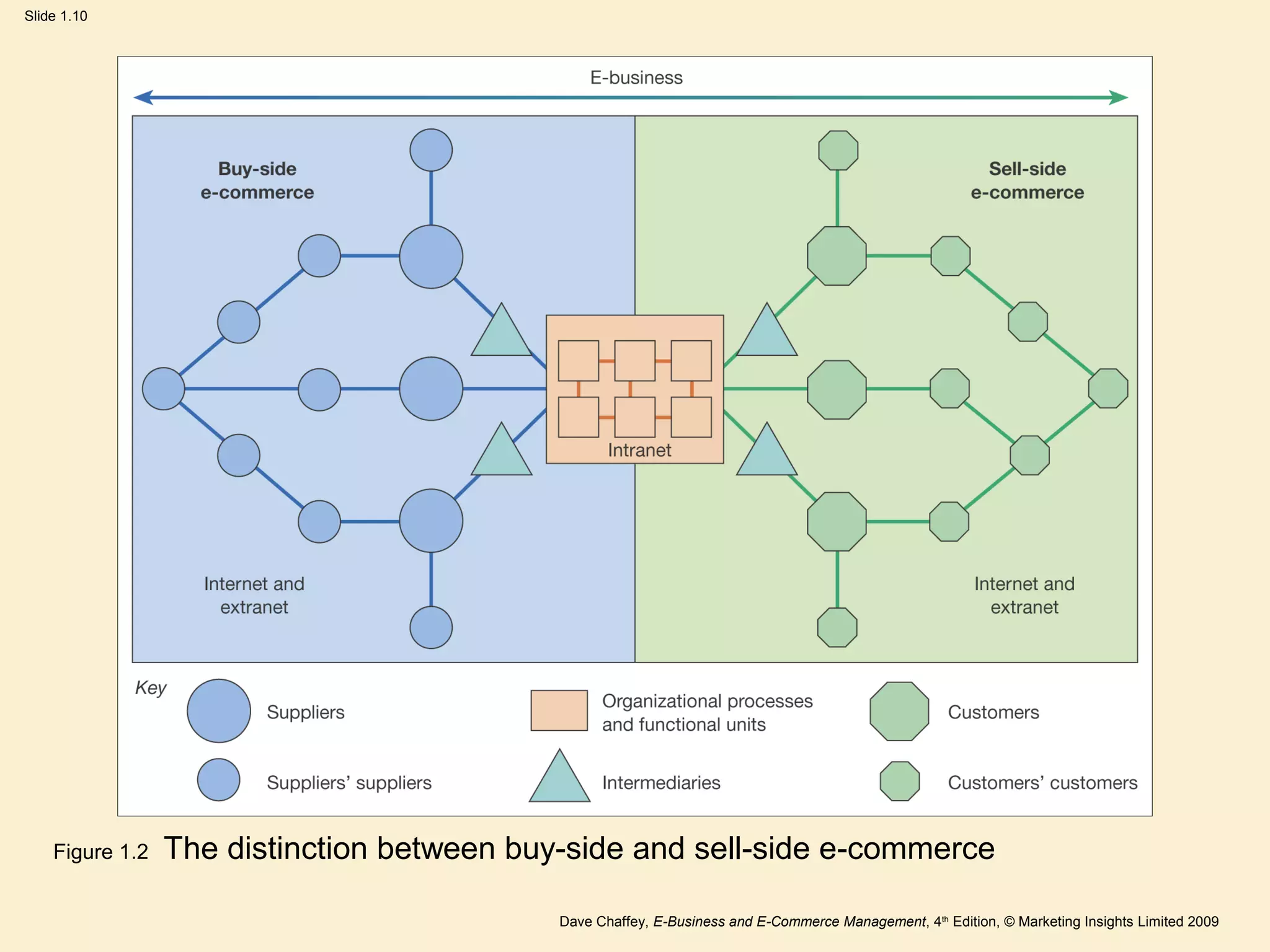
Figure 1.2 The distinction between buy-side and sell-side e-commerce
Dave Chaffey, E-Business and E-Commerce Management, 4th
Edition, © Marketing Insights Limited 2009
Slide 1.11
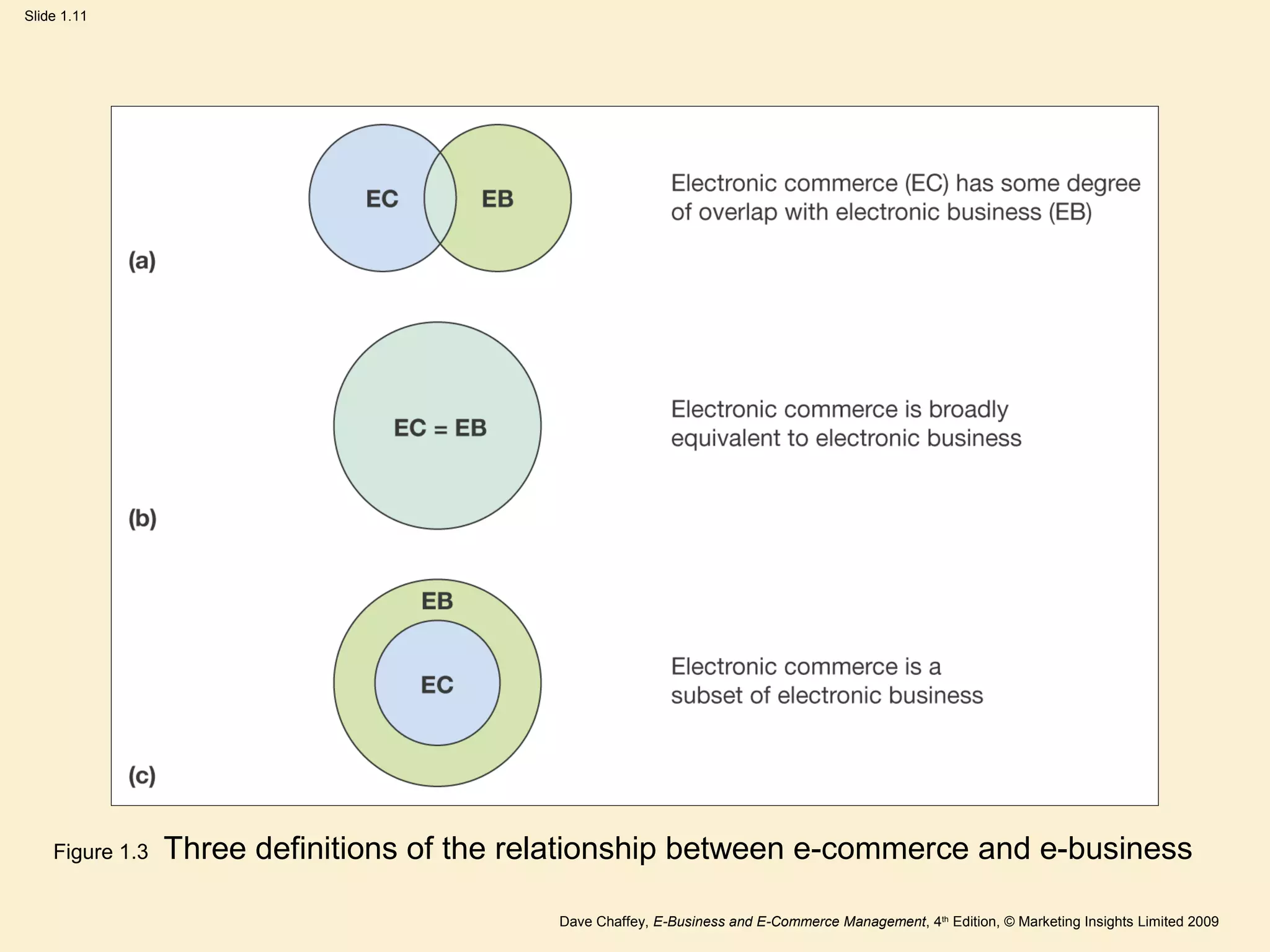
Figure 1.3 Three definitions of the relationship between e-commerce and e-business
Dave Chaffey, E-Business and E-Commerce Management, 4th
Edition, © Marketing Insights Limited 2009
Slide 1.12
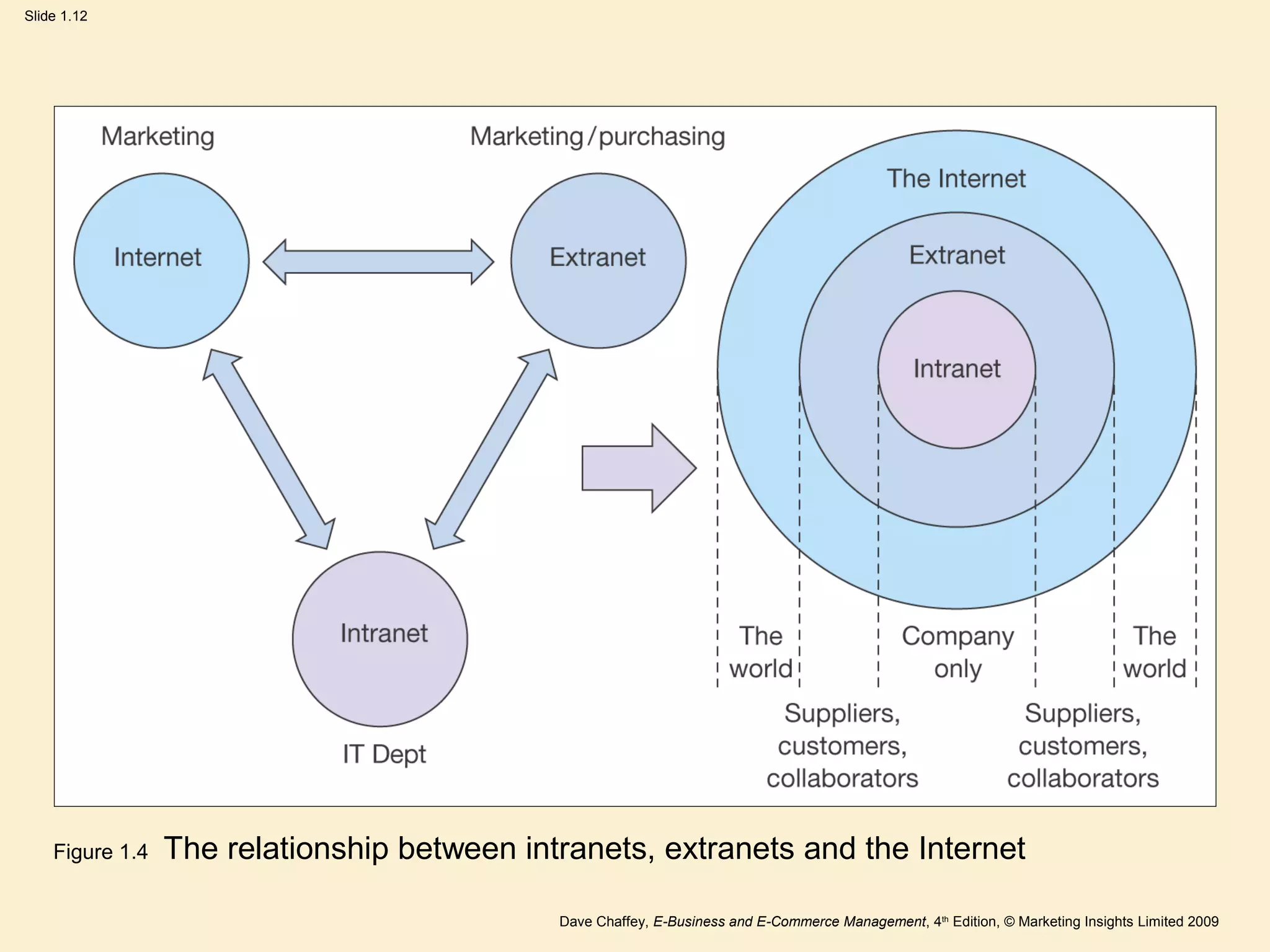
Figure 1.4 The relationship between intranets, extranets and the Internet
Dave Chaffey, E-Business and E-Commerce Management, 4th
Edition, © Marketing Insights Limited 2009
Slide 1.13
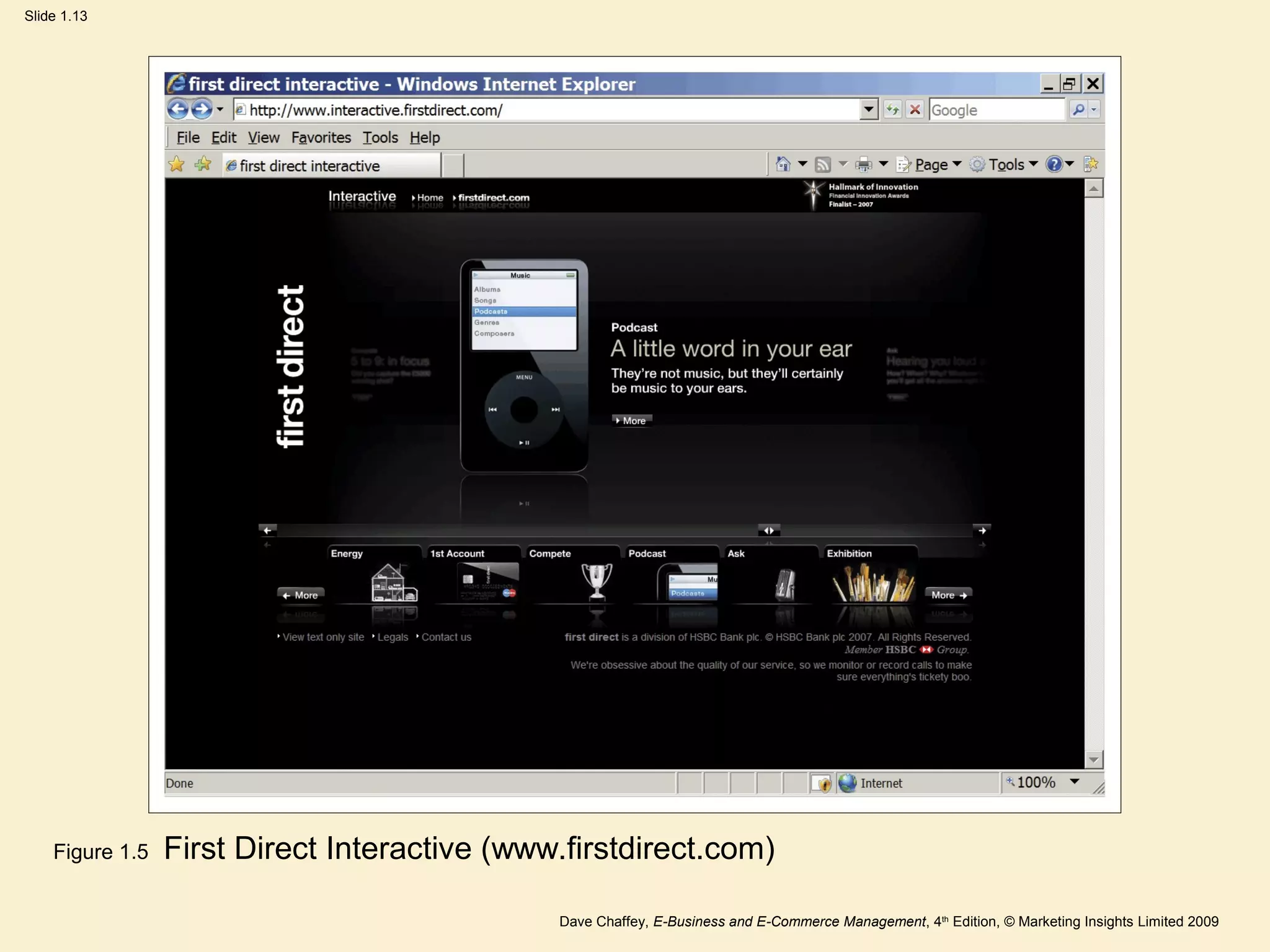
Figure 1.5 First Direct Interactive (www.firstdirect.com)
Dave Chaffey, E-Business and E-Commerce Management, 4th
Edition, © Marketing Insights Limited 2009
Slide 1.14
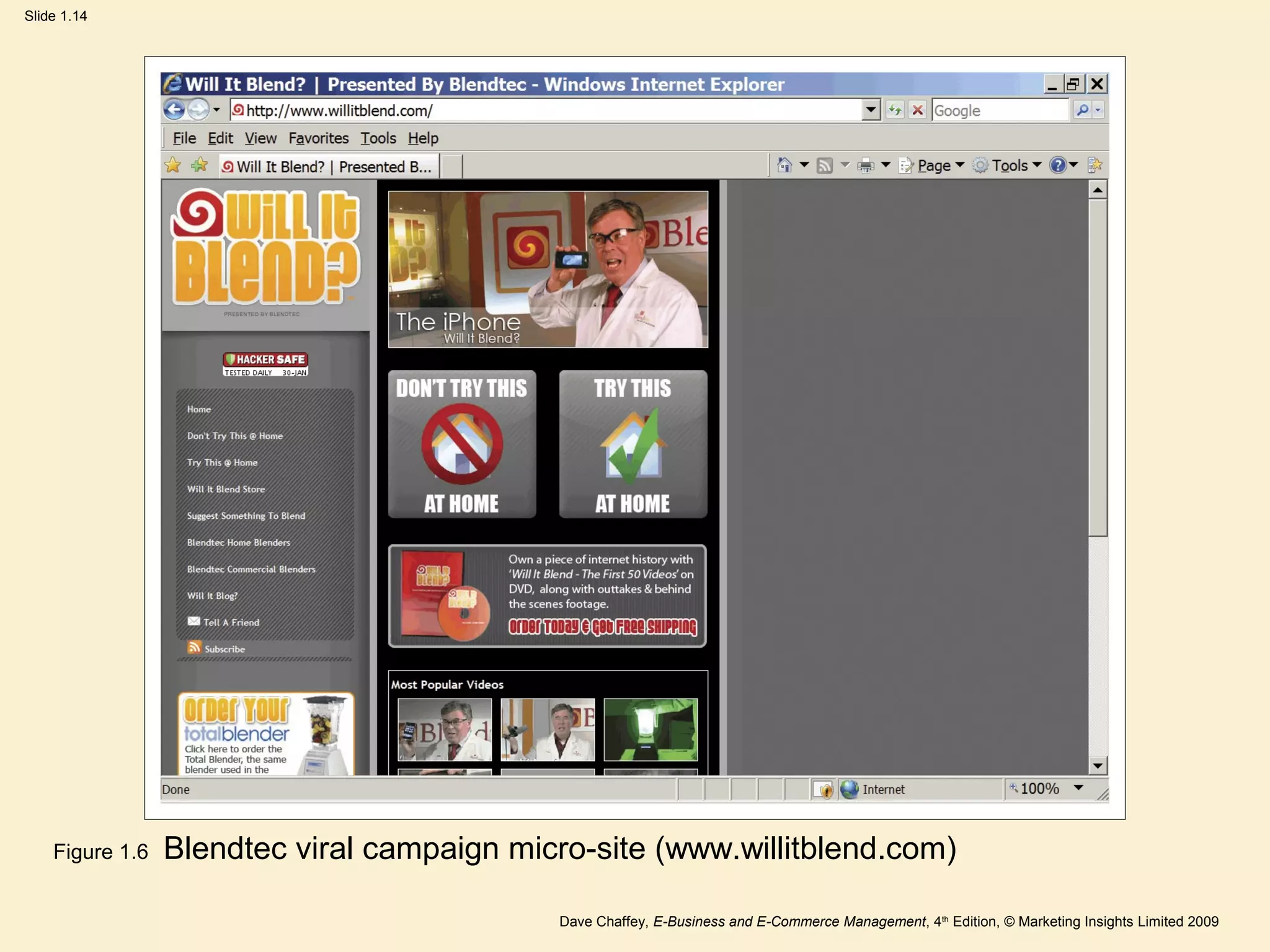
Figure 1.6 Blendtec viral campaign micro-site (www.willitblend.com)
Dave Chaffey, E-Business and E-Commerce Management, 4th
Edition, © Marketing Insights Limited 2009
Slide 1.15
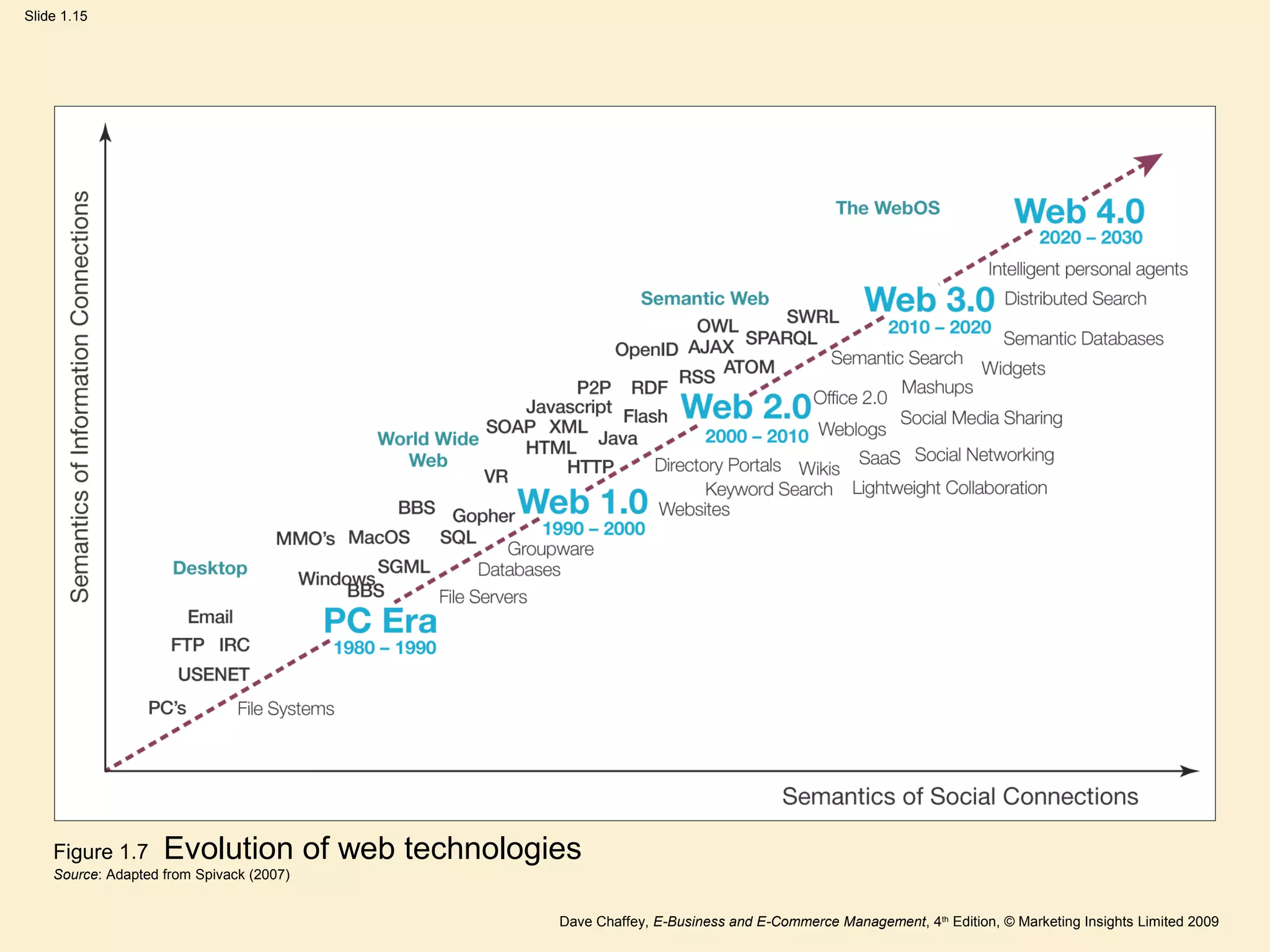
Figure 1.7 Evolution of web technologies
Source: Adapted from Spivack (2007)
Dave Chaffey, E-Business and E-Commerce Management, 4th
Edition, © Marketing Insights Limited 2009
Slide 1.16
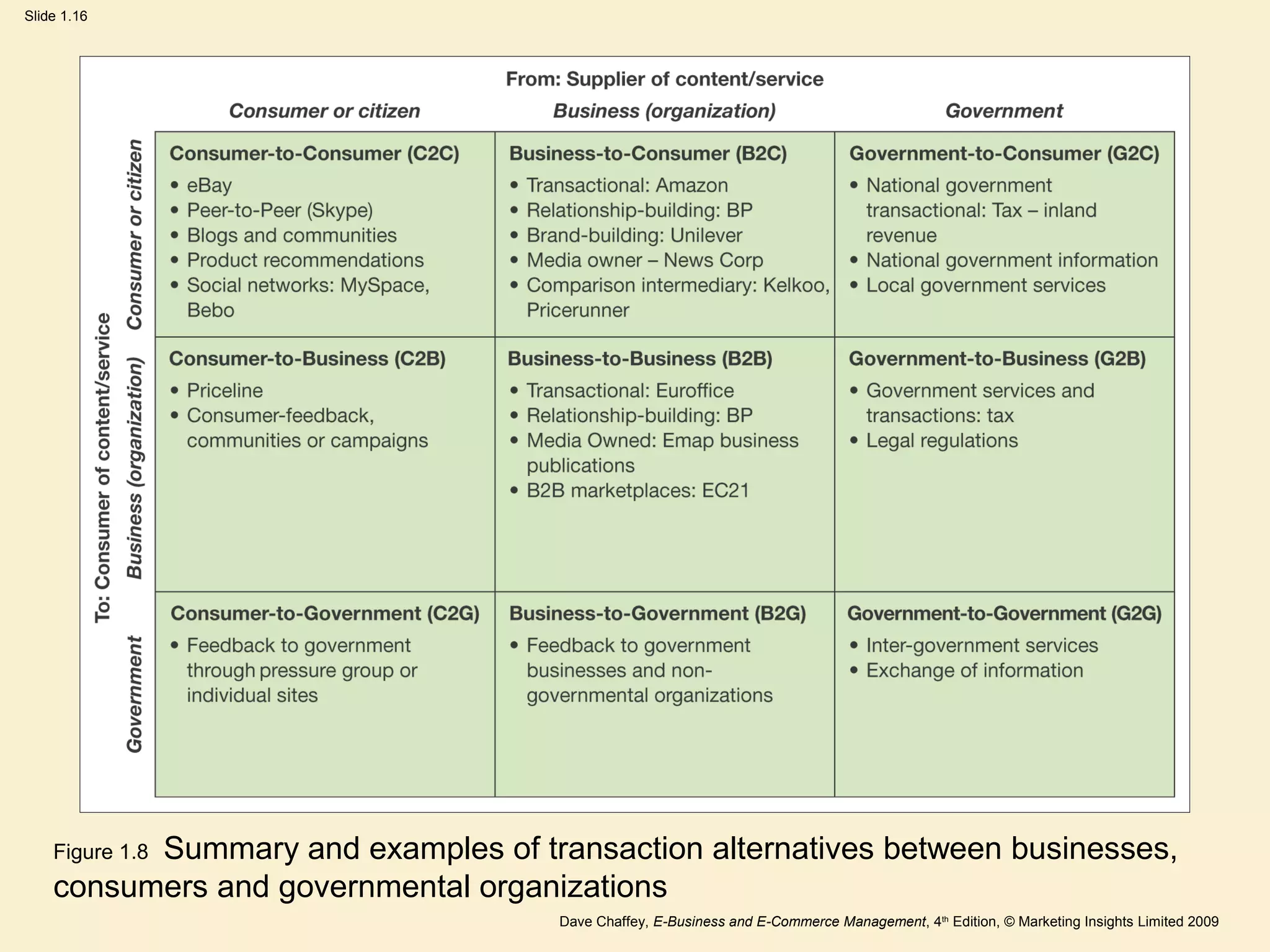
Figure 1.8 Summary and examples of transaction alternatives between businesses,
consumers and governmental organizations
Dave Chaffey, E-Business and E-Commerce Management, 4th
Edition, © Marketing Insights Limited 2009
Slide 1.17
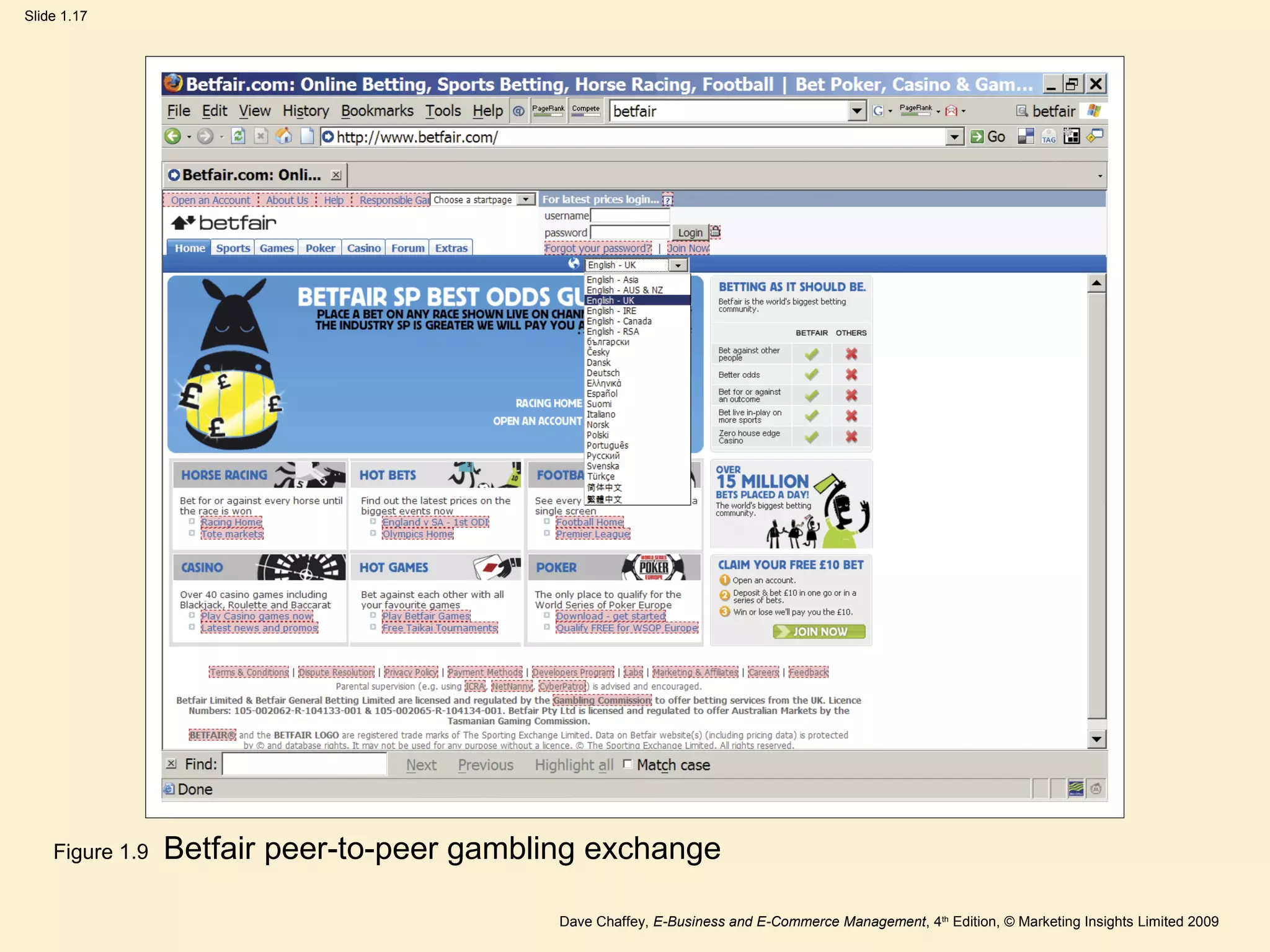
Figure 1.9 Betfair peer-to-peer gambling exchange
Dave Chaffey, E-Business and E-Commerce Management, 4th
Edition, © Marketing Insights Limited 2009
Slide 1.18
Additional activity – drivers and
barriers to adoption
• You are in a team of advisers at a local
business link (a local government agency
encouraging adoption of e-commerce)
• List
– Drivers to adoption of sell-side e-commerce by
business and how you can reinforce these by
marketing benefits
– Barriers to adoption of sell-side e-commerce
by business and how you can reinforce these
by stressing benefits
Dave Chaffey, E-Business and E-Commerce Management, 4th
Edition, © Marketing Insights Limited 2009
Slide 1.19
Cost/efficiency and competitiveness
drivers
• Cost/efficiency drivers
– Increasing speed with which supplies can be
obtained
– Increasing speed with which goods can be
dispatched
– Reduced sales and purchasing costs
– Reduced operating costs
• Competitiveness drivers
– Customer demand
– Improving the range and quality of services offered
– Avoid losing market share to businesses already
using e-commerce
Dave Chaffey, E-Business and E-Commerce Management, 4th
Edition, © Marketing Insights Limited 2009
Slide 1.20
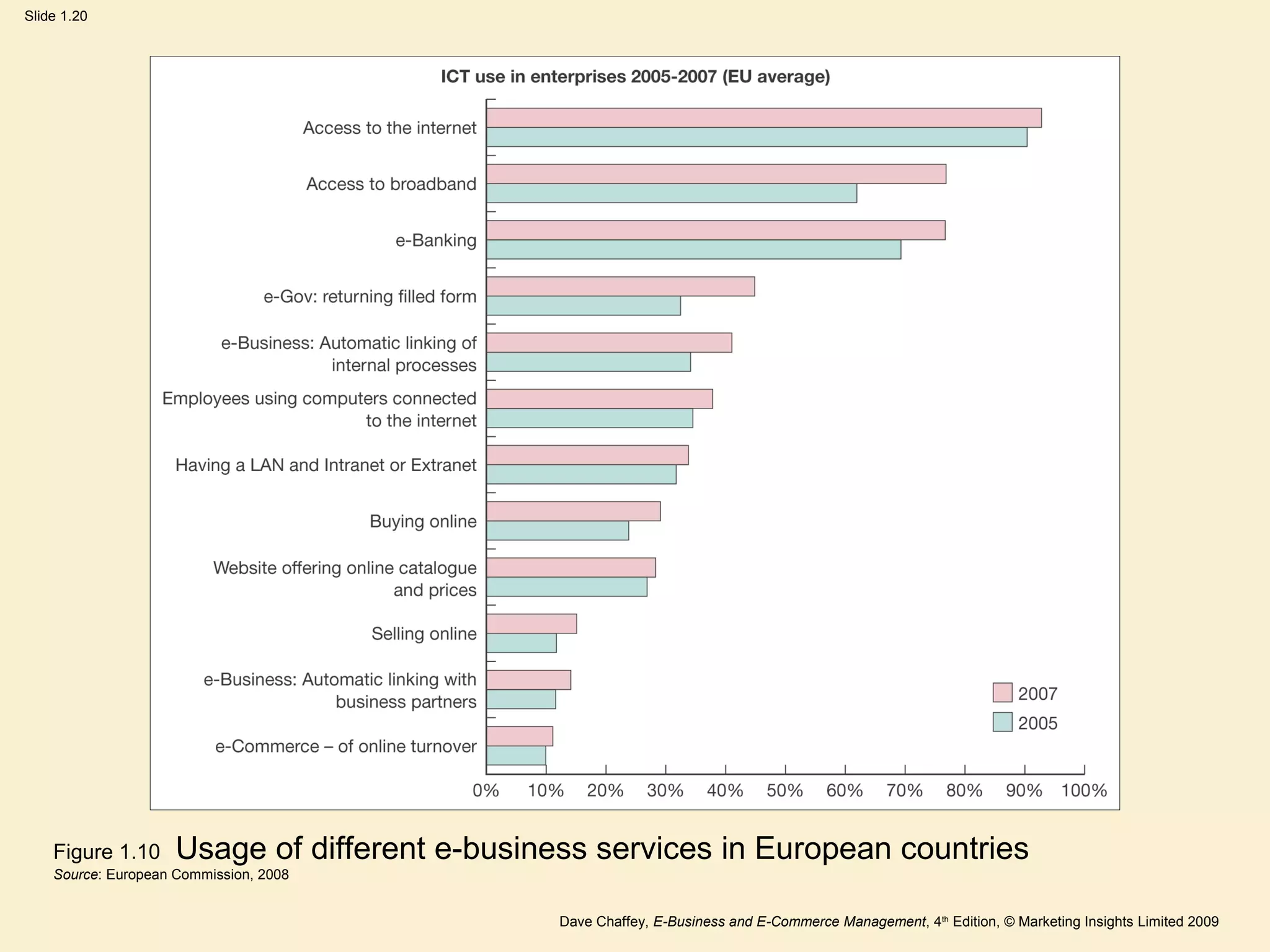
Figure 1.10 Usage of different e-business services in European countries
Source: European Commission, 2008
Dave Chaffey, E-Business and E-Commerce Management, 4th
Edition, © Marketing Insights Limited 2009
Slide 1.21
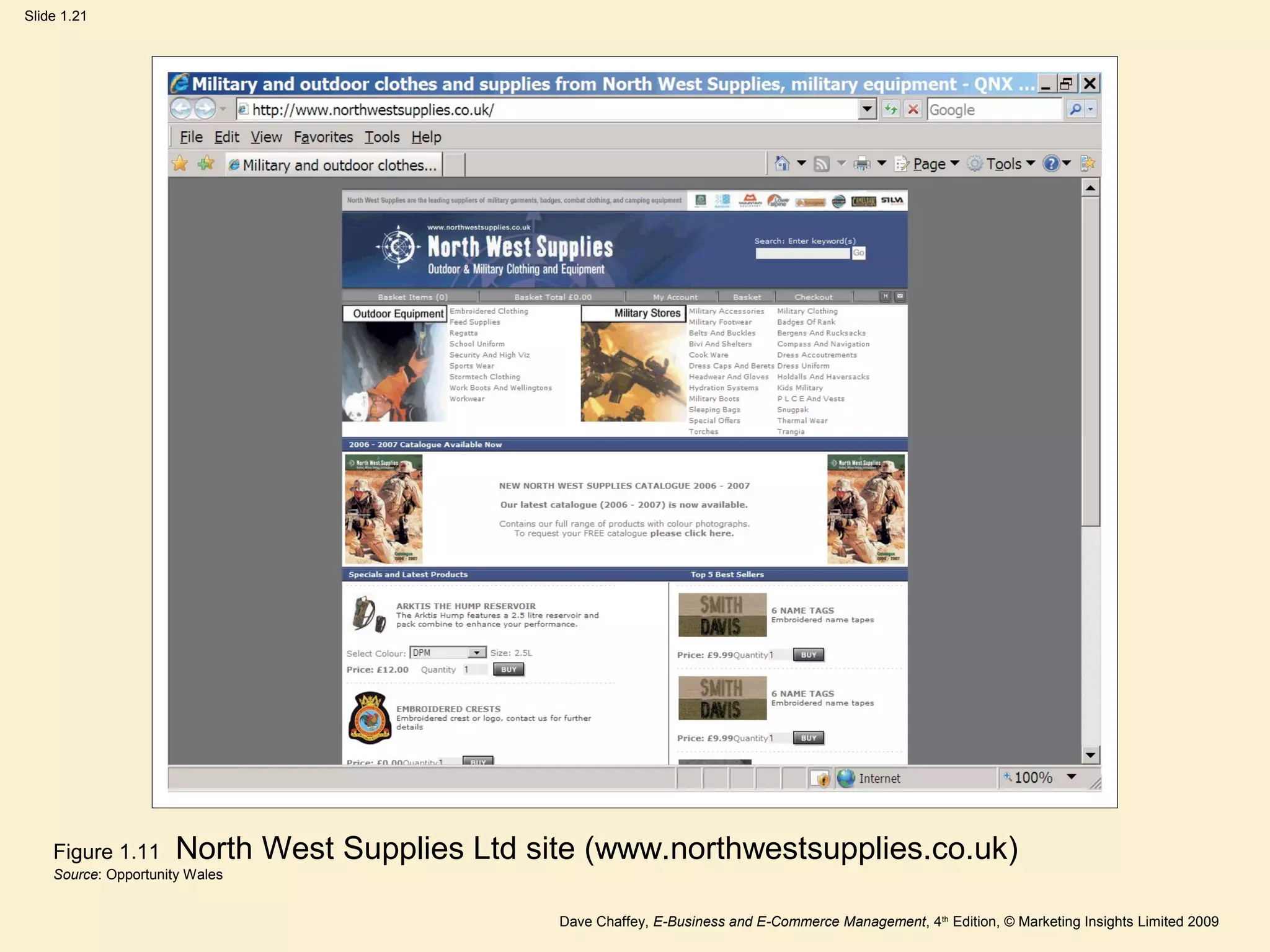
Figure 1.11 North West Supplies Ltd site (www.northwestsupplies.co.uk)
Source: Opportunity Wales
Dave Chaffey, E-Business and E-Commerce Management, 4th
Edition, © Marketing Insights Limited 2009
Slide 1.22
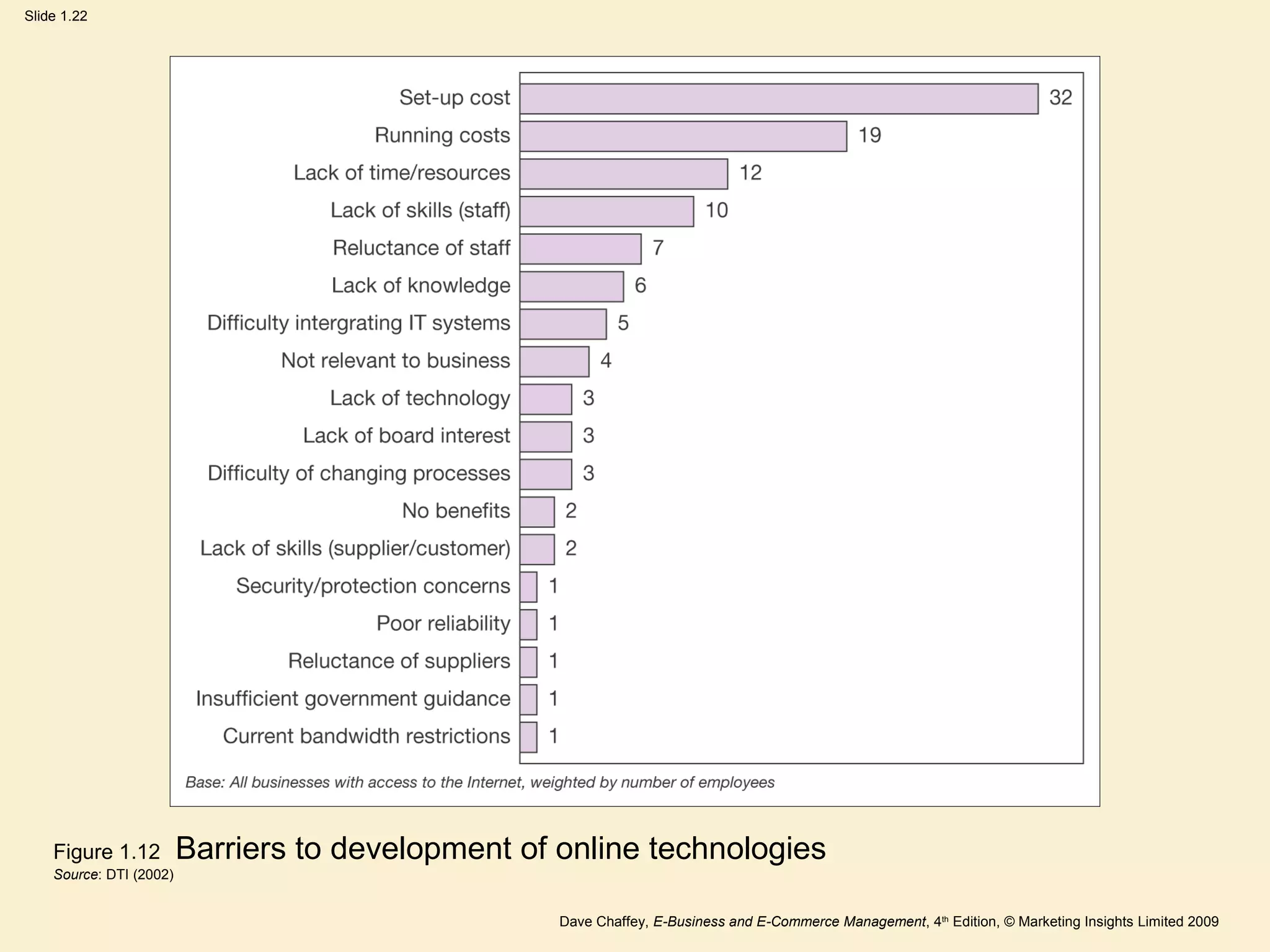
Figure 1.12 Barriers to development of online technologies
Source: DTI (2002)
Dave Chaffey, E-Business and E-Commerce Management, 4th
Edition, © Marketing Insights Limited 2009
Slide 1.23
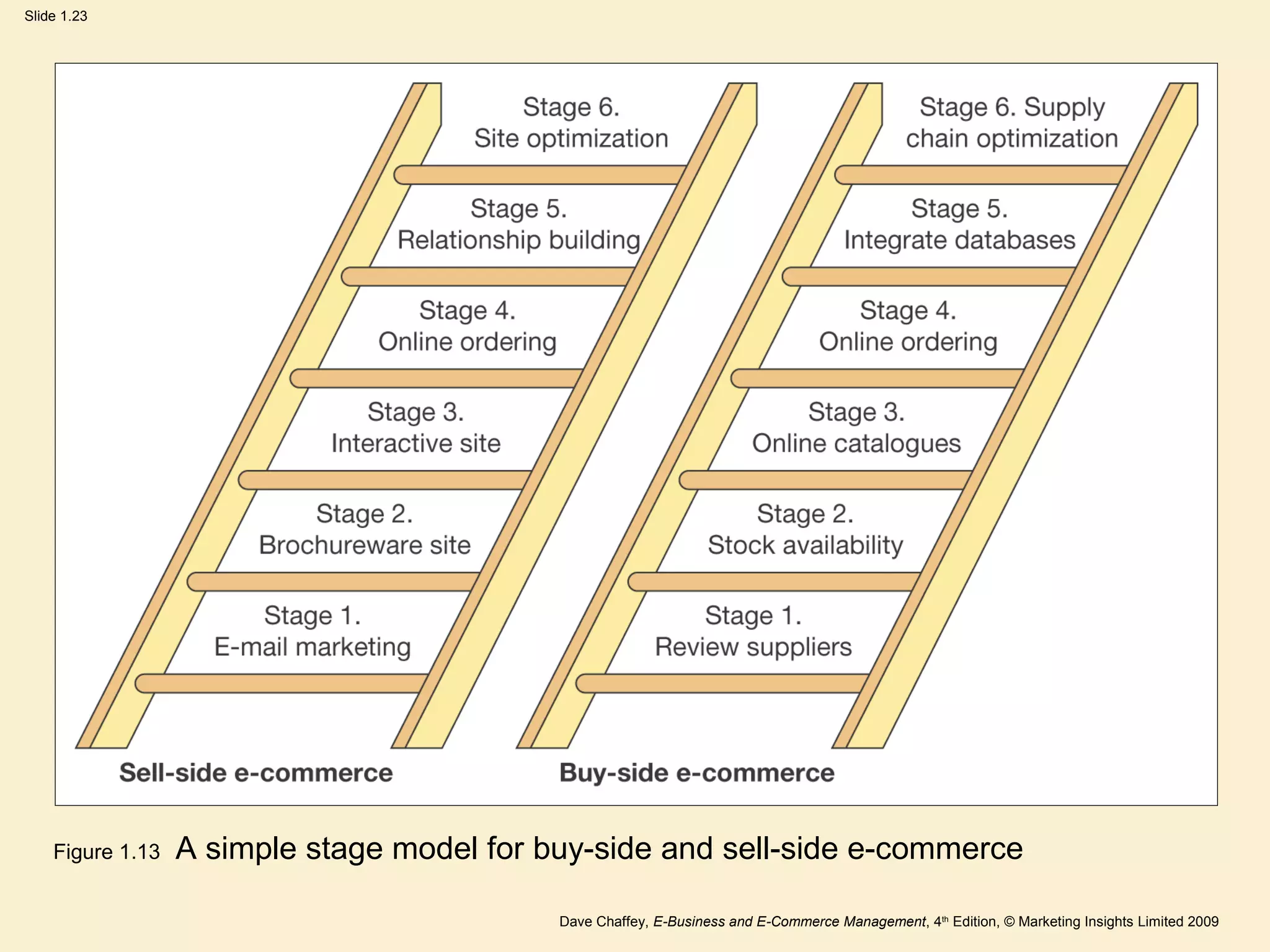
Figure 1.13 A simple stage model for buy-side and sell-side e-commerce
Dave Chaffey, E-Business and E-Commerce Management, 4th
Edition, © Marketing Insights Limited 2009
Slide 1.24
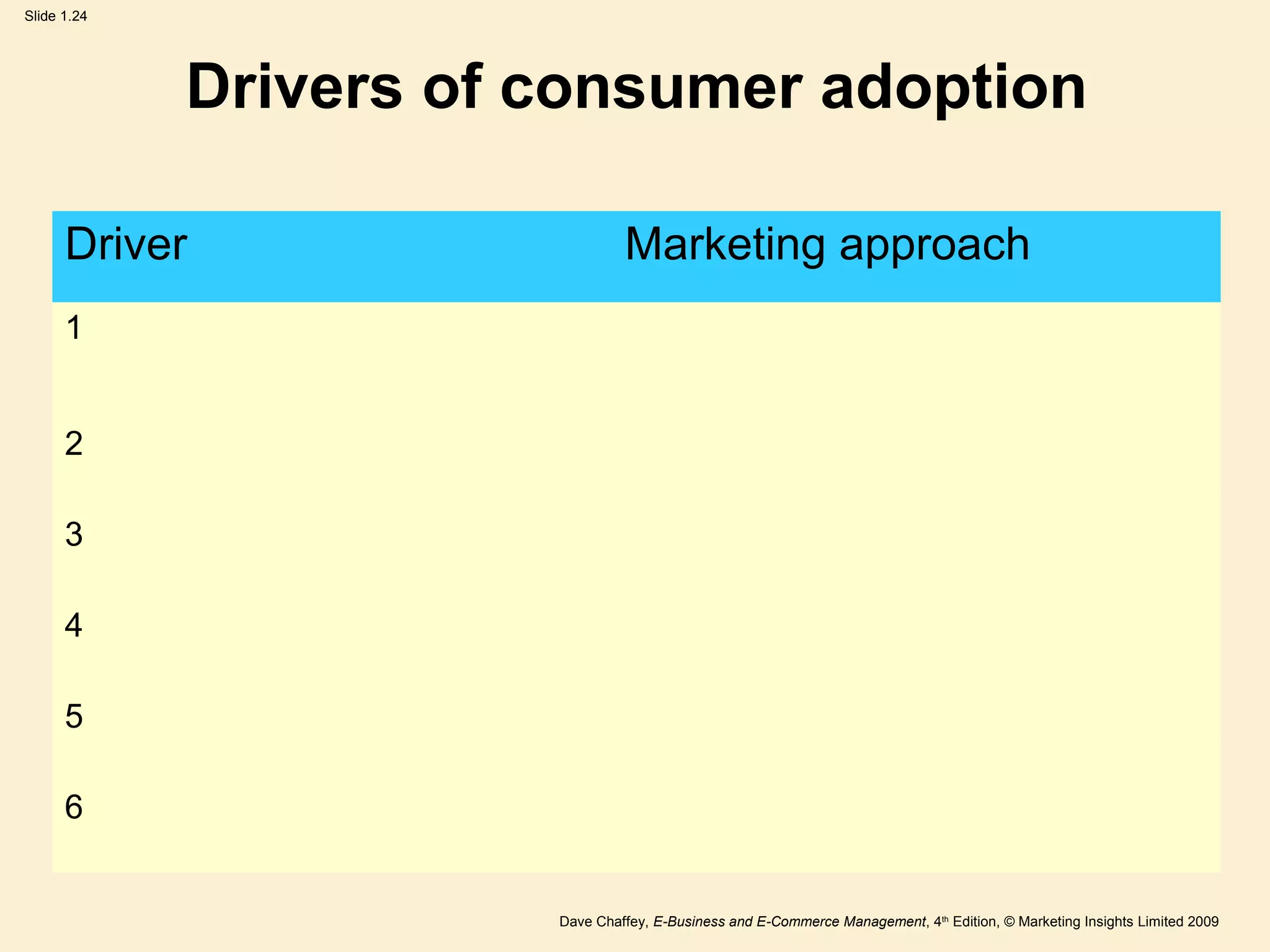
Drivers of consumer adoption
Driver Marketing approach
1
2
3
4
5
6
Dave Chaffey, E-Business and E-Commerce Management, 4th
Edition, © Marketing Insights Limited 2009
Slide 1.25
Barriers to consumer adoption
Barrier Marketing approach
1
2
3
4
5
6
Dave Chaffey, E-Business and E-Commerce Management, 4th
Edition, © Marketing Insights Limited 2009
Slide 1.26
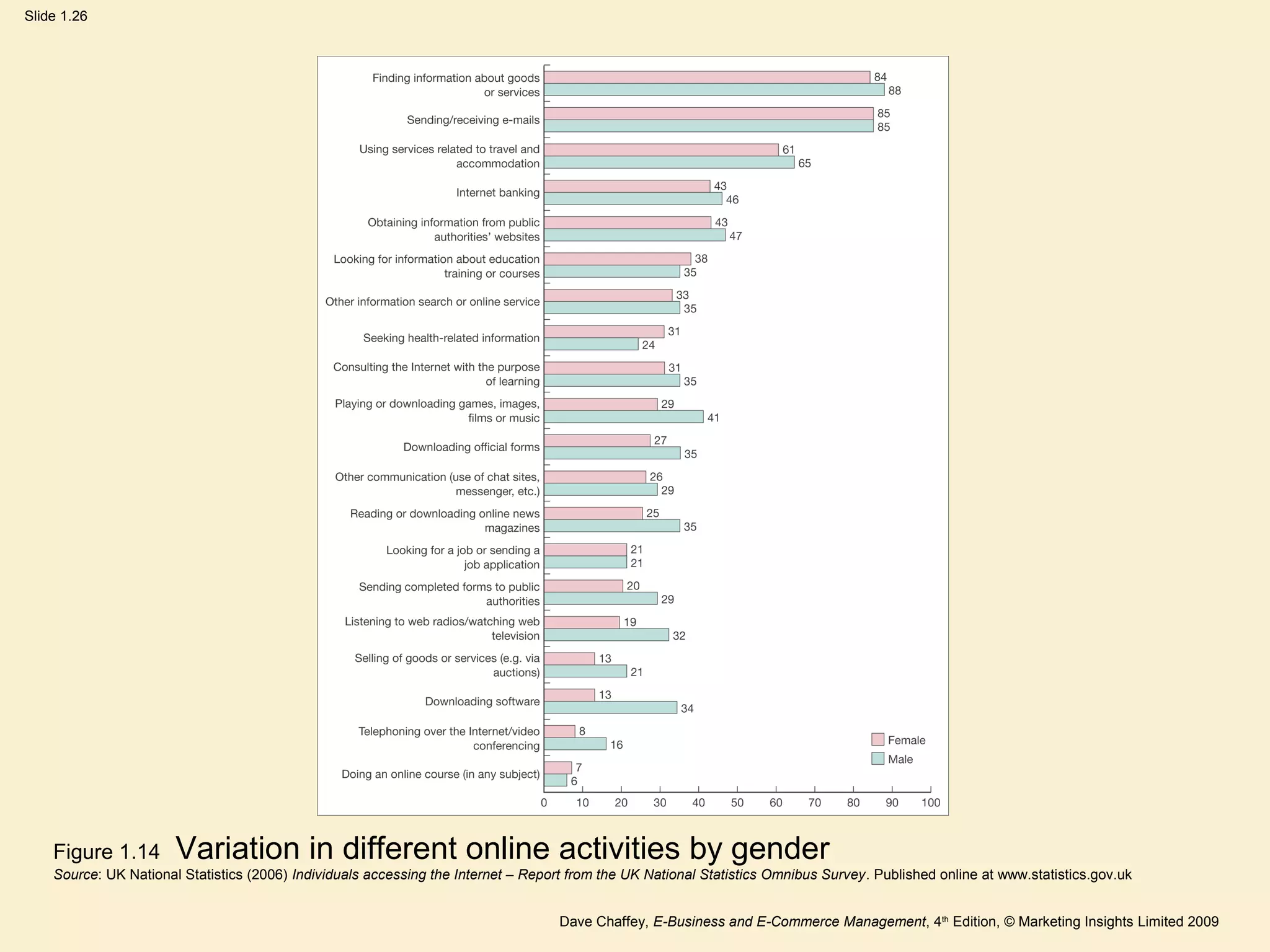
Figure 1.14 Variation in different online activities by gender
Source: UK National Statistics (2006) Individuals accessing the Internet – Report from the UK National Statistics Omnibus Survey. Published online at www.statistics.gov.uk

Introduction to e business & e-commerce

  • 1.
    Dave Chaffey, E-Businessand E-Commerce Management, 4th Edition, © Marketing Insights Limited 2009 Slide 1.1 Introduction to e-business and e-commerce
  • 2.
    Dave Chaffey, E-Businessand E-Commerce Management, 4th Edition, © Marketing Insights Limited 2009 Slide 1.2 Learning outcomes • Define the meaning and scope of e-business and e-commerce and their different elements • Summarize the main reasons for adoption of e-commerce and e-business and barriers that may restrict adoption • Outline the ongoing business challenges of managing e-business and e-commerce in an organization.
  • 3.
    Dave Chaffey, E-Businessand E-Commerce Management, 4th Edition, © Marketing Insights Limited 2009 Slide 1.3 Management issues • How do we explain the scope and implications of e-business and e-commerce to staff? • What is the full range of benefits of introducing e-business and what are the risks? • How do we evaluate our current e-business capabilities?
  • 4.
    Dave Chaffey, E-Businessand E-Commerce Management, 4th Edition, © Marketing Insights Limited 2009 Slide 1.4 Figure 1.1 Google circa 1998 Source: Wayback machine archive: http://web.archive.org/web/19981111183552/google.stanford.edu
  • 5.
    Dave Chaffey, E-Businessand E-Commerce Management, 4th Edition, © Marketing Insights Limited 2009 Slide 1.5 E-business innovation and opportunity • Since Google was launched in 1998 which e-business startups have transformed the way we work, live and play? • How has Google innovated in search and its business table? • See Table 1.1 for some of major innovators
  • 6.
    Dave Chaffey, E-Businessand E-Commerce Management, 4th Edition, © Marketing Insights Limited 2009 Slide 1.6 The impact of the Internet on business • Andy Grove, Chairman of Intel, one of the early adopters of e-commerce, has made a meteorological analogy with the Internet. He says: Is the Internet a typhoon force, a ten times force, or is it a bit of wind? Or is it a force that fundamentally alters our business? (Grove, 1996)
  • 7.
    Dave Chaffey, E-Businessand E-Commerce Management, 4th Edition, © Marketing Insights Limited 2009 Slide 1.7 E-business opportunities • Reach – Over 1 billion users globally – Connect to millions of products • Richness – Detailed product information on 20 billion + pages indexed by Google. Blogs, videos, feeds… – Personalized messages for users • Affiliation – Partnerships are key in the networked economy
  • 8.
    Dave Chaffey, E-Businessand E-Commerce Management, 4th Edition, © Marketing Insights Limited 2009 Slide 1.8 Internet risks – what can go wrong with a transactional site? • • • • • •
  • 9.
    Dave Chaffey, E-Businessand E-Commerce Management, 4th Edition, © Marketing Insights Limited 2009 Slide 1.9 What is e-commerce and e-business? • You are attending a role in the e-business team of a global bank • You anticipate you may be asked the distinction between e-commerce and e-business. • Write down a definition for each • E-commerce: – • E-business: –
  • 10.
    Dave Chaffey, E-Businessand E-Commerce Management, 4th Edition, © Marketing Insights Limited 2009 Slide 1.10 Figure 1.2 The distinction between buy-side and sell-side e-commerce
  • 11.
    Dave Chaffey, E-Businessand E-Commerce Management, 4th Edition, © Marketing Insights Limited 2009 Slide 1.11 Figure 1.3 Three definitions of the relationship between e-commerce and e-business
  • 12.
    Dave Chaffey, E-Businessand E-Commerce Management, 4th Edition, © Marketing Insights Limited 2009 Slide 1.12 Figure 1.4 The relationship between intranets, extranets and the Internet
  • 13.
    Dave Chaffey, E-Businessand E-Commerce Management, 4th Edition, © Marketing Insights Limited 2009 Slide 1.13 Figure 1.5 First Direct Interactive (www.firstdirect.com)
  • 14.
    Dave Chaffey, E-Businessand E-Commerce Management, 4th Edition, © Marketing Insights Limited 2009 Slide 1.14 Figure 1.6 Blendtec viral campaign micro-site (www.willitblend.com)
  • 15.
    Dave Chaffey, E-Businessand E-Commerce Management, 4th Edition, © Marketing Insights Limited 2009 Slide 1.15 Figure 1.7 Evolution of web technologies Source: Adapted from Spivack (2007)
  • 16.
    Dave Chaffey, E-Businessand E-Commerce Management, 4th Edition, © Marketing Insights Limited 2009 Slide 1.16 Figure 1.8 Summary and examples of transaction alternatives between businesses, consumers and governmental organizations
  • 17.
    Dave Chaffey, E-Businessand E-Commerce Management, 4th Edition, © Marketing Insights Limited 2009 Slide 1.17 Figure 1.9 Betfair peer-to-peer gambling exchange
  • 18.
    Dave Chaffey, E-Businessand E-Commerce Management, 4th Edition, © Marketing Insights Limited 2009 Slide 1.18 Additional activity – drivers and barriers to adoption • You are in a team of advisers at a local business link (a local government agency encouraging adoption of e-commerce) • List – Drivers to adoption of sell-side e-commerce by business and how you can reinforce these by marketing benefits – Barriers to adoption of sell-side e-commerce by business and how you can reinforce these by stressing benefits
  • 19.
    Dave Chaffey, E-Businessand E-Commerce Management, 4th Edition, © Marketing Insights Limited 2009 Slide 1.19 Cost/efficiency and competitiveness drivers • Cost/efficiency drivers – Increasing speed with which supplies can be obtained – Increasing speed with which goods can be dispatched – Reduced sales and purchasing costs – Reduced operating costs • Competitiveness drivers – Customer demand – Improving the range and quality of services offered – Avoid losing market share to businesses already using e-commerce
  • 20.
    Dave Chaffey, E-Businessand E-Commerce Management, 4th Edition, © Marketing Insights Limited 2009 Slide 1.20 Figure 1.10 Usage of different e-business services in European countries Source: European Commission, 2008
  • 21.
    Dave Chaffey, E-Businessand E-Commerce Management, 4th Edition, © Marketing Insights Limited 2009 Slide 1.21 Figure 1.11 North West Supplies Ltd site (www.northwestsupplies.co.uk) Source: Opportunity Wales
  • 22.
    Dave Chaffey, E-Businessand E-Commerce Management, 4th Edition, © Marketing Insights Limited 2009 Slide 1.22 Figure 1.12 Barriers to development of online technologies Source: DTI (2002)
  • 23.
    Dave Chaffey, E-Businessand E-Commerce Management, 4th Edition, © Marketing Insights Limited 2009 Slide 1.23 Figure 1.13 A simple stage model for buy-side and sell-side e-commerce
  • 24.
    Dave Chaffey, E-Businessand E-Commerce Management, 4th Edition, © Marketing Insights Limited 2009 Slide 1.24 Drivers of consumer adoption Driver Marketing approach 1 2 3 4 5 6
  • 25.
    Dave Chaffey, E-Businessand E-Commerce Management, 4th Edition, © Marketing Insights Limited 2009 Slide 1.25 Barriers to consumer adoption Barrier Marketing approach 1 2 3 4 5 6
  • 26.
    Dave Chaffey, E-Businessand E-Commerce Management, 4th Edition, © Marketing Insights Limited 2009 Slide 1.26 Figure 1.14 Variation in different online activities by gender Source: UK National Statistics (2006) Individuals accessing the Internet – Report from the UK National Statistics Omnibus Survey. Published online at www.statistics.gov.uk

Editor's Notes

  • #9 This slide left deliberately blank for student Q&A interaction. Potential answers:   Site downtime affecting whole site or some processes Security attack, e.g. denial of service, content hijacked Wrong content presented for site visitor