FUN WITH WORDS
A TOOLKIT FOR DESIGNING
GREAT CONTENT, FIRST.
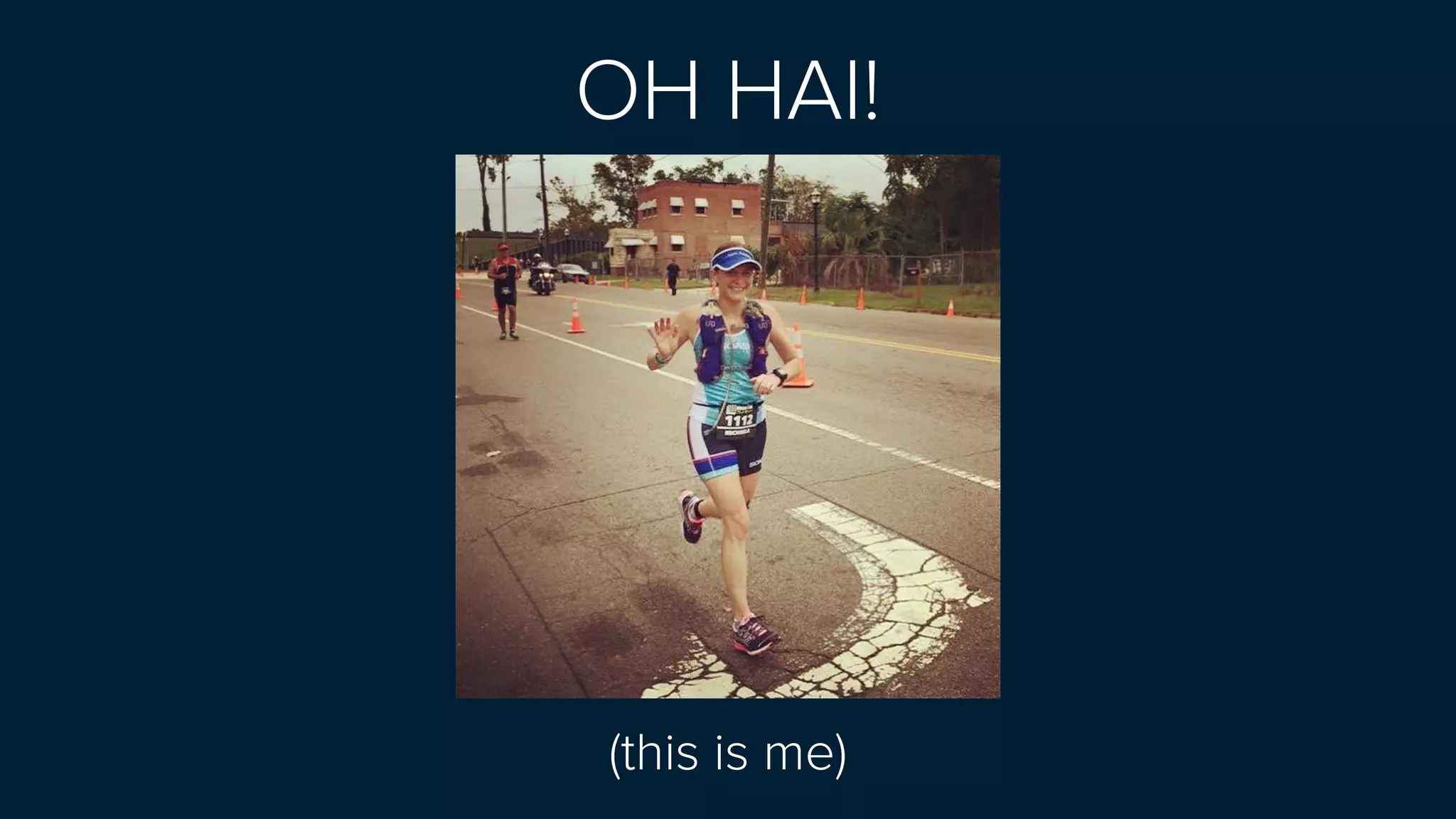
OH HAI!
(this is me)
CONTENT FIRST
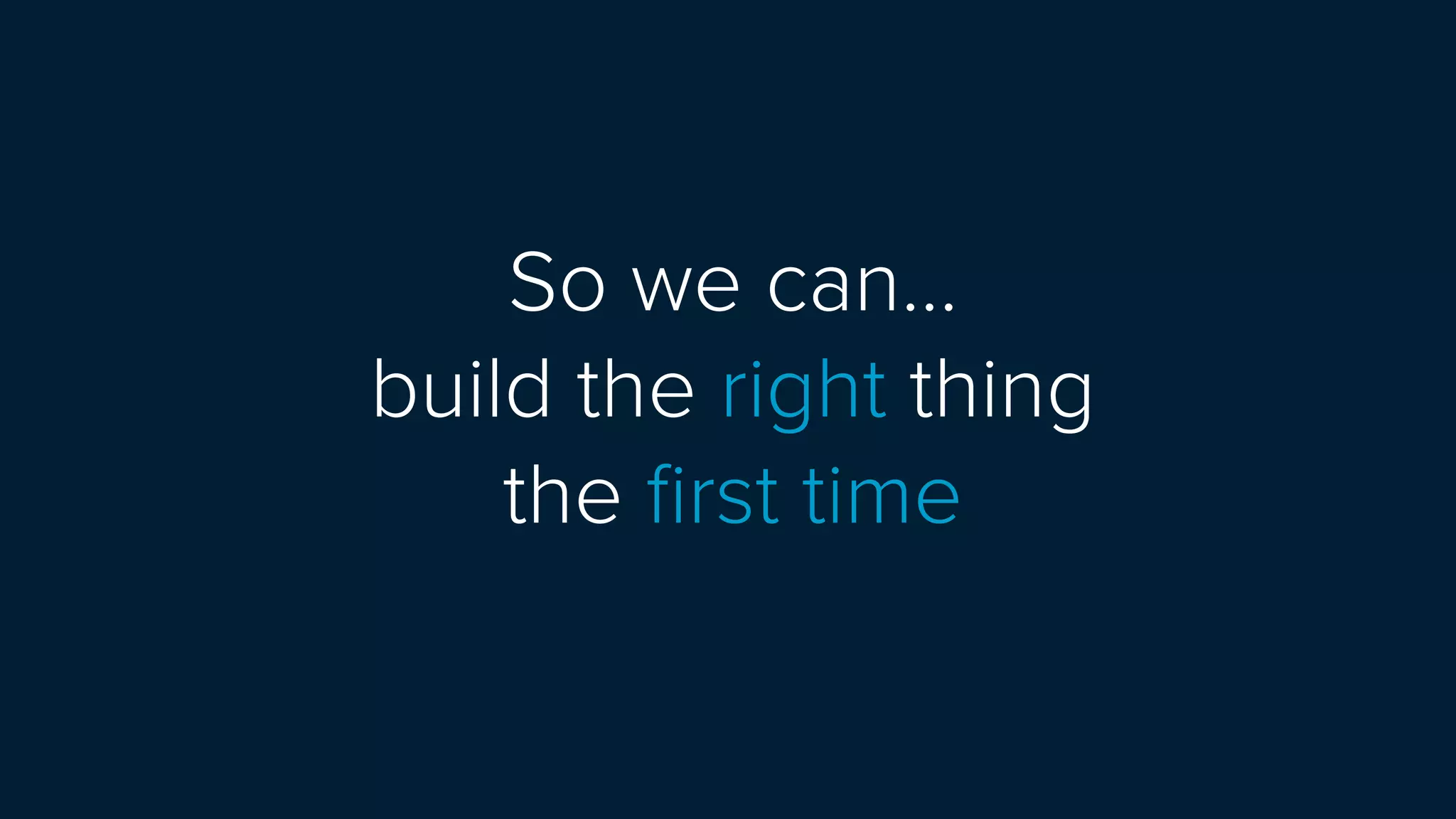
So we can…
build the right thing 

the first time
get to market quickly
(with a kickass 

digital experience)
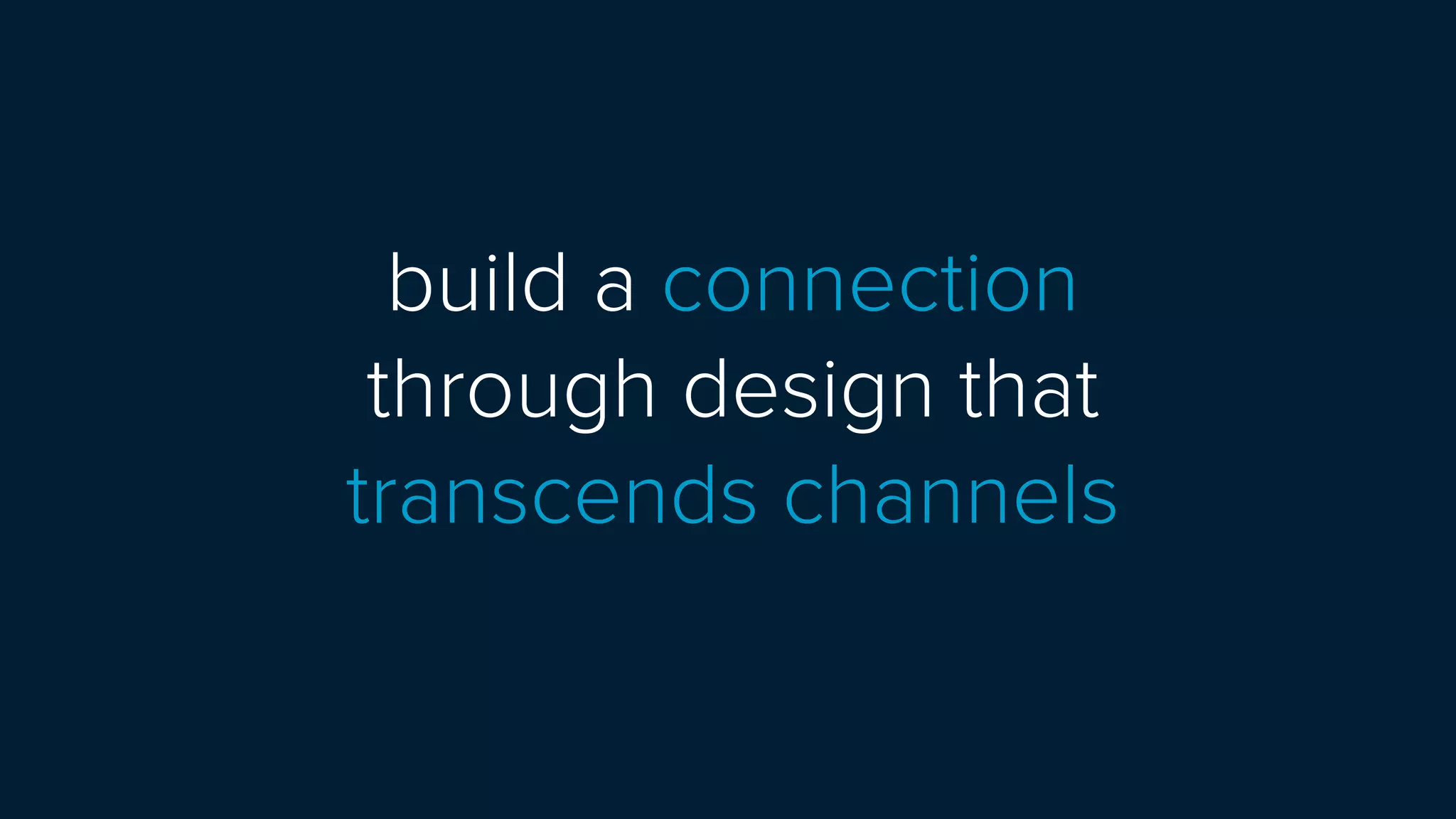
build a connection 

through design that 

transcends channels
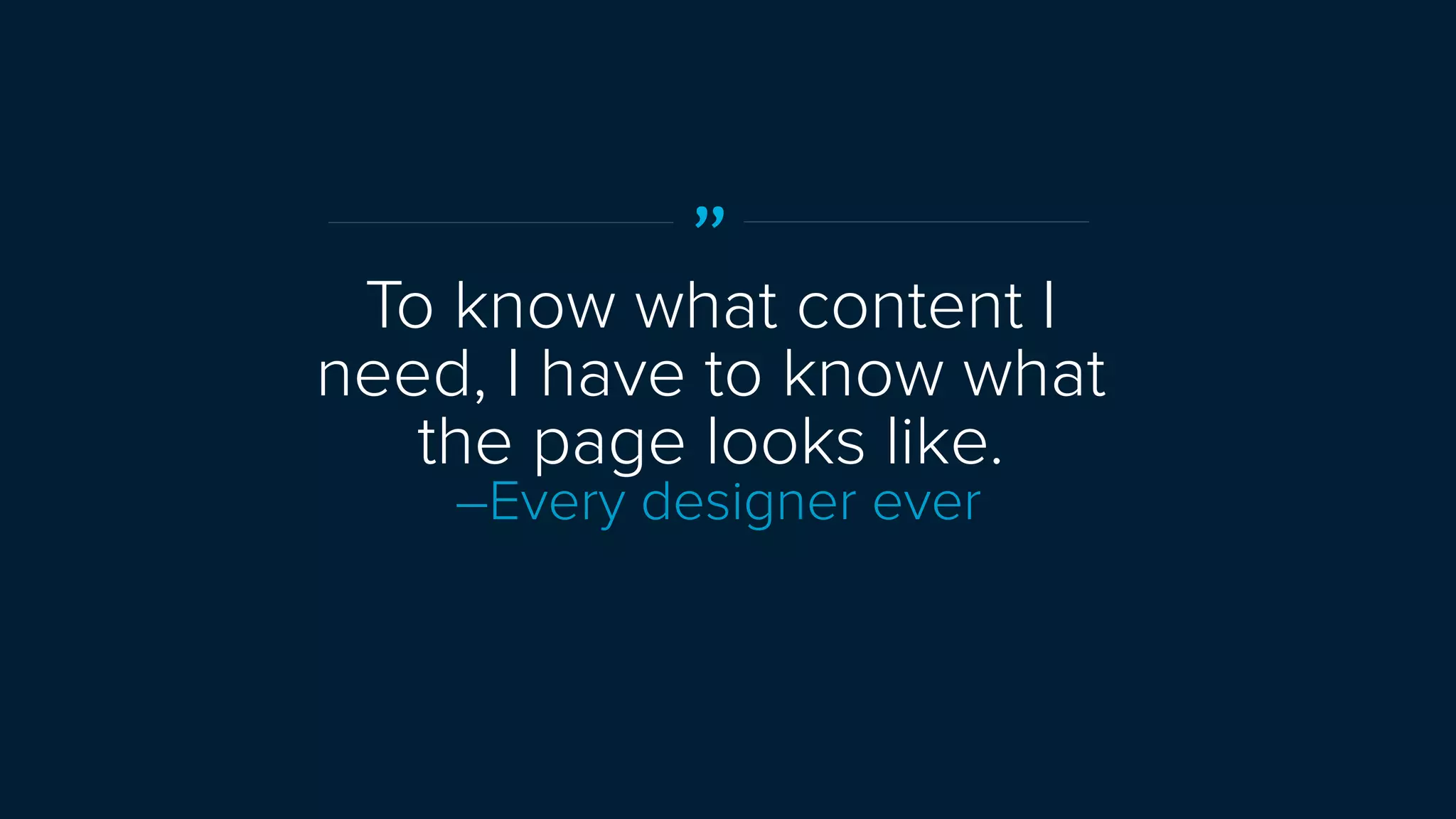
”
To know what content I
need, I have to know what
the page looks like.
–Every designer ever
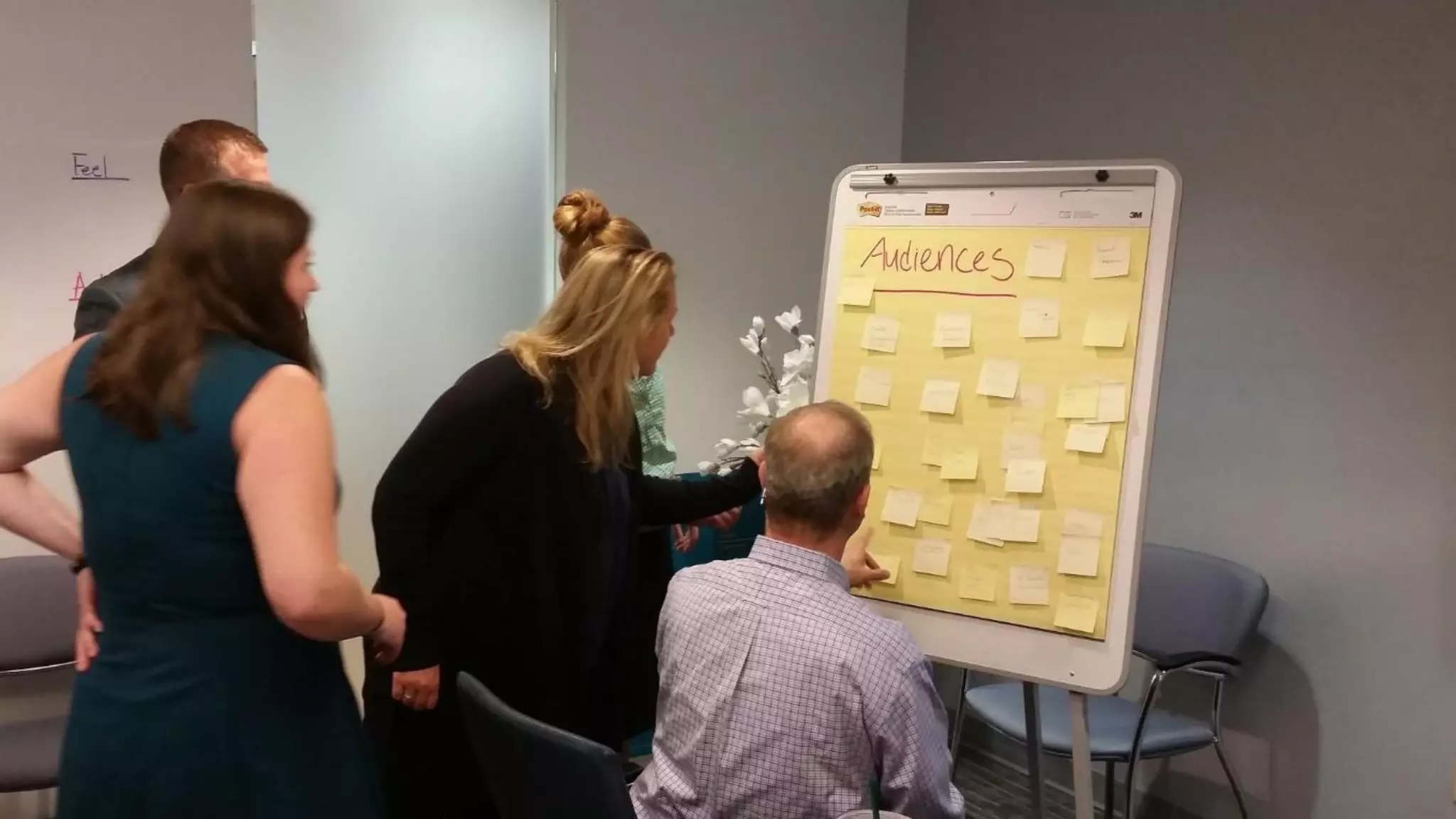
AUDIENCE DEFINITION
Who are you speaking to?

• Who are our audiences?
• Which are the highest priority?
• What kinds of information do they want and
how?
• What are their motivations?
DEFINE THE
EXPERIENCE
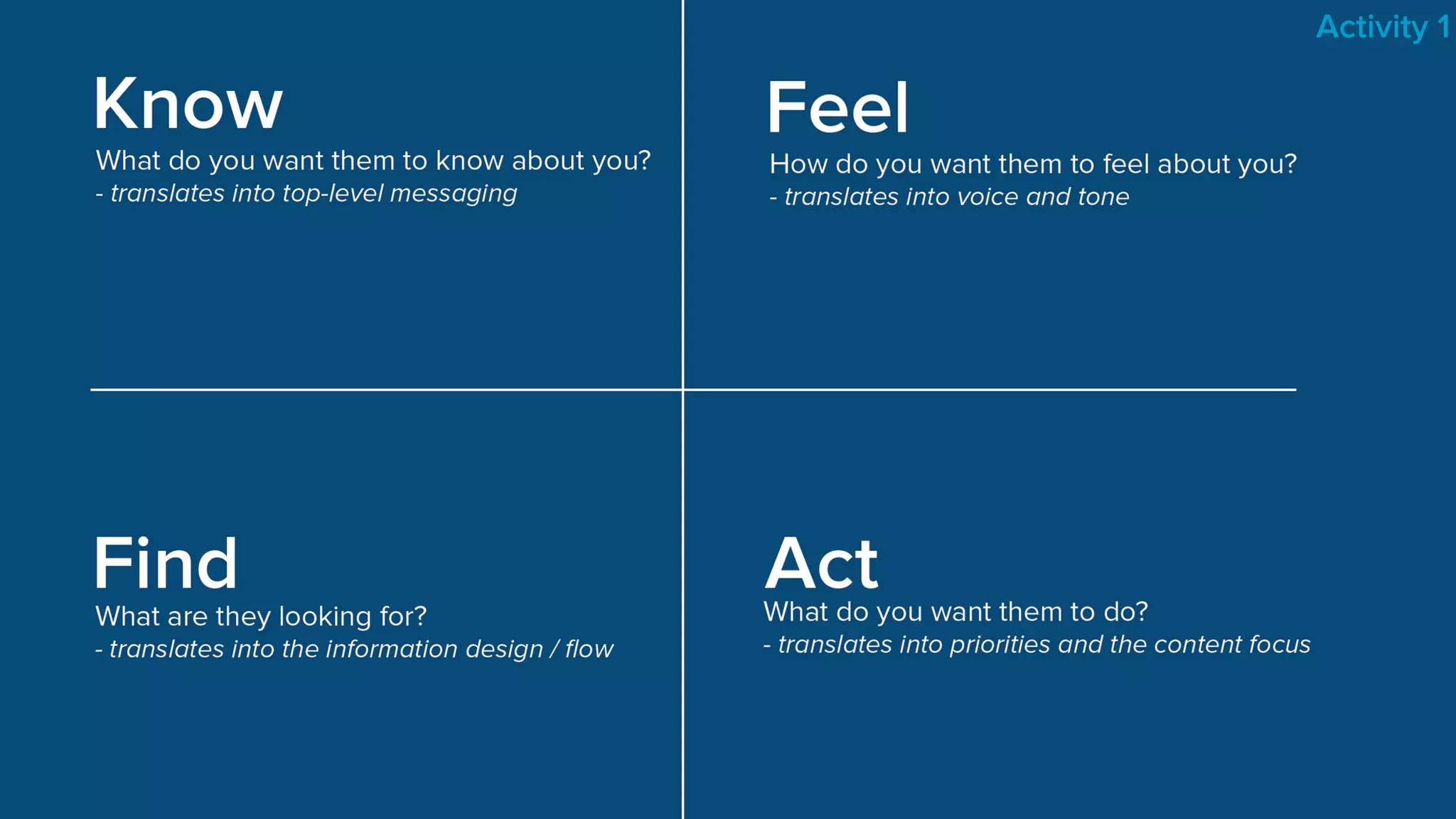
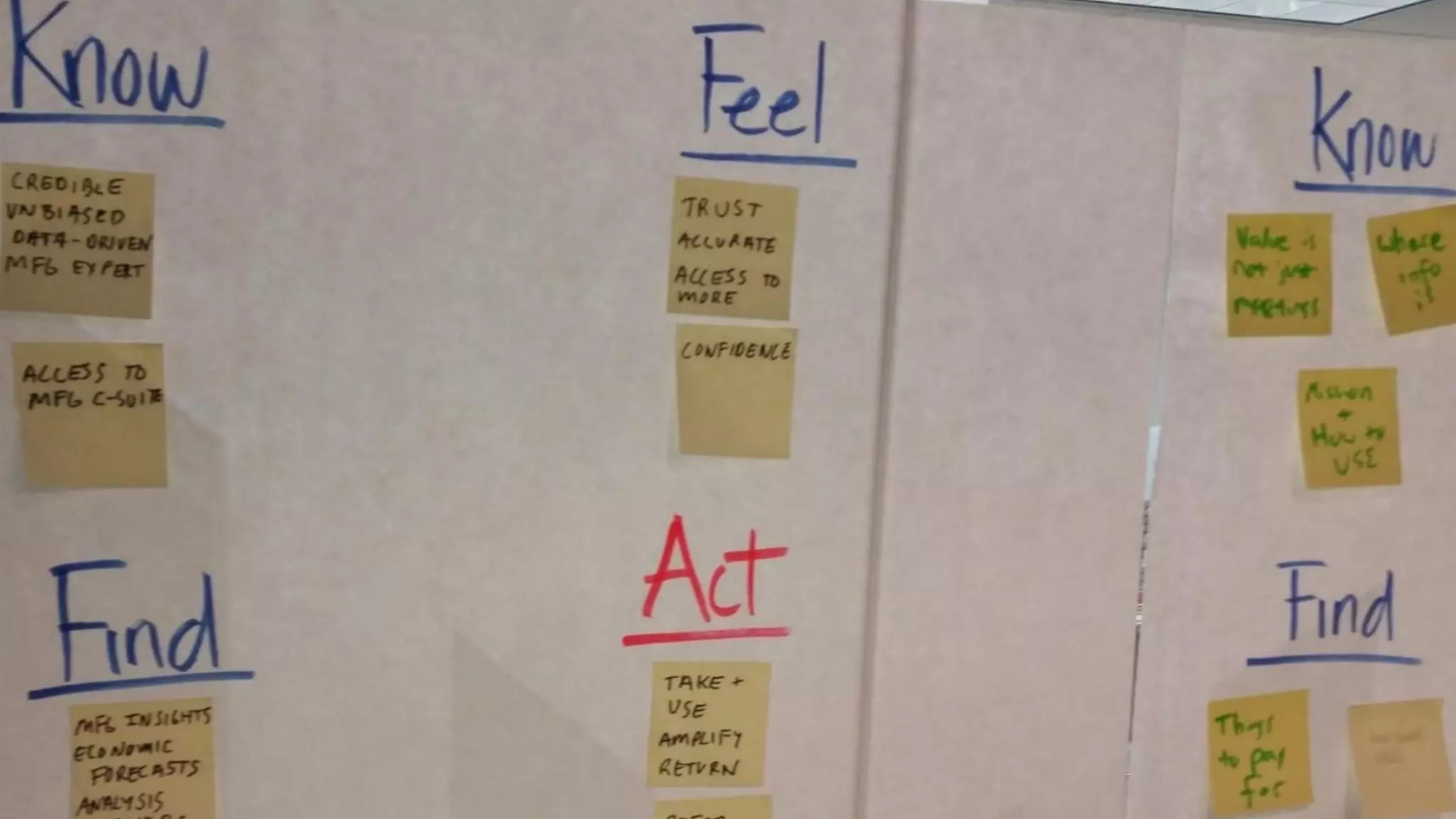
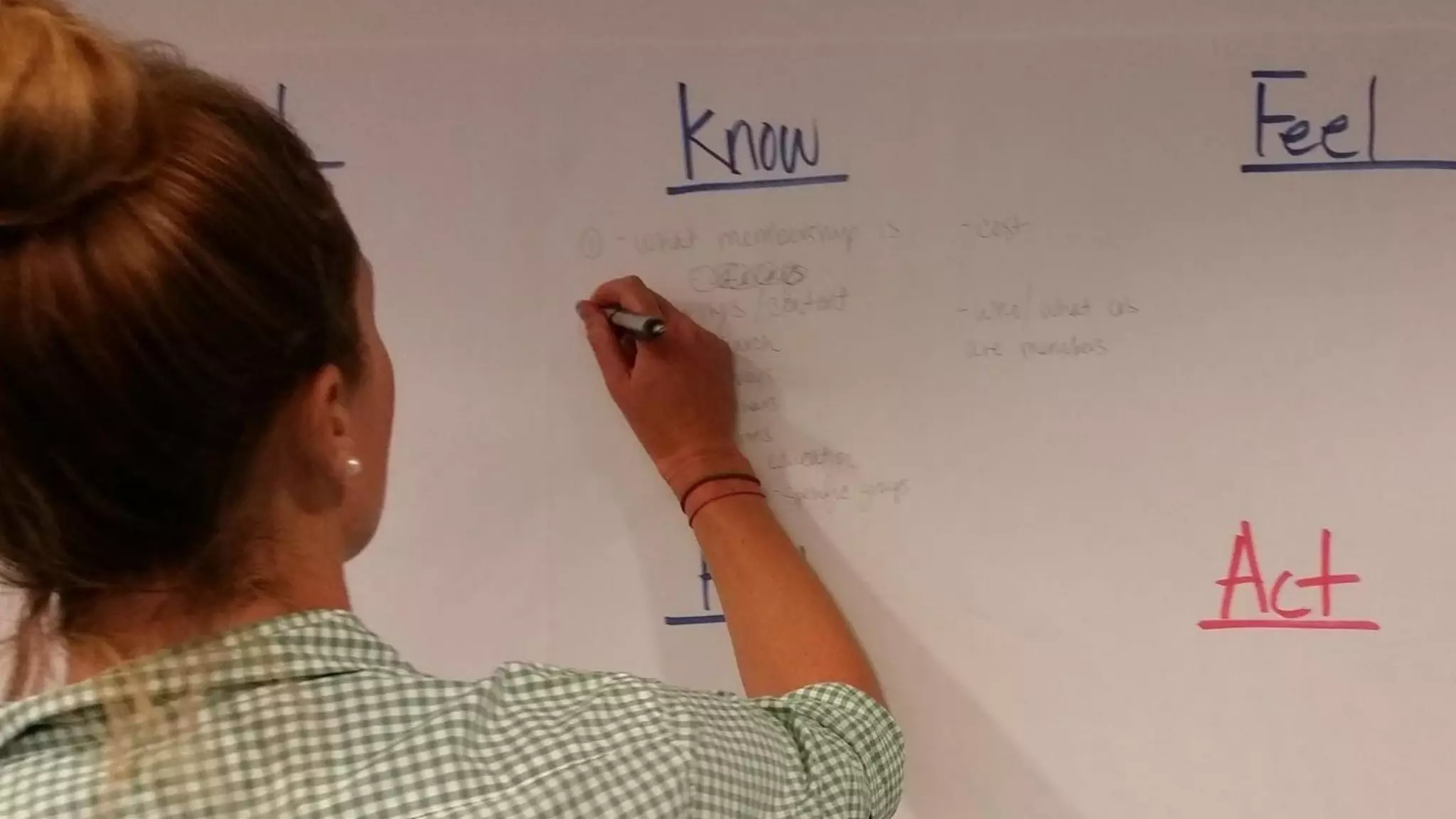
KNOW FEEL FIND ACT

What experience do we want to create?
• What do we want our audiences to know
about us?
• What do we want them to feel?
• What do we want them to find?
• What do we want them to do?
Methodology derived from John Schneider
Activity 1
Activity 1
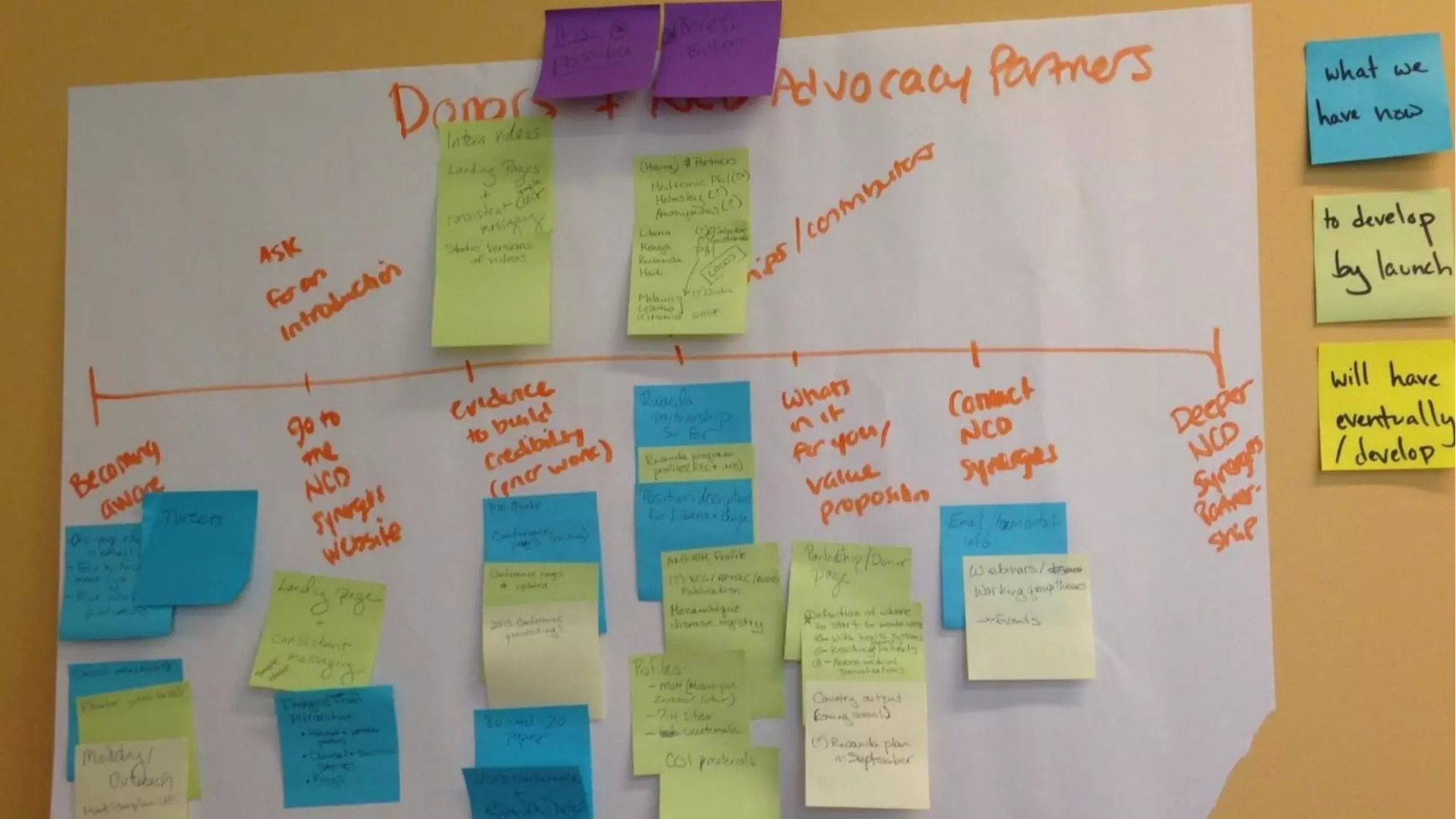
JOURNEY MAPPING

What is the journey we want our visitors to take?
Explore the “journeys” key audiences take as the become more
deeply engaged in your organization. Mapping out this
experience helps us:
• Achieve a shared understanding of user needs and goals and
how they relate to the content.
• Identify what content is strong, where the gaps are, and
derive an approach to strengthen conversions.
Methodology derived from Donna LiChaw and Lis Hubert
Activity 2
CRAFT THE
MESSAGE
IDENTITY PILLARS

What do we want to say and how do we want to say it?
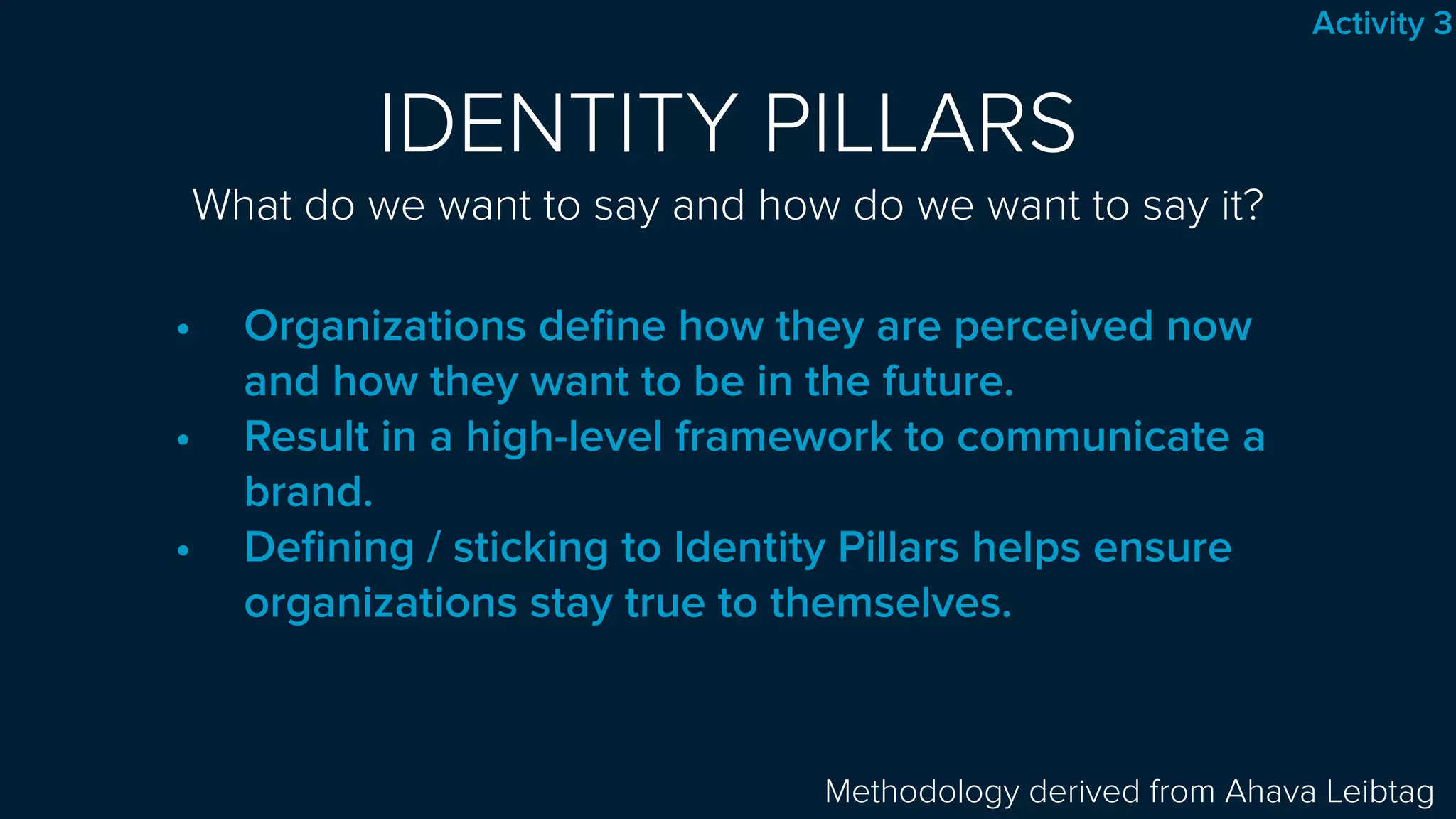
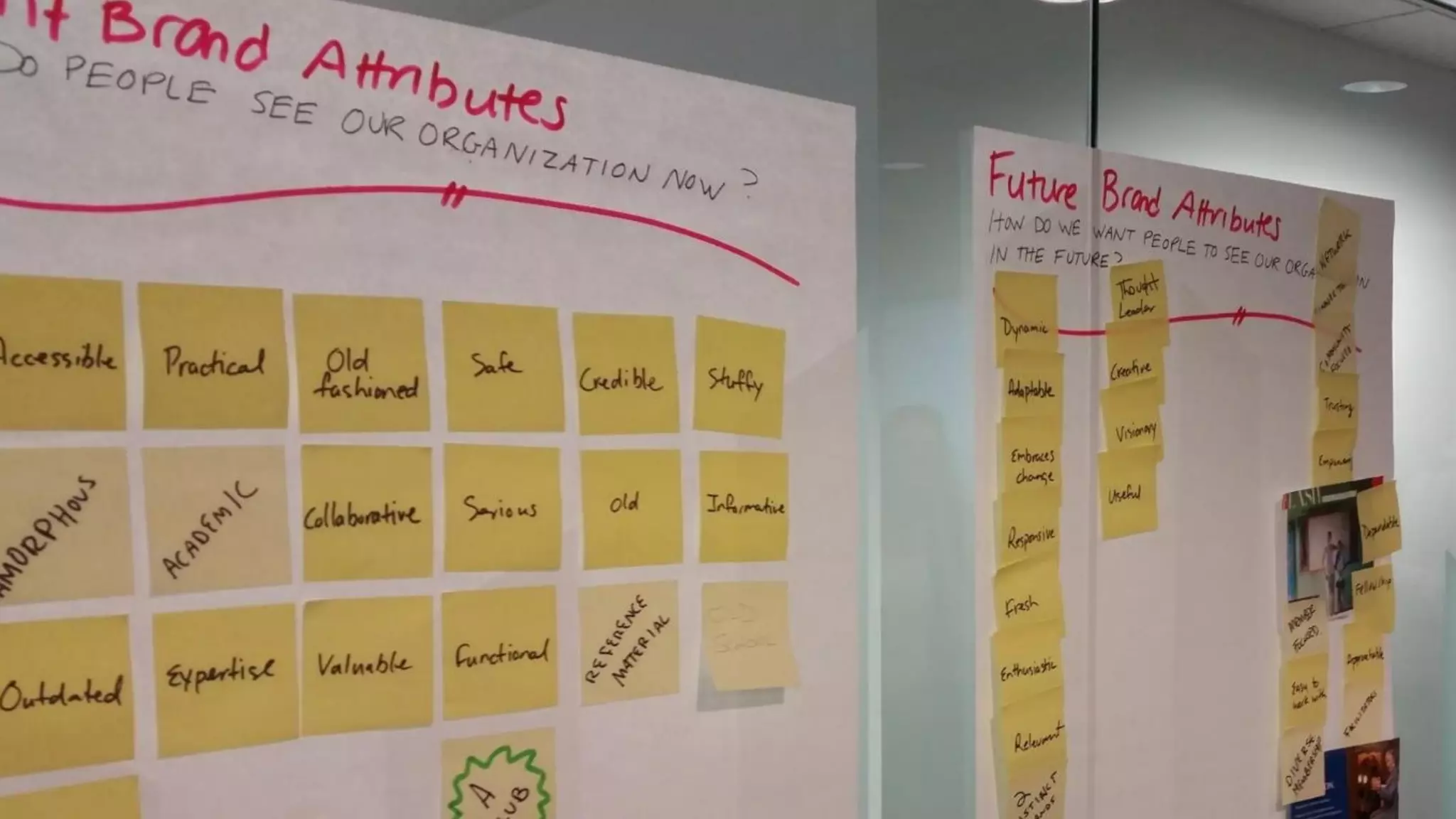
• Organizations define how they are perceived now
and how they want to be in the future.
• Result in a high-level framework to communicate a
brand.
• Defining / sticking to Identity Pillars helps ensure
organizations stay true to themselves.
Methodology derived from Ahava Leibtag
Activity 3
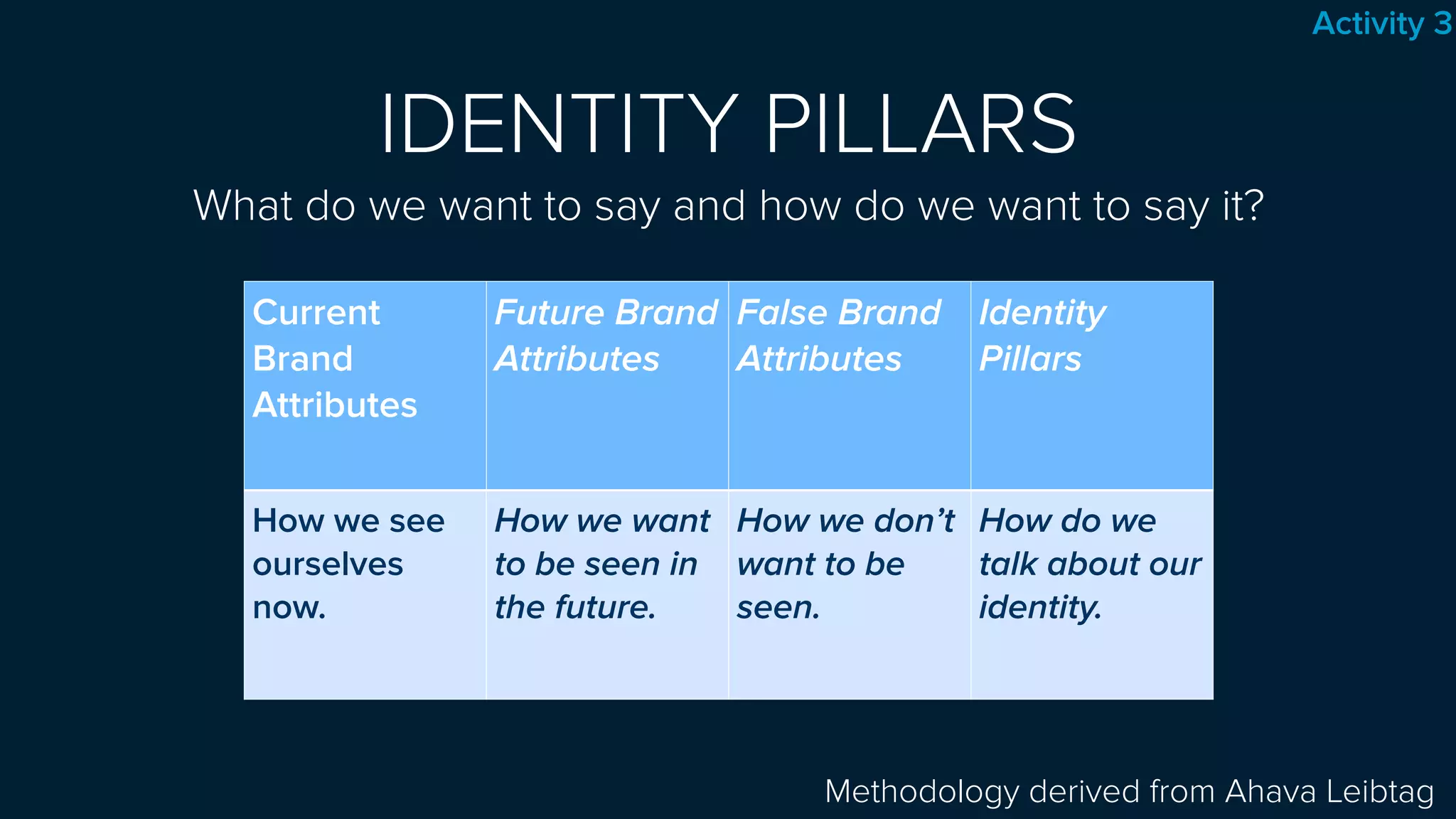
IDENTITY PILLARS

What do we want to say and how do we want to say it?
Methodology derived from Ahava Leibtag
Current
Brand
Attributes
Future Brand
Attributes
False Brand
Attributes
Identity
Pillars
How we see
ourselves
now.
How we want
to be seen in
the future.
How we don’t
want to be
seen.
How do we
talk about our
identity.
Activity 3
MESSAGING ARCHITECTURE

What do we want to say and how do we want to say it?


Methodology derived from Karen McGrane
As information architecture defines
the blueprint for a site’s functional
and visual design, messaging
architecture defines the blueprint
of all site content.
Activity 4
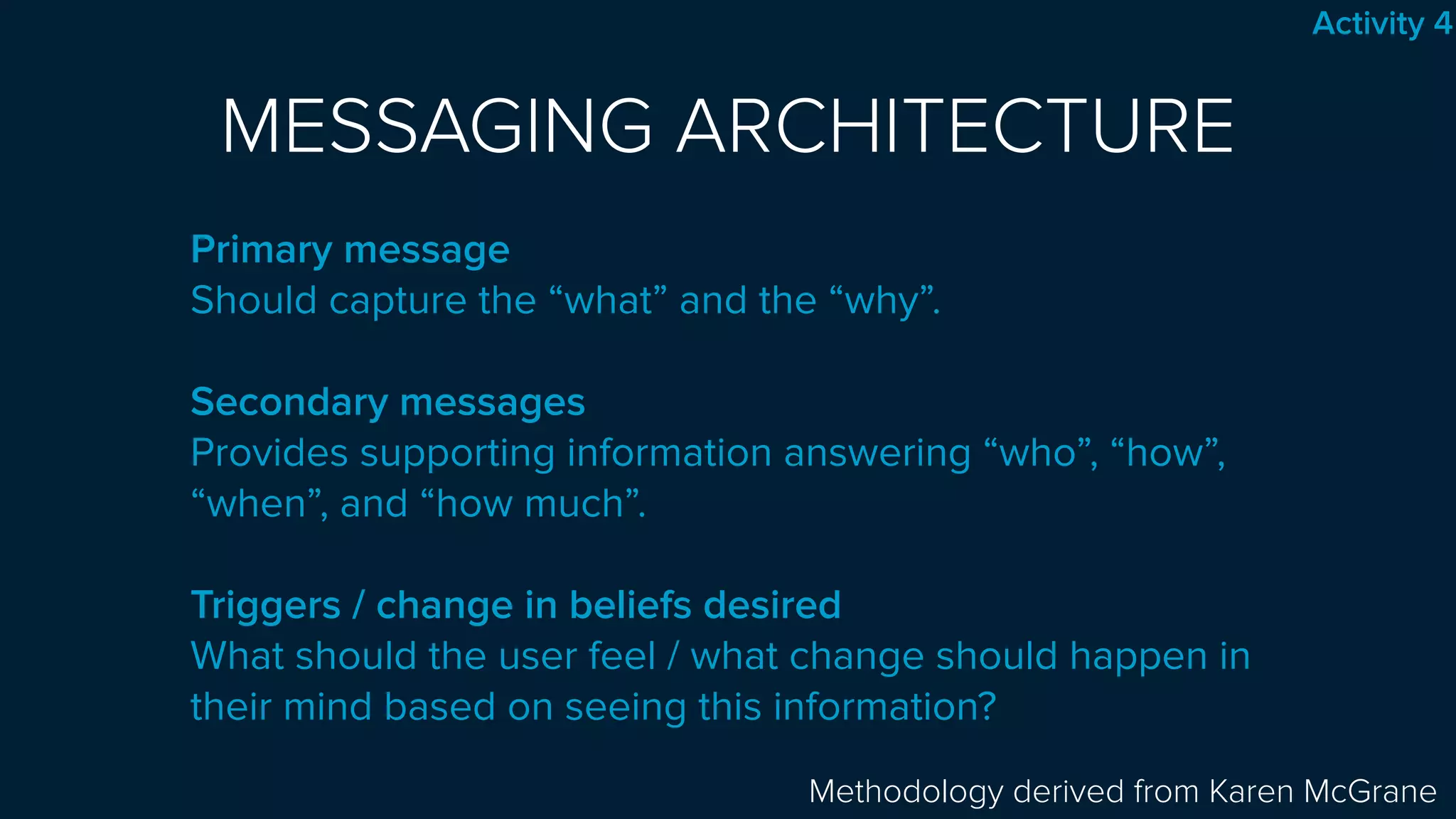
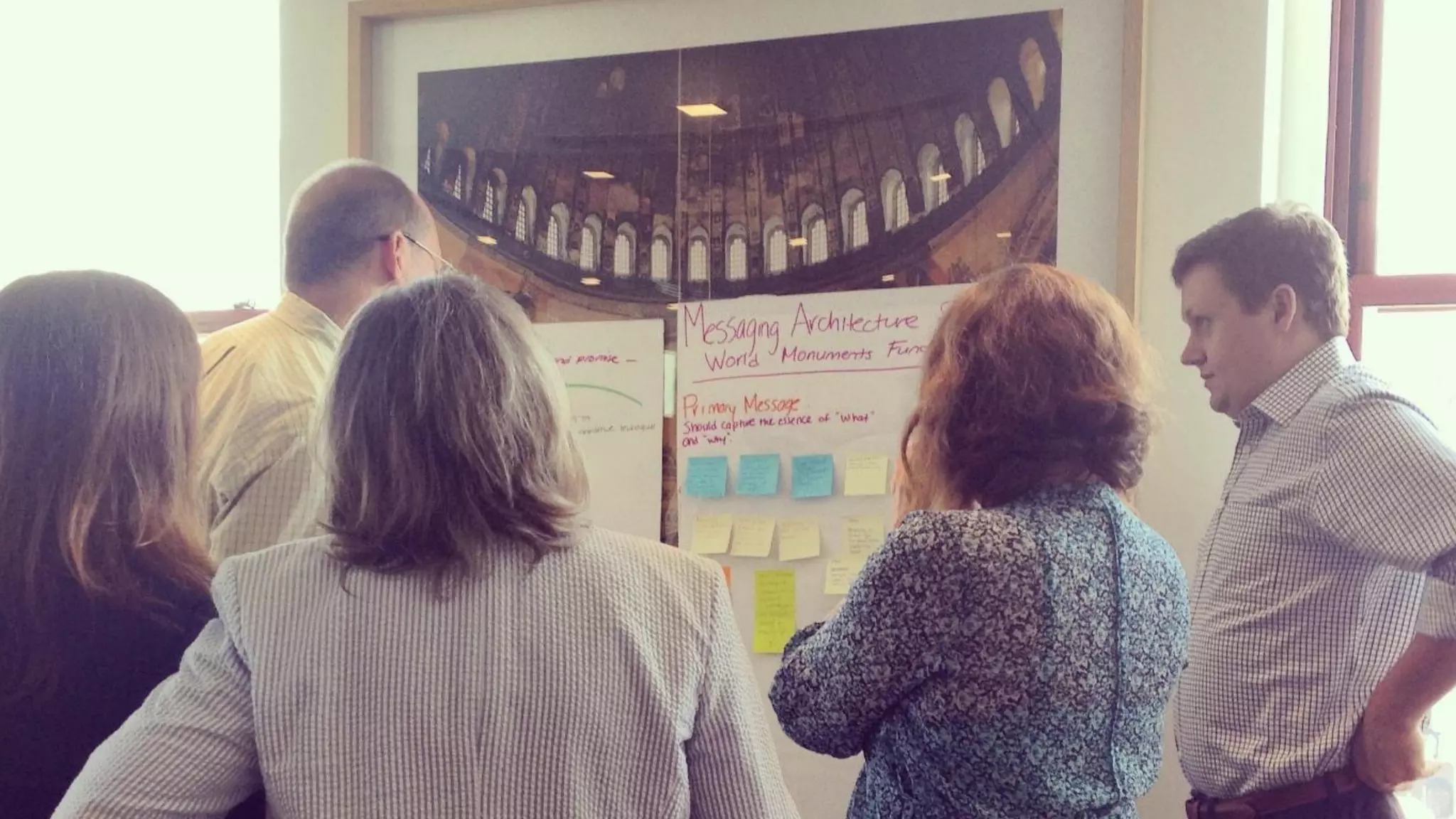
MESSAGING ARCHITECTURE

Primary message
Should capture the “what” and the “why”.
Secondary messages
Provides supporting information answering “who”, “how”,
“when”, and “how much”.
Triggers / change in beliefs desired
What should the user feel / what change should happen in
their mind based on seeing this information?
Methodology derived from Karen McGrane
Activity 4
This is hard.
But worth it.
DESIGN THE

NARRATIVE
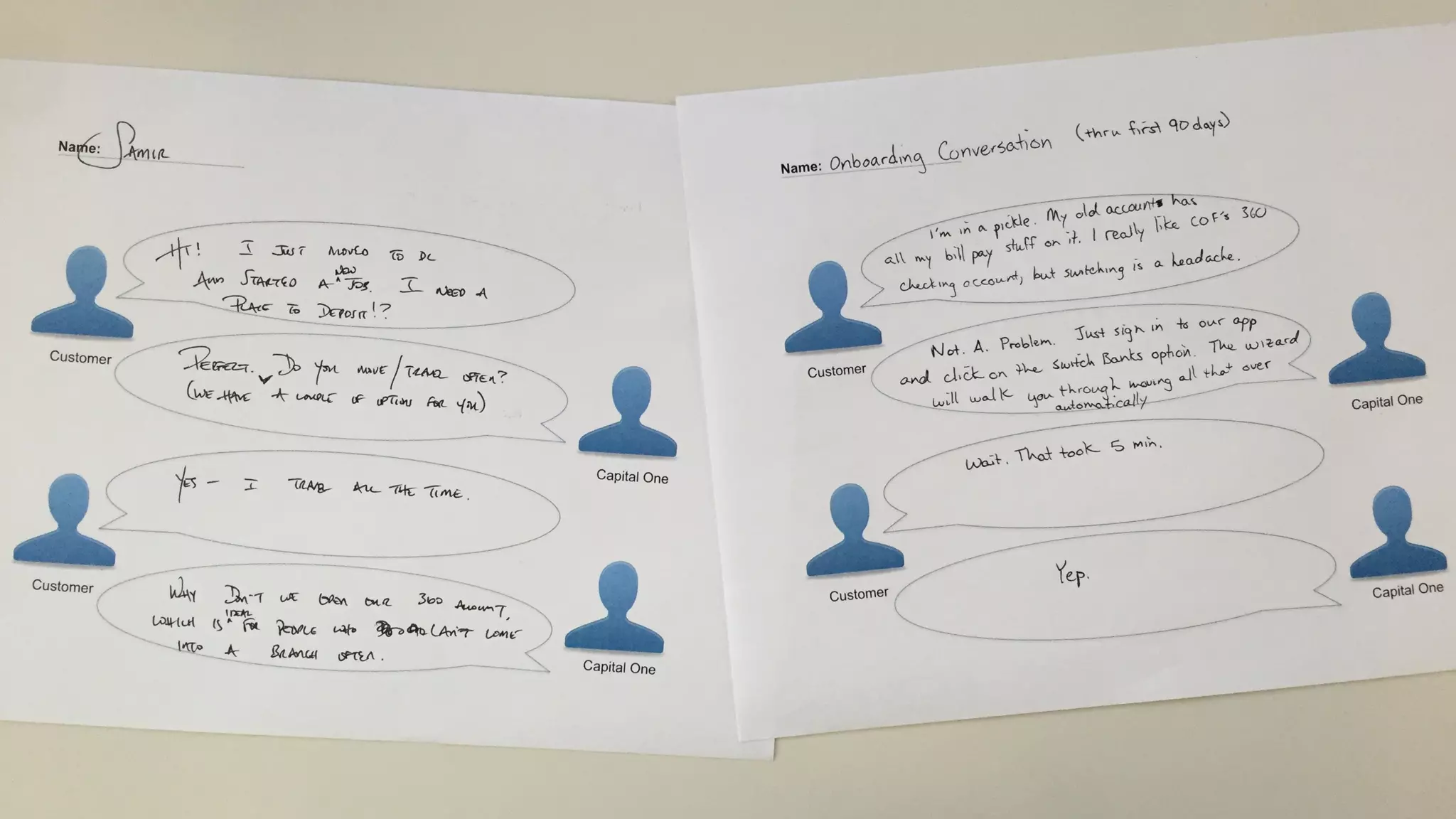
“TALK BUBBLE”

Let natural language shape the experience
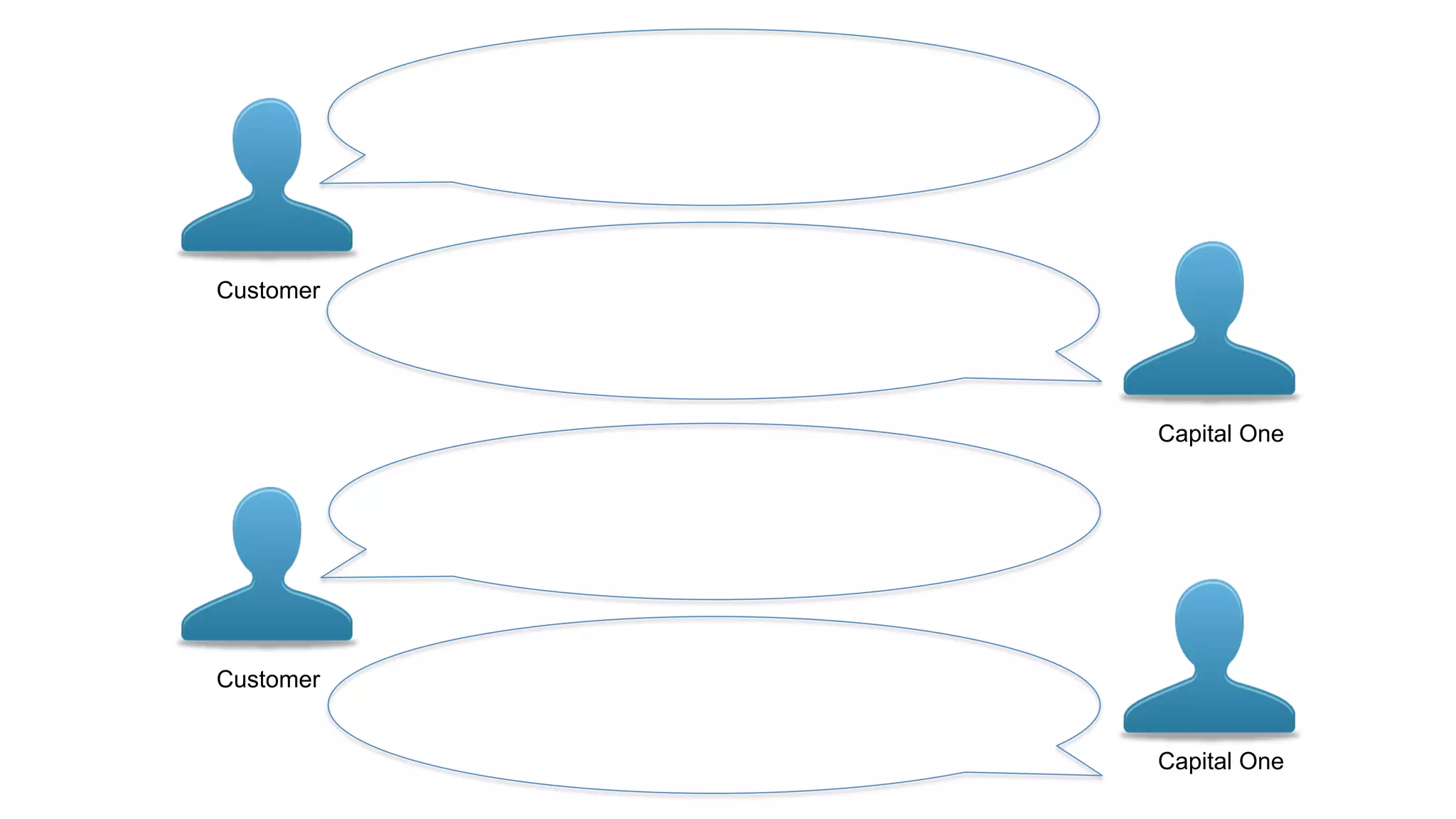
• Conduct a design studio using “talk bubbles.”
• Imagining real conversations helps us design the
right flow / pacing.
• Anticipate customer expectations and create
personalized experiences.
Methodology derived from Steph Hay & Mave Houston
Activity 5
Customer
Customer
Capital One
Capital One
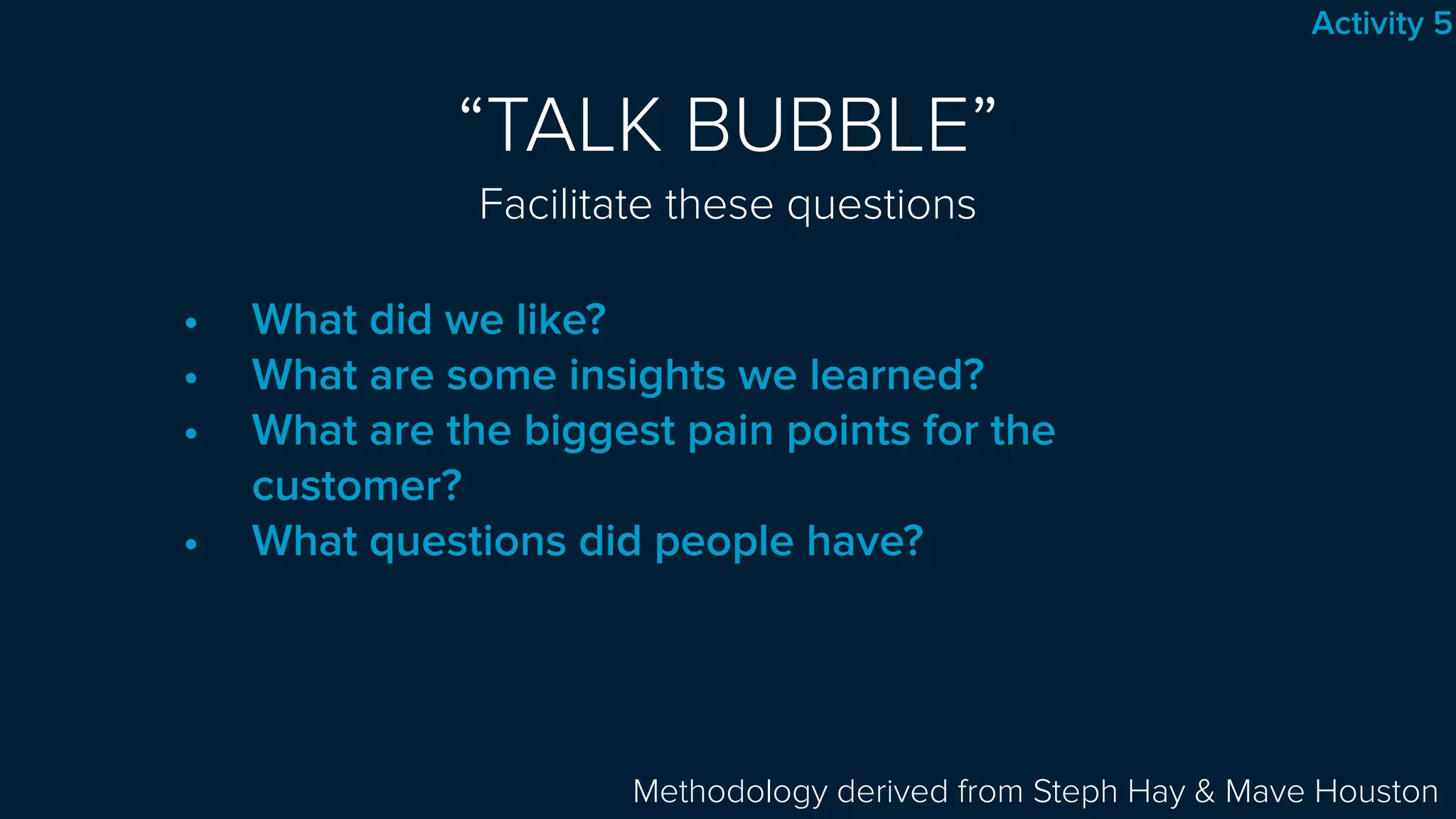
“TALK BUBBLE”

Facilitate these questions
• What did we like?
• What are some insights we learned?
• What are the biggest pain points for the
customer?
• What questions did people have?
Methodology derived from Steph Hay & Mave Houston
Activity 5
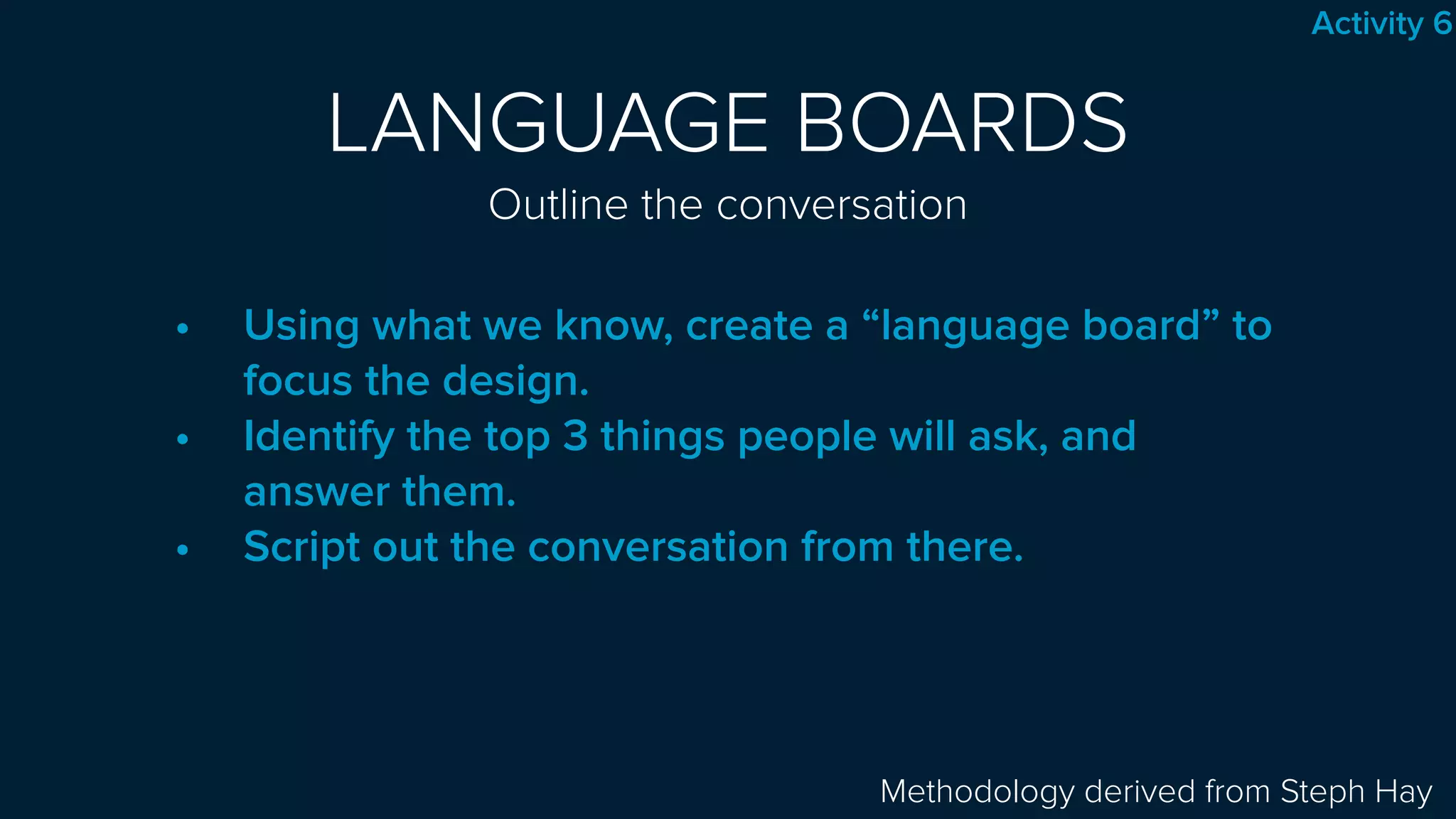
LANGUAGE BOARDS

Outline the conversation
• Using what we know, create a “language board” to
focus the design.
• Identify the top 3 things people will ask, and
answer them.
• Script out the conversation from there.
Methodology derived from Steph Hay
Activity 6
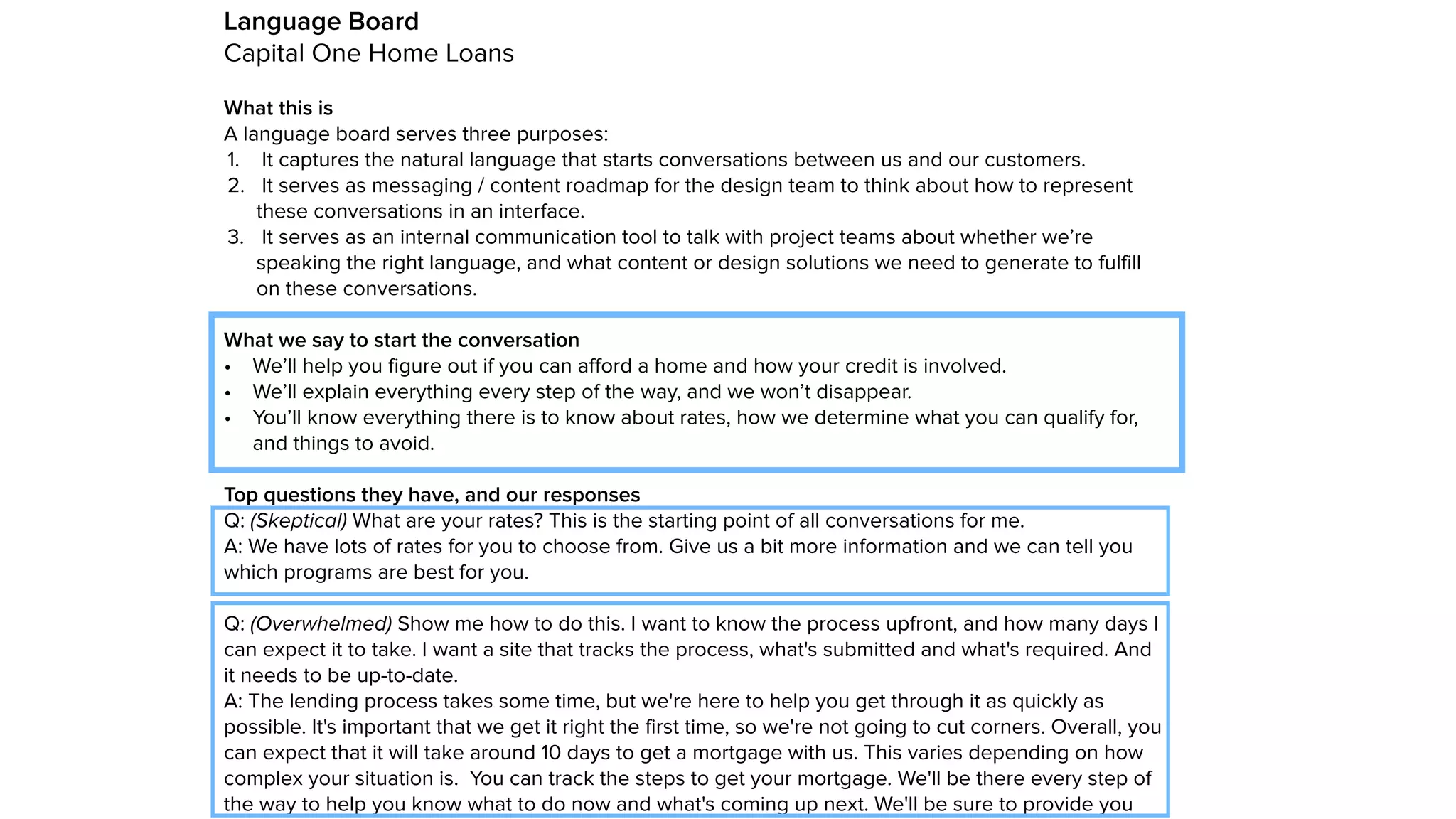
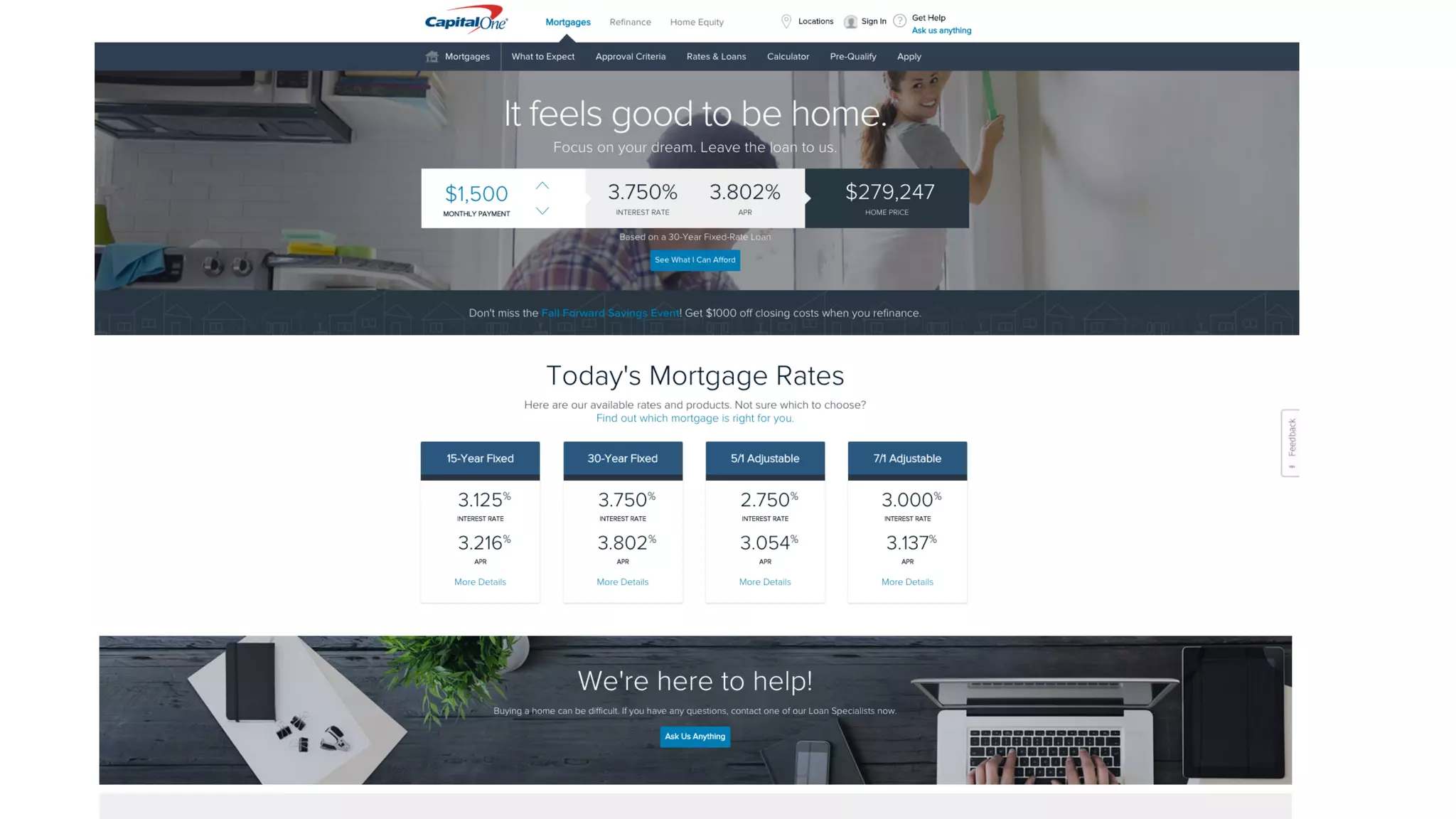
Language Board
Capital One Home Loans
What this is
A language board serves three purposes:
1. It captures the natural language that starts conversations between us and our customers.
2. It serves as messaging / content roadmap for the design team to think about how to represent
these conversations in an interface.
3. It serves as an internal communication tool to talk with project teams about whether we’re
speaking the right language, and what content or design solutions we need to generate to fulfill
on these conversations.
What we say to start the conversation
• We’ll help you figure out if you can afford a home and how your credit is involved.
• We’ll explain everything every step of the way, and we won’t disappear.
• You’ll know everything there is to know about rates, how we determine what you can qualify for,
and things to avoid.
Top questions they have, and our responses
Q: (Skeptical) What are your rates? This is the starting point of all conversations for me.
A: We have lots of rates for you to choose from. Give us a bit more information and we can tell you
which programs are best for you.
Q: (Overwhelmed) Show me how to do this. I want to know the process upfront, and how many days I
can expect it to take. I want a site that tracks the process, what's submitted and what's required. And
it needs to be up-to-date.
A: The lending process takes some time, but we're here to help you get through it as quickly as
possible. It's important that we get it right the first time, so we're not going to cut corners. Overall, you
can expect that it will take around 10 days to get a mortgage with us. This varies depending on how
complex your situation is. You can track the steps to get your mortgage. We'll be there every step of
the way to help you know what to do now and what's coming up next. We'll be sure to provide you
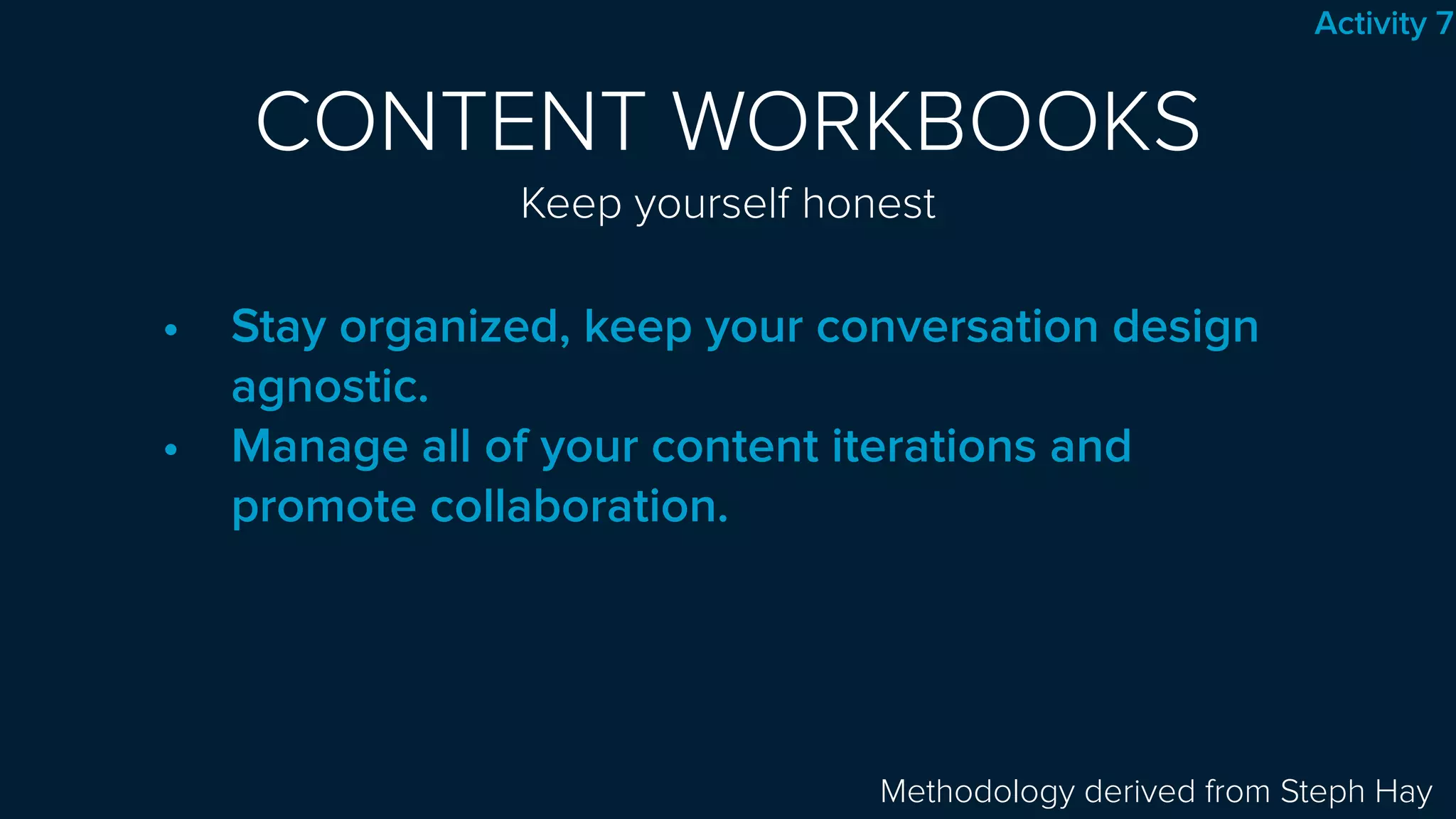
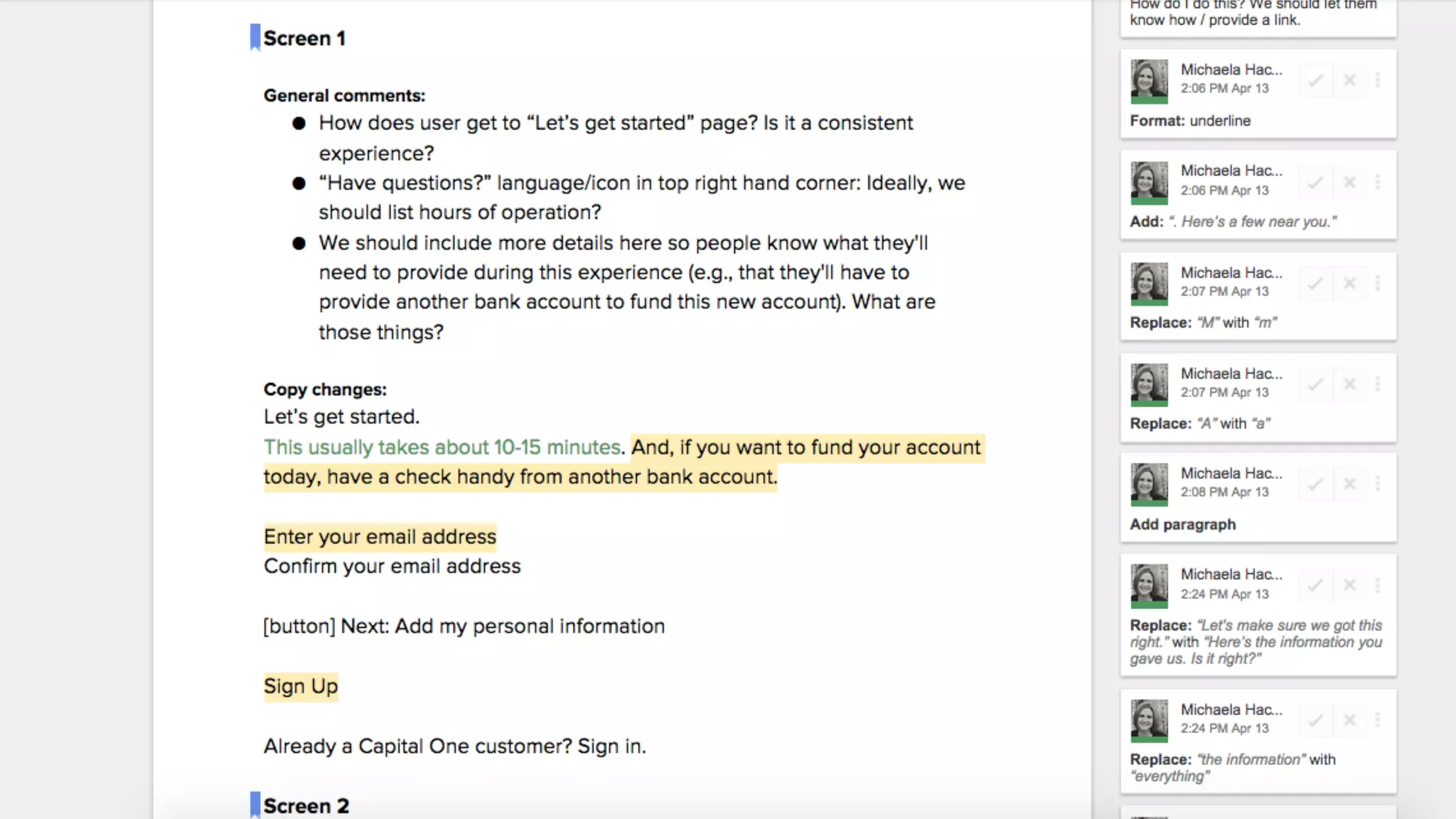
CONTENT WORKBOOKS

Keep yourself honest
• Stay organized, keep your conversation design
agnostic.
• Manage all of your content iterations and
promote collaboration.
Methodology derived from Steph Hay
Activity 7
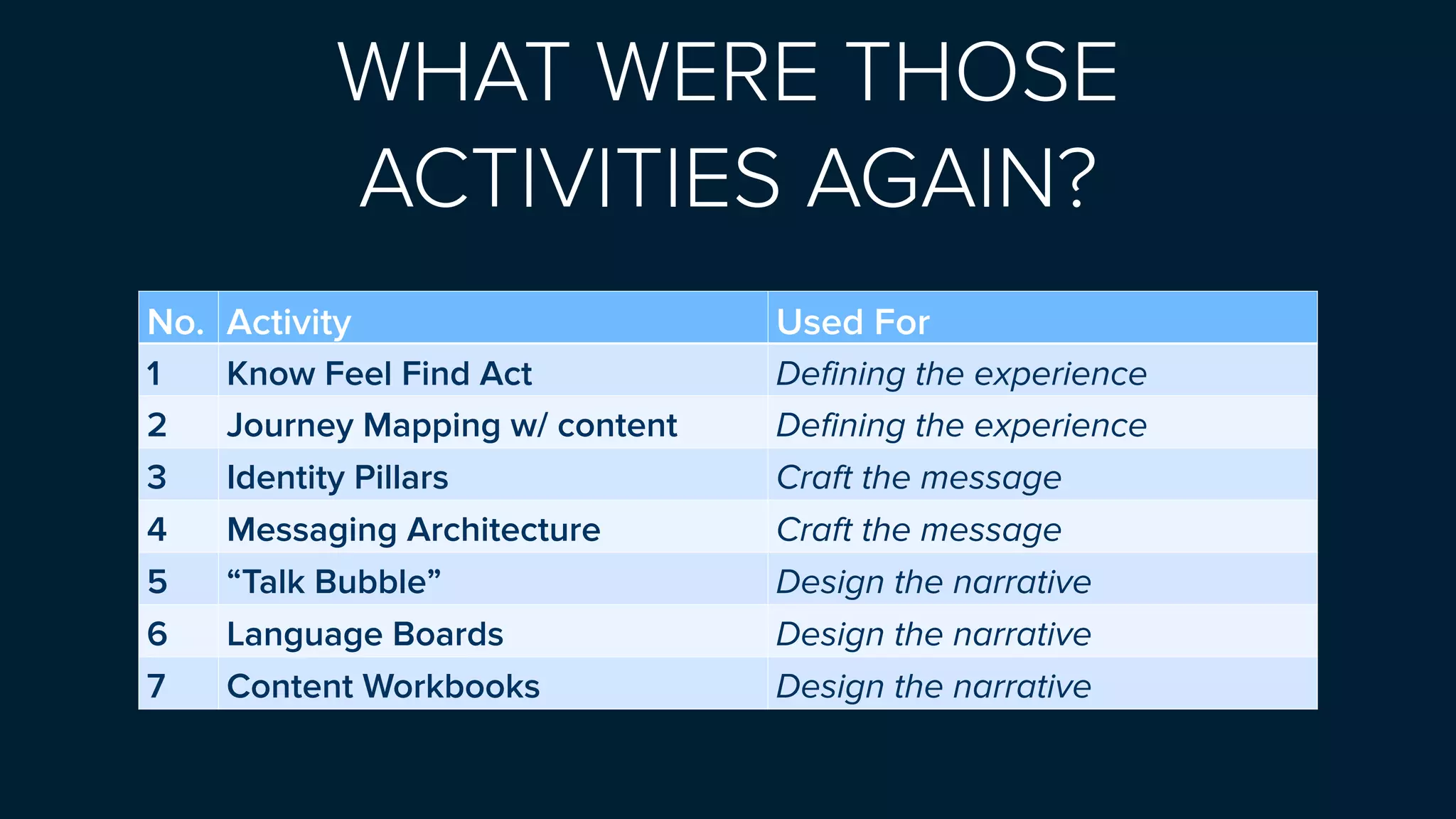
No. Activity Used For
1 Know Feel Find Act Defining the experience
2 Journey Mapping w/ content Defining the experience
3 Identity Pillars Craft the message
4 Messaging Architecture Craft the message
5 “Talk Bubble” Design the narrative
6 Language Boards Design the narrative
7 Content Workbooks Design the narrative
WHAT WERE THOSE
ACTIVITIES AGAIN?

WHAT DO I DO

NOW?
SOME ADVICE…

BE BRAVE
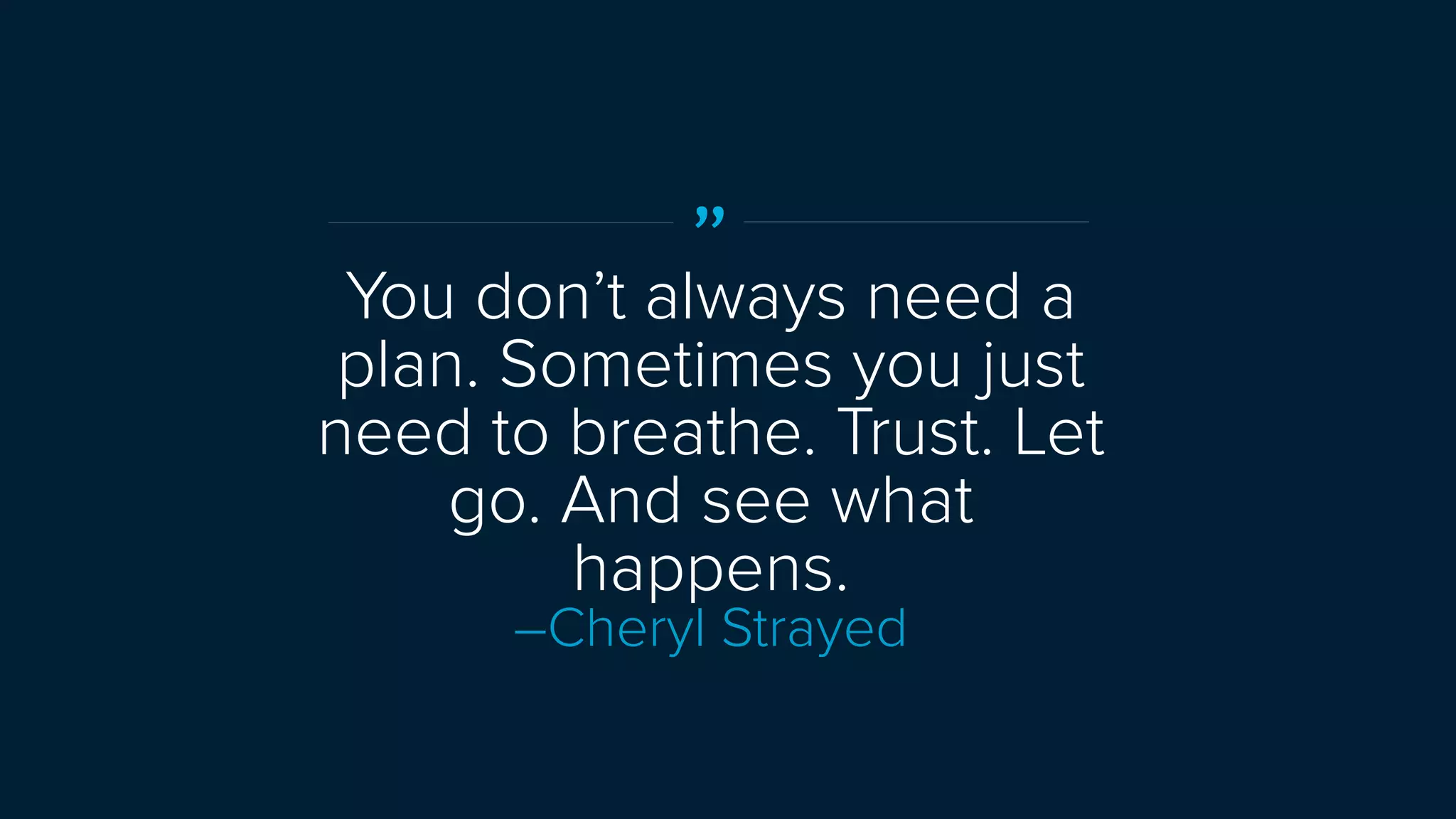
”
You don’t always need a
plan. Sometimes you just
need to breathe. Trust. Let
go. And see what
happens.
–Cheryl Strayed
THERE’S NO RIGHT WAY
YOU MIGHT FAIL ONCE
OR TWICE
(but that’s ok)
AND YOU’LL FIGURE
OUT WHAT WORKS
BEST…
LEARN MORE
THINGS TO READ

Content First User Experience | Steph Hay
Content First Design | Steph Hay
The Digital Crown: Winning at Content on the Web | Ahava Leibtag
Content Strategy at Work | Margot Bloomstein
Storymapping, A Macgyver Approach .... | Donna Lichaw & Lis Hubert
Nicely Said | Nicole Fenton & Kate Kiefer Lee
GatherContent’s Blog
Epic List of Content Strategy Resources | Jon Colman
MailChimp’s Style Guide
STAY IN TOUCH
Michaela Hackner
UX Content Strategy @ Capital One
michaela.hackner@capitalone.com
@kalabird

Fun With Words: A Toolkit for Designing Great Content, First

  • 1.
    FUN WITH WORDS ATOOLKIT FOR DESIGNING GREAT CONTENT, FIRST.
  • 2.
  • 7.
  • 8.
    So we can… buildthe right thing 
 the first time
  • 9.
    get to marketquickly (with a kickass 
 digital experience)
  • 10.
    build a connection
 through design that 
 transcends channels
  • 11.
    ” To know whatcontent I need, I have to know what the page looks like. –Every designer ever
  • 13.
    AUDIENCE DEFINITION Who areyou speaking to?
 • Who are our audiences? • Which are the highest priority? • What kinds of information do they want and how? • What are their motivations?
  • 15.
  • 16.
    KNOW FEEL FINDACT
 What experience do we want to create? • What do we want our audiences to know about us? • What do we want them to feel? • What do we want them to find? • What do we want them to do? Methodology derived from John Schneider Activity 1
  • 17.
  • 20.
    JOURNEY MAPPING
 What isthe journey we want our visitors to take? Explore the “journeys” key audiences take as the become more deeply engaged in your organization. Mapping out this experience helps us: • Achieve a shared understanding of user needs and goals and how they relate to the content. • Identify what content is strong, where the gaps are, and derive an approach to strengthen conversions. Methodology derived from Donna LiChaw and Lis Hubert Activity 2
  • 22.
  • 23.
    IDENTITY PILLARS
 What dowe want to say and how do we want to say it? • Organizations define how they are perceived now and how they want to be in the future. • Result in a high-level framework to communicate a brand. • Defining / sticking to Identity Pillars helps ensure organizations stay true to themselves. Methodology derived from Ahava Leibtag Activity 3
  • 24.
    IDENTITY PILLARS
 What dowe want to say and how do we want to say it? Methodology derived from Ahava Leibtag Current Brand Attributes Future Brand Attributes False Brand Attributes Identity Pillars How we see ourselves now. How we want to be seen in the future. How we don’t want to be seen. How do we talk about our identity. Activity 3
  • 27.
    MESSAGING ARCHITECTURE
 What dowe want to say and how do we want to say it? 
 Methodology derived from Karen McGrane As information architecture defines the blueprint for a site’s functional and visual design, messaging architecture defines the blueprint of all site content. Activity 4
  • 28.
    MESSAGING ARCHITECTURE
 Primary message Shouldcapture the “what” and the “why”. Secondary messages Provides supporting information answering “who”, “how”, “when”, and “how much”. Triggers / change in beliefs desired What should the user feel / what change should happen in their mind based on seeing this information? Methodology derived from Karen McGrane Activity 4
  • 30.
  • 31.
  • 32.
  • 33.
    “TALK BUBBLE”
 Let naturallanguage shape the experience • Conduct a design studio using “talk bubbles.” • Imagining real conversations helps us design the right flow / pacing. • Anticipate customer expectations and create personalized experiences. Methodology derived from Steph Hay & Mave Houston Activity 5
  • 34.
  • 36.
    “TALK BUBBLE”
 Facilitate thesequestions • What did we like? • What are some insights we learned? • What are the biggest pain points for the customer? • What questions did people have? Methodology derived from Steph Hay & Mave Houston Activity 5
  • 37.
    LANGUAGE BOARDS
 Outline theconversation • Using what we know, create a “language board” to focus the design. • Identify the top 3 things people will ask, and answer them. • Script out the conversation from there. Methodology derived from Steph Hay Activity 6
  • 38.
    Language Board Capital OneHome Loans What this is A language board serves three purposes: 1. It captures the natural language that starts conversations between us and our customers. 2. It serves as messaging / content roadmap for the design team to think about how to represent these conversations in an interface. 3. It serves as an internal communication tool to talk with project teams about whether we’re speaking the right language, and what content or design solutions we need to generate to fulfill on these conversations. What we say to start the conversation • We’ll help you figure out if you can afford a home and how your credit is involved. • We’ll explain everything every step of the way, and we won’t disappear. • You’ll know everything there is to know about rates, how we determine what you can qualify for, and things to avoid. Top questions they have, and our responses Q: (Skeptical) What are your rates? This is the starting point of all conversations for me. A: We have lots of rates for you to choose from. Give us a bit more information and we can tell you which programs are best for you. Q: (Overwhelmed) Show me how to do this. I want to know the process upfront, and how many days I can expect it to take. I want a site that tracks the process, what's submitted and what's required. And it needs to be up-to-date. A: The lending process takes some time, but we're here to help you get through it as quickly as possible. It's important that we get it right the first time, so we're not going to cut corners. Overall, you can expect that it will take around 10 days to get a mortgage with us. This varies depending on how complex your situation is. You can track the steps to get your mortgage. We'll be there every step of the way to help you know what to do now and what's coming up next. We'll be sure to provide you
  • 40.
    CONTENT WORKBOOKS
 Keep yourselfhonest • Stay organized, keep your conversation design agnostic. • Manage all of your content iterations and promote collaboration. Methodology derived from Steph Hay Activity 7
  • 42.
    No. Activity UsedFor 1 Know Feel Find Act Defining the experience 2 Journey Mapping w/ content Defining the experience 3 Identity Pillars Craft the message 4 Messaging Architecture Craft the message 5 “Talk Bubble” Design the narrative 6 Language Boards Design the narrative 7 Content Workbooks Design the narrative WHAT WERE THOSE ACTIVITIES AGAIN?

  • 43.
    WHAT DO IDO
 NOW?
  • 44.
  • 45.
    ” You don’t alwaysneed a plan. Sometimes you just need to breathe. Trust. Let go. And see what happens. –Cheryl Strayed
  • 46.
  • 47.
    YOU MIGHT FAILONCE OR TWICE (but that’s ok)
  • 48.
    AND YOU’LL FIGURE OUTWHAT WORKS BEST…
  • 50.
  • 51.
    THINGS TO READ
 ContentFirst User Experience | Steph Hay Content First Design | Steph Hay The Digital Crown: Winning at Content on the Web | Ahava Leibtag Content Strategy at Work | Margot Bloomstein Storymapping, A Macgyver Approach .... | Donna Lichaw & Lis Hubert Nicely Said | Nicole Fenton & Kate Kiefer Lee GatherContent’s Blog Epic List of Content Strategy Resources | Jon Colman MailChimp’s Style Guide
  • 52.
    STAY IN TOUCH MichaelaHackner UX Content Strategy @ Capital One
 michaela.hackner@capitalone.com @kalabird