How to create a
recruitment process
from scratch
Mia Berglund
2019
Agenda
• Candidate persona
• Recruitment process
• Application
• Selection
• Hiring
• How to measure recruitment success
and predict future success
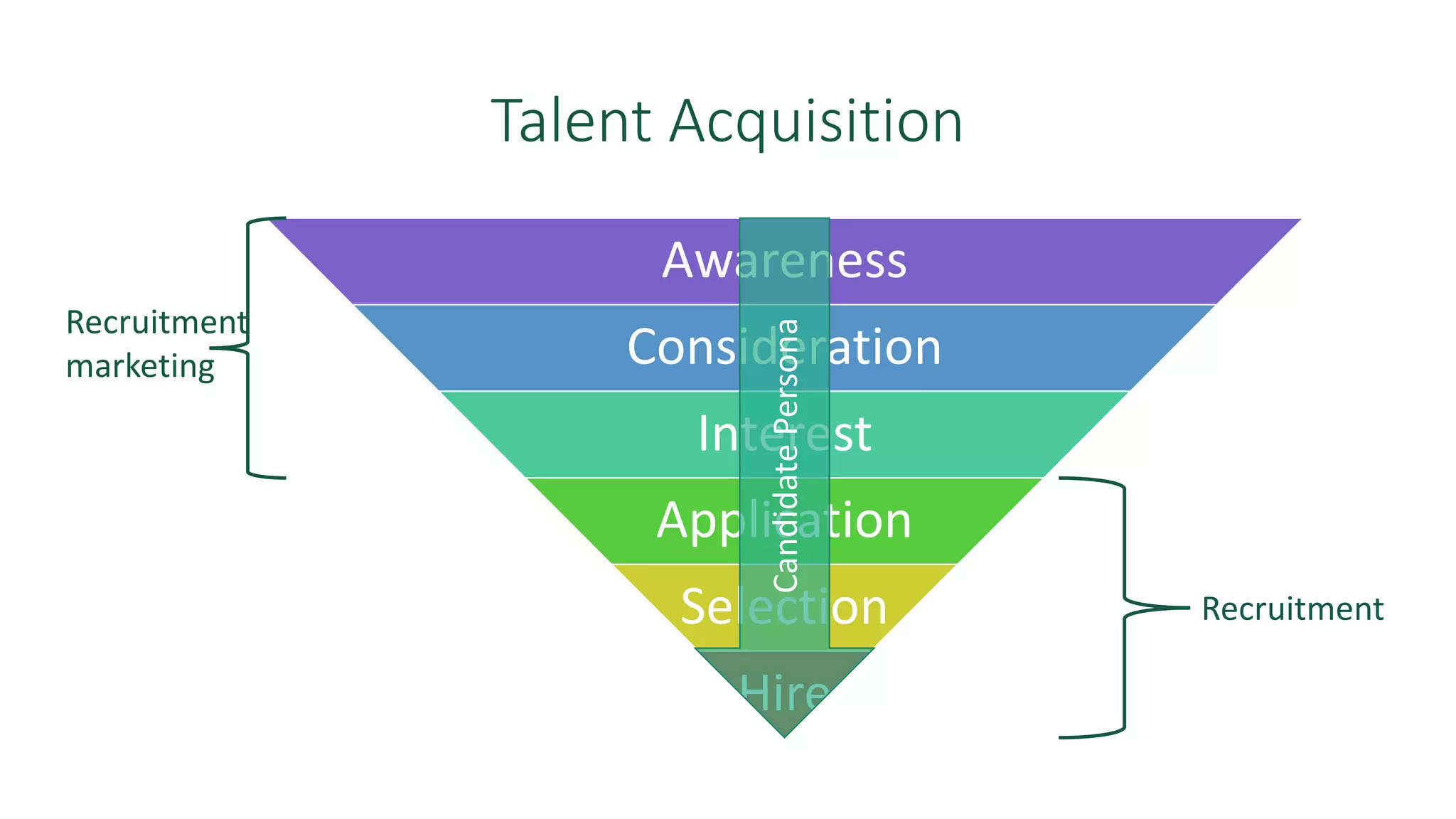
Talent Acquisition
Awareness
Consideration
Interest
Application
Selection
Hire
Recruitment
marketing
Recruitment
CandidatePersona
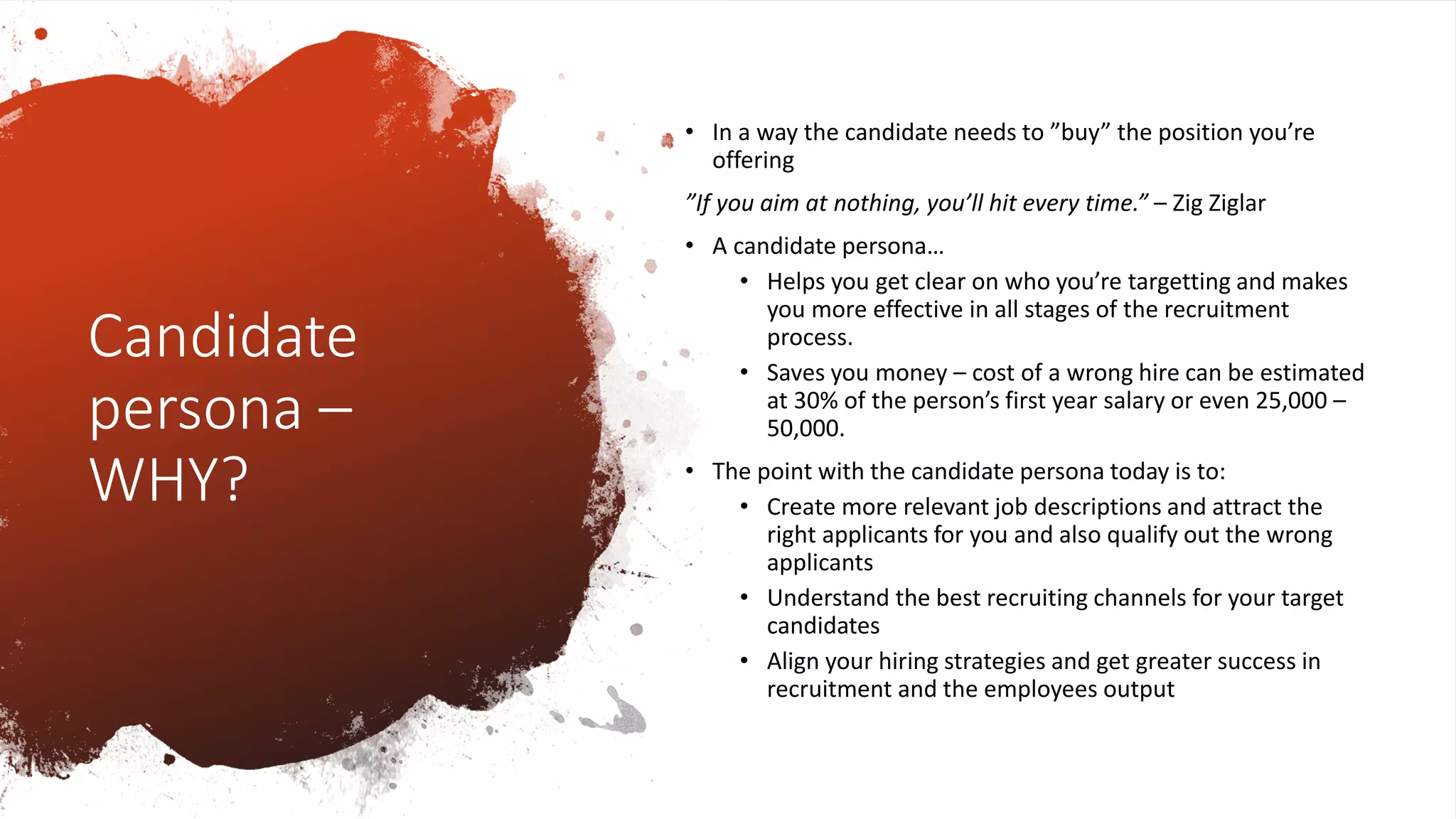
Candidate
persona –
WHY?
• In a way the candidate needs to ”buy” the position you’re
offering
”If you aim at nothing, you’ll hit every time.” – Zig Ziglar
• A candidate persona…
• Helps you get clear on who you’re targetting and makes
you more effective in all stages of the recruitment
process.
• Saves you money – cost of a wrong hire can be estimated
at 30% of the person’s first year salary or even 25,000 –
50,000.
• The point with the candidate persona today is to:
• Create more relevant job descriptions and attract the
right applicants for you and also qualify out the wrong
applicants
• Understand the best recruiting channels for your target
candidates
• Align your hiring strategies and get greater success in
recruitment and the employees output
Other notable
results from a well
defined candidate
persona
• Reduced turnover rate
• Recruiting people that are a fit for your
company culture
• Improved candidate experience
• Higher offer-acceptance rate
• Improved recruitment-marketing
• Lower cost-to-hire
• Improved company Employer Brand
• Higher employee satisfaction
How to create
a candidate
persona
1. Benchmark current ”star” employees
2. Business objectives and timelines
3. Who is hiring, what manager or team
will they be joining
4. What do we don’t wanna have?
• Throw out everything you think you
know right now and start from scratch.
• The most effective candidate personas
are based on real, concrete data — not
gut feelings and assumptions.
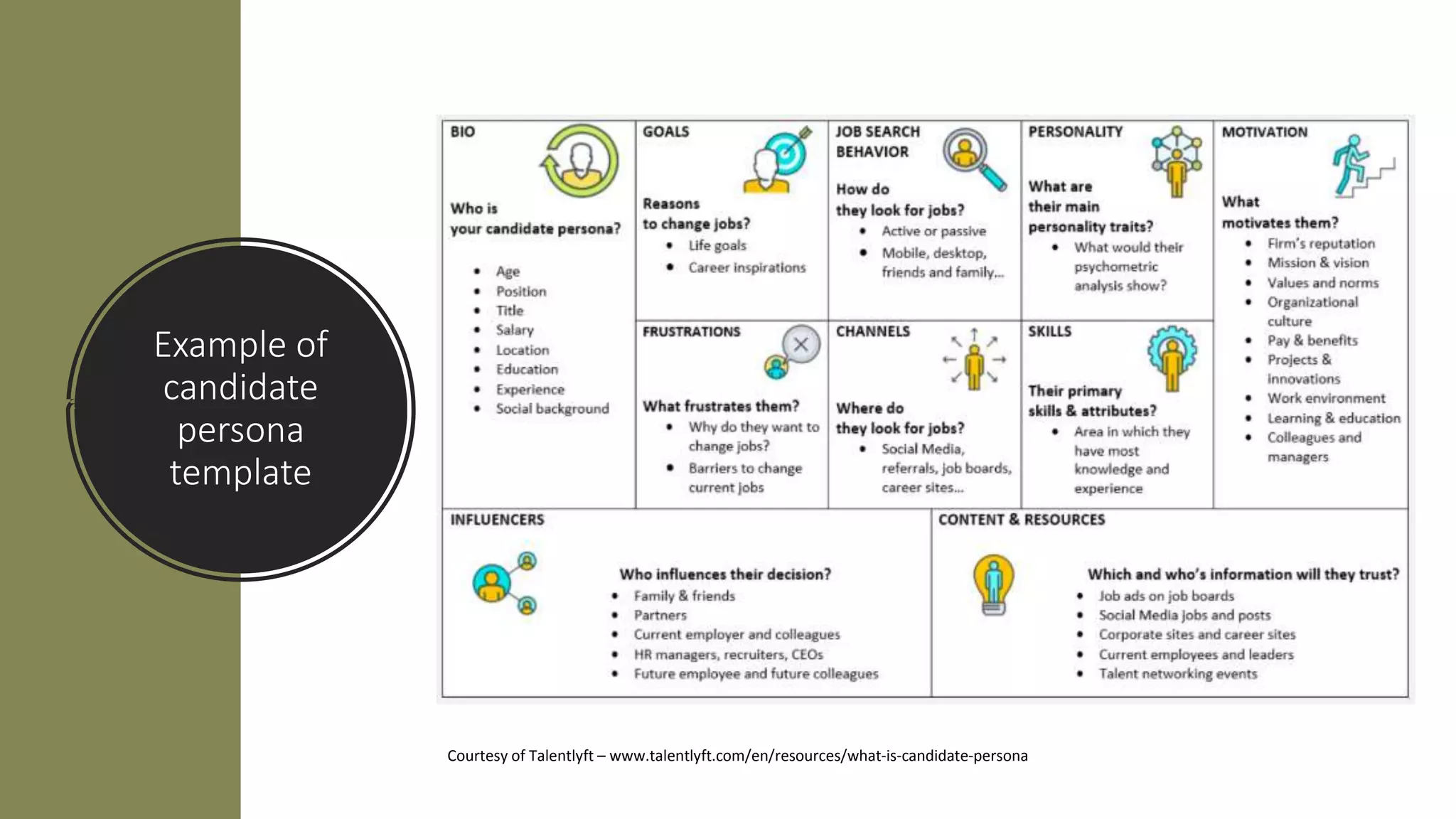
Example of
candidate
persona
template
Courtesy of Talentlyft – www.talentlyft.com/en/resources/what-is-candidate-persona
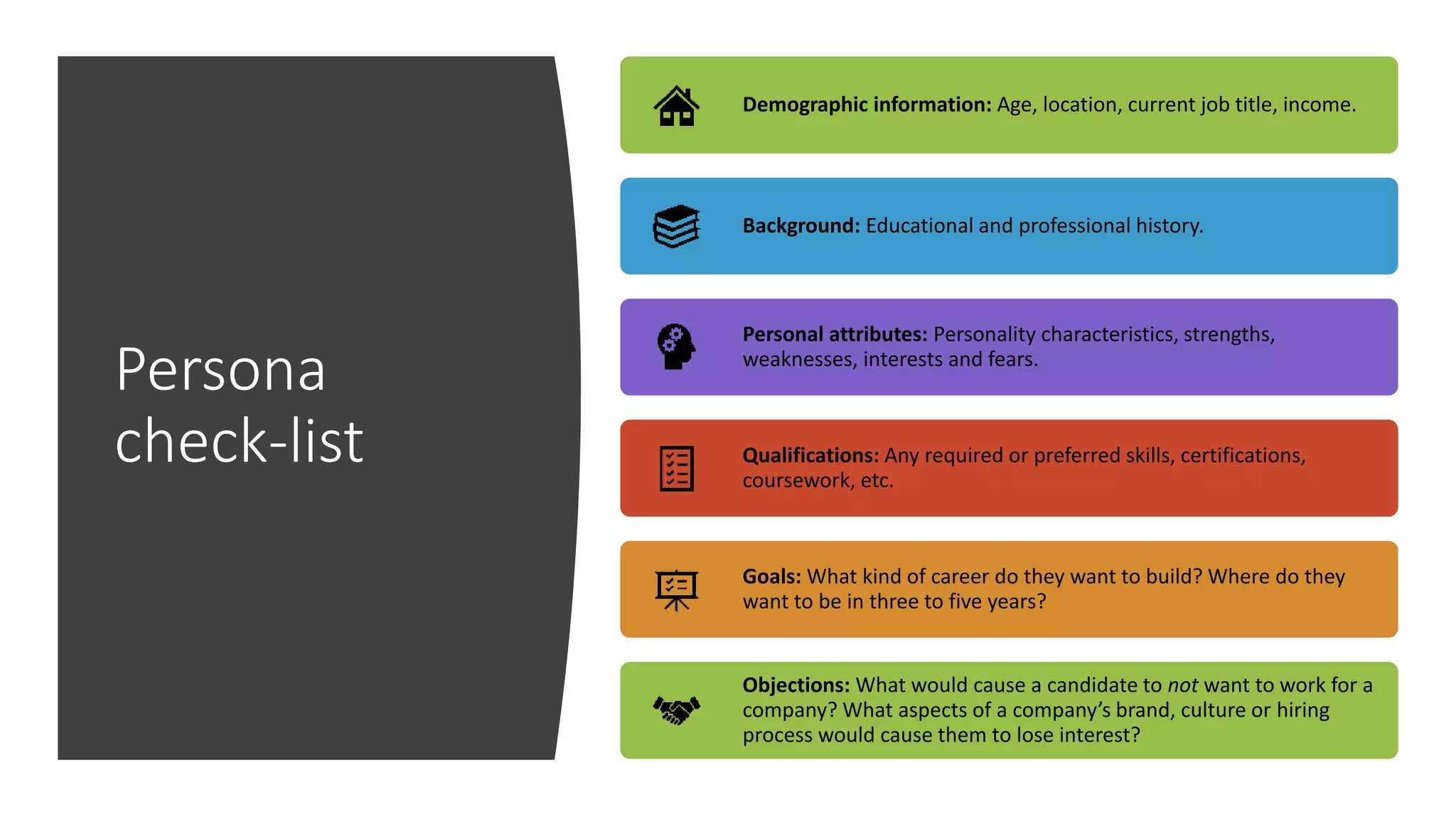
Persona
check-list
Demographic information: Age, location, current job title, income.
Background: Educational and professional history.
Personal attributes: Personality characteristics, strengths,
weaknesses, interests and fears.
Qualifications: Any required or preferred skills, certifications,
coursework, etc.
Goals: What kind of career do they want to build? Where do they
want to be in three to five years?
Objections: What would cause a candidate to not want to work for a
company? What aspects of a company’s brand, culture or hiring
process would cause them to lose interest?
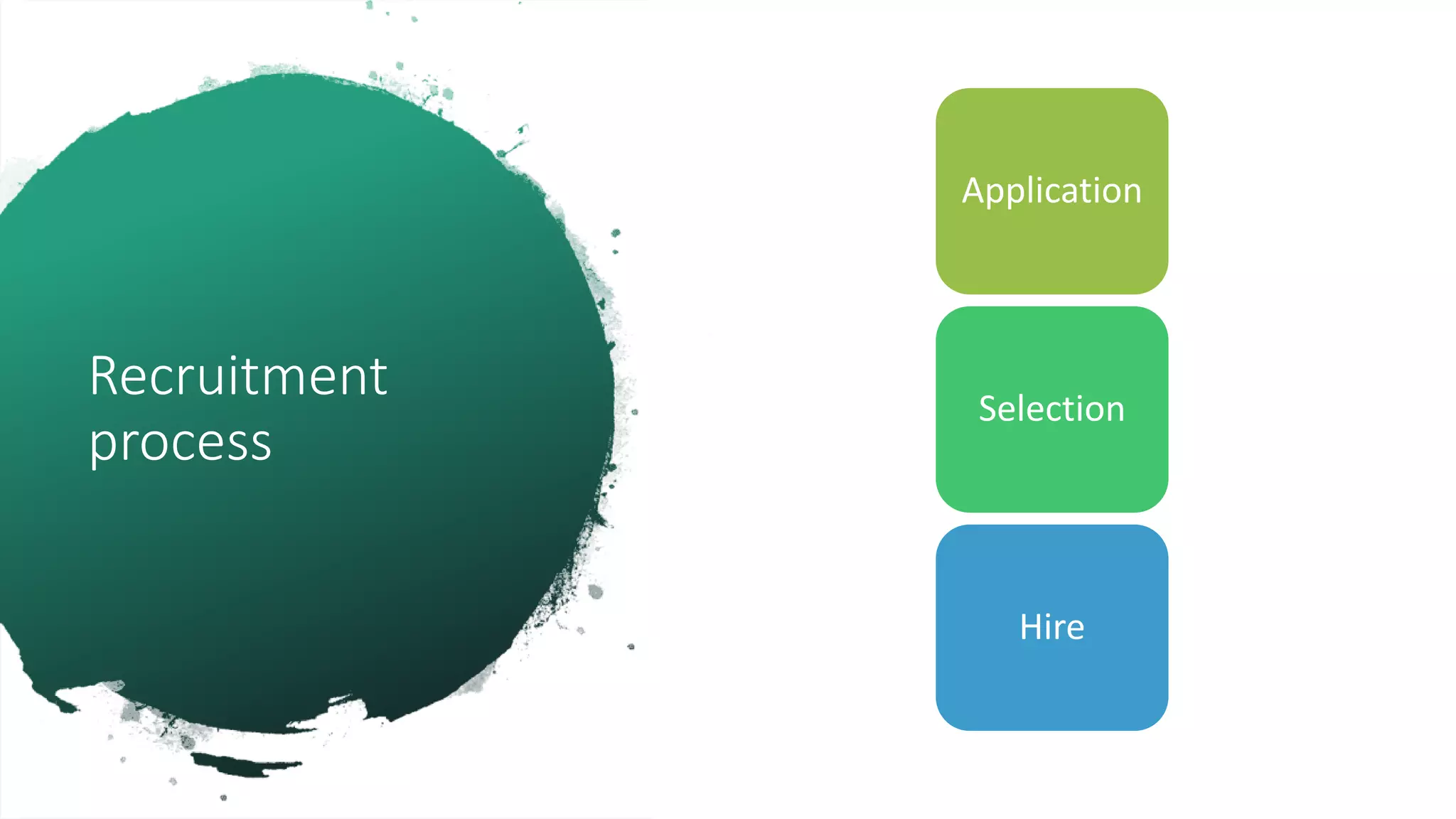
Recruitment
process
Application
Selection
Hire
Application
process
• How and through which channels does
your candidate look for opportunites, if
they look at all?
• What type of application process will
our candidate persona enjoy the most?
How should it be designed?
Job advertisement
The point with the job advertisement is just as much to qualify OUT the wrong people as it is to qualify IN the
right people.
• Study your target candidate.
• Optimize the job title with the keywords that the candidate is using.
• Start with a company summary.
• Concisely describe the job's benefits.
• Summarize the benefits package or EVP.
• Keep the job's requirements clear and realistic.
• Use strong verbs to describe the job's responsibilities.
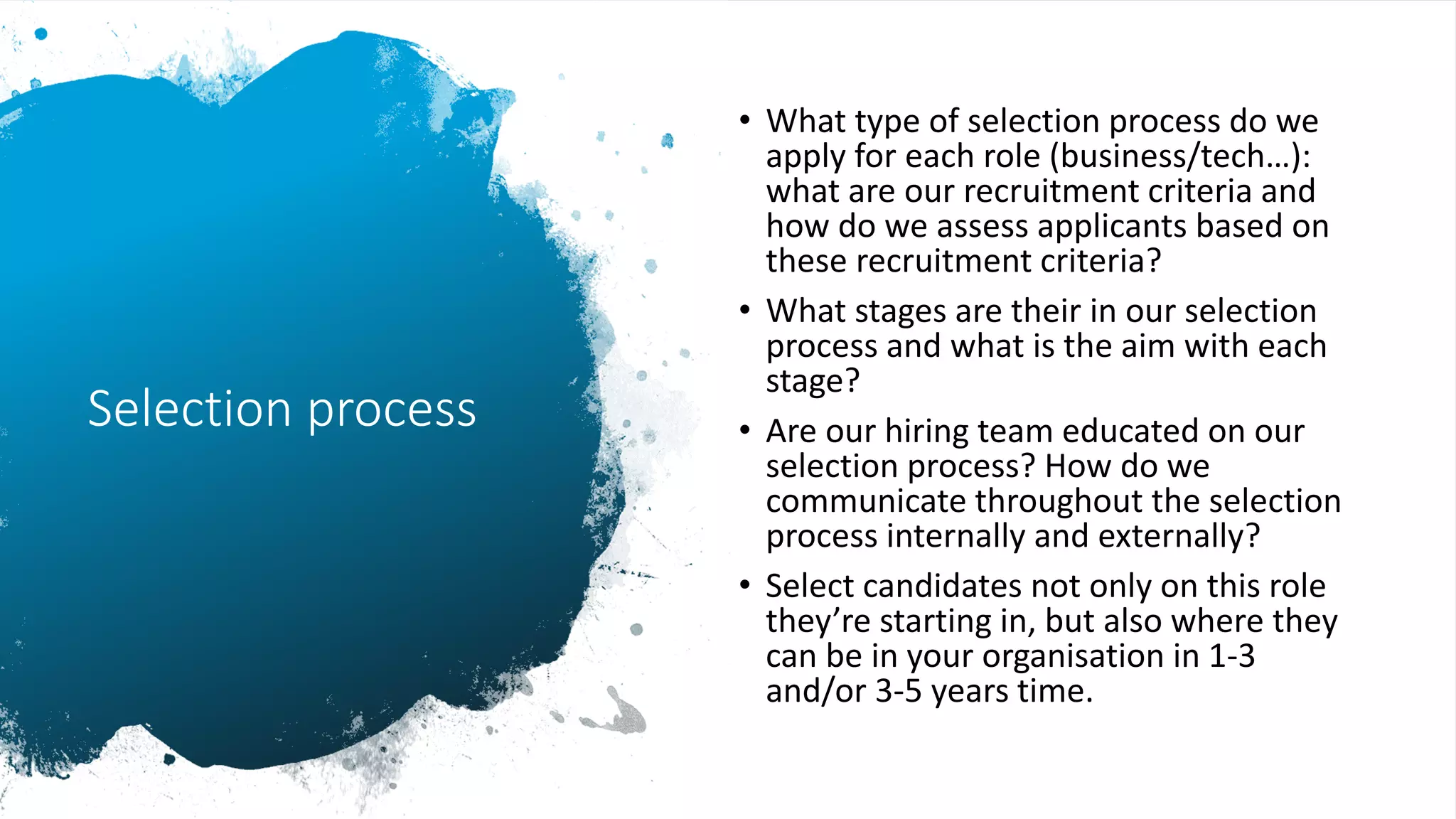
Selection process
• What type of selection process do we
apply for each role (business/tech…):
what are our recruitment criteria and
how do we assess applicants based on
these recruitment criteria?
• What stages are their in our selection
process and what is the aim with each
stage?
• Are our hiring team educated on our
selection process? How do we
communicate throughout the selection
process internally and externally?
• Select candidates not only on this role
they’re starting in, but also where they
can be in your organisation in 1-3
and/or 3-5 years time.
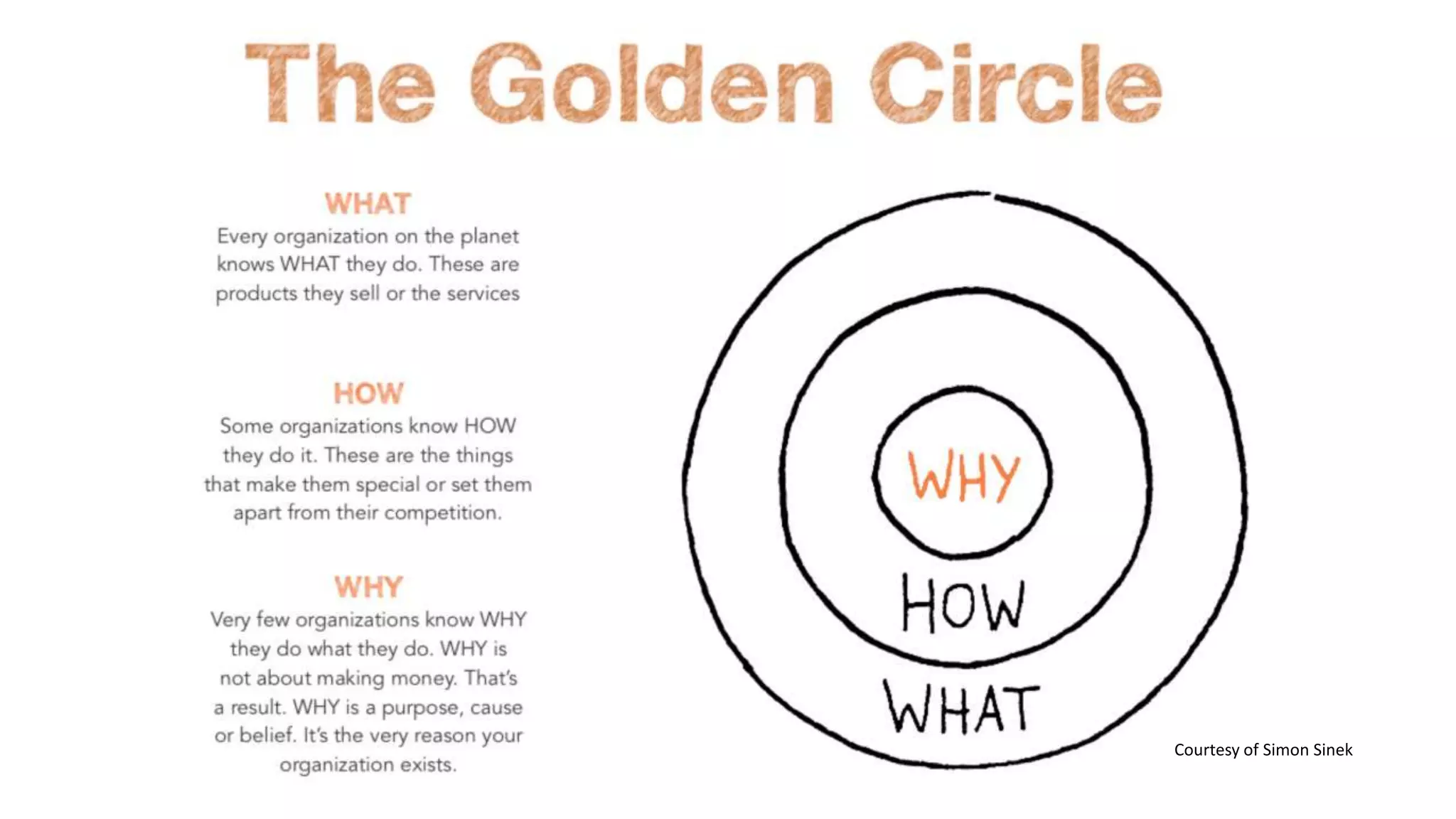
Courtesy of Simon Sinek
Interview process
• Examples of interviwes: structured, semi-structured, unstructured, behavioural, problem
solving, panel interview?
• What is the candidate experience we want to have them leave with?
• An interview process is always two-way, both parties are assessing each other.
Hire process
• Prepare, prepare, prepare: Have a well-
planned hiring process, closing happens at
every stage of the candidate journey –
remember first impressions!
• Shorten the time of hire
• Don’t make an offer until the candidate is
ready!
• Get the whole story
• Evaluate their responsiveness
• Communication, communication,
communication
• Don’t take for granted that a candidate is
sold on the position
• Candidates want to know they’re wanted,
though instill a sense of urgency
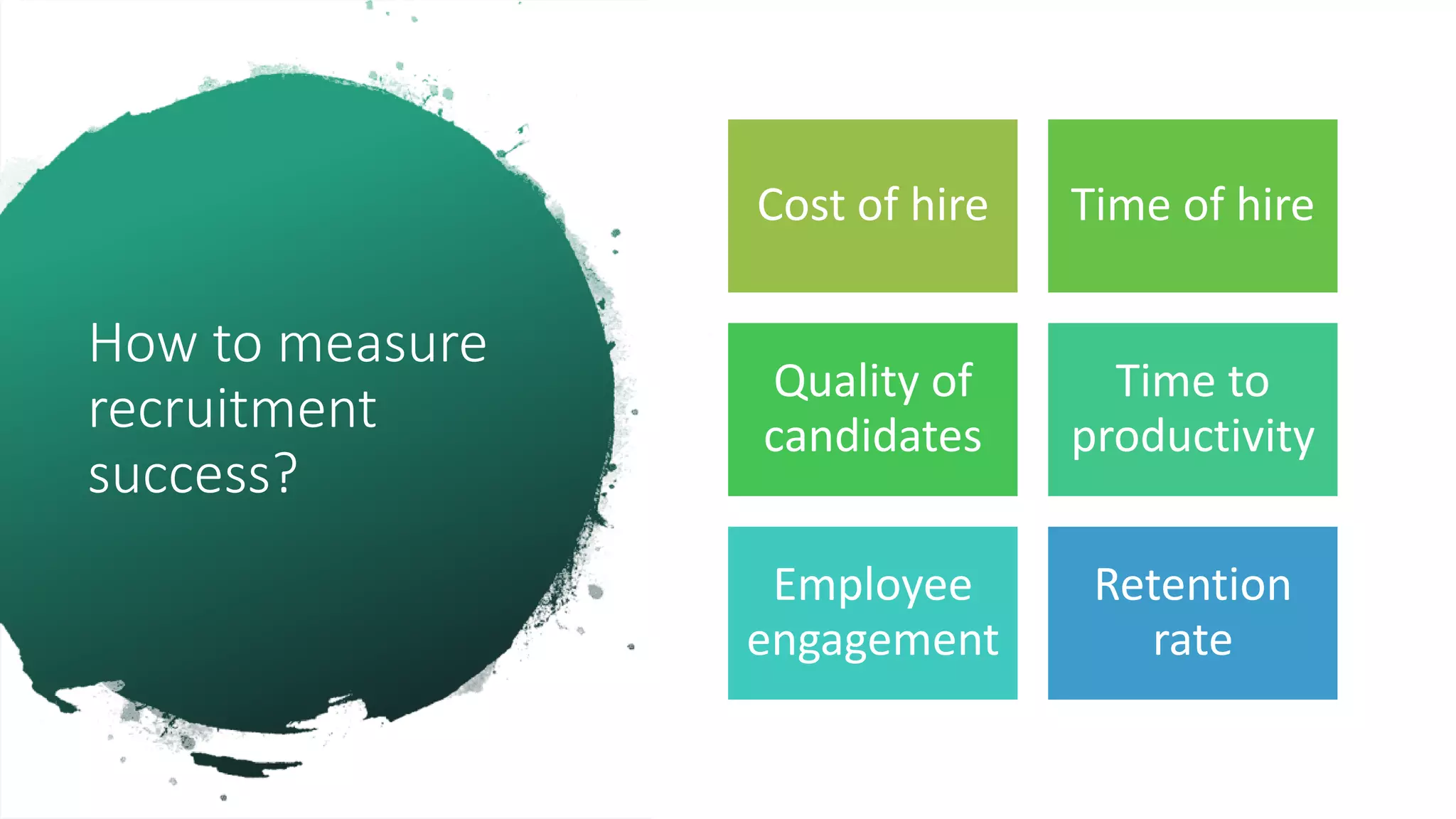
How to measure
recruitment
success?
Cost of hire Time of hire
Quality of
candidates
Time to
productivity
Employee
engagement
Retention
rate

Creating a recruitment process from scratch

  • 1.
    How to createa recruitment process from scratch Mia Berglund 2019
  • 3.
    Agenda • Candidate persona •Recruitment process • Application • Selection • Hiring • How to measure recruitment success and predict future success
  • 4.
  • 5.
    Candidate persona – WHY? • Ina way the candidate needs to ”buy” the position you’re offering ”If you aim at nothing, you’ll hit every time.” – Zig Ziglar • A candidate persona… • Helps you get clear on who you’re targetting and makes you more effective in all stages of the recruitment process. • Saves you money – cost of a wrong hire can be estimated at 30% of the person’s first year salary or even 25,000 – 50,000. • The point with the candidate persona today is to: • Create more relevant job descriptions and attract the right applicants for you and also qualify out the wrong applicants • Understand the best recruiting channels for your target candidates • Align your hiring strategies and get greater success in recruitment and the employees output
  • 6.
    Other notable results froma well defined candidate persona • Reduced turnover rate • Recruiting people that are a fit for your company culture • Improved candidate experience • Higher offer-acceptance rate • Improved recruitment-marketing • Lower cost-to-hire • Improved company Employer Brand • Higher employee satisfaction
  • 7.
    How to create acandidate persona 1. Benchmark current ”star” employees 2. Business objectives and timelines 3. Who is hiring, what manager or team will they be joining 4. What do we don’t wanna have? • Throw out everything you think you know right now and start from scratch. • The most effective candidate personas are based on real, concrete data — not gut feelings and assumptions.
  • 8.
    Example of candidate persona template Courtesy ofTalentlyft – www.talentlyft.com/en/resources/what-is-candidate-persona
  • 9.
    Persona check-list Demographic information: Age,location, current job title, income. Background: Educational and professional history. Personal attributes: Personality characteristics, strengths, weaknesses, interests and fears. Qualifications: Any required or preferred skills, certifications, coursework, etc. Goals: What kind of career do they want to build? Where do they want to be in three to five years? Objections: What would cause a candidate to not want to work for a company? What aspects of a company’s brand, culture or hiring process would cause them to lose interest?
  • 10.
  • 11.
    Application process • How andthrough which channels does your candidate look for opportunites, if they look at all? • What type of application process will our candidate persona enjoy the most? How should it be designed?
  • 12.
    Job advertisement The pointwith the job advertisement is just as much to qualify OUT the wrong people as it is to qualify IN the right people. • Study your target candidate. • Optimize the job title with the keywords that the candidate is using. • Start with a company summary. • Concisely describe the job's benefits. • Summarize the benefits package or EVP. • Keep the job's requirements clear and realistic. • Use strong verbs to describe the job's responsibilities.
  • 13.
    Selection process • Whattype of selection process do we apply for each role (business/tech…): what are our recruitment criteria and how do we assess applicants based on these recruitment criteria? • What stages are their in our selection process and what is the aim with each stage? • Are our hiring team educated on our selection process? How do we communicate throughout the selection process internally and externally? • Select candidates not only on this role they’re starting in, but also where they can be in your organisation in 1-3 and/or 3-5 years time.
  • 14.
  • 15.
    Interview process • Examplesof interviwes: structured, semi-structured, unstructured, behavioural, problem solving, panel interview? • What is the candidate experience we want to have them leave with? • An interview process is always two-way, both parties are assessing each other.
  • 16.
    Hire process • Prepare,prepare, prepare: Have a well- planned hiring process, closing happens at every stage of the candidate journey – remember first impressions! • Shorten the time of hire • Don’t make an offer until the candidate is ready! • Get the whole story • Evaluate their responsiveness • Communication, communication, communication • Don’t take for granted that a candidate is sold on the position • Candidates want to know they’re wanted, though instill a sense of urgency
  • 18.
    How to measure recruitment success? Costof hire Time of hire Quality of candidates Time to productivity Employee engagement Retention rate

Editor's Notes

  • #8 Current ”star” employees : Ask yourself who do you want to clone? Or who would you fight for to keep in your company if they told you their resigning. Business objectives and timelines : What are your business outcome goals for the next 12 months? What skills and expertise do you need to achieve that? When do you need to achieve that by? What are the next 12 months like and can we develop people internally to step into those skills needed?  Career development rather than adding headcount. This will determine the candidate persona’s future potential. Who is hiring, what manager or team will they be joining.  Culture fit. What do we don’t wanna have?  Just as important to what we do want. What might affect culture negatively? E.g. no sharp elbows.
  • #15 How to select the right candidates: - Why are you recruiting someone? What is the purpose of this hire? How do you go about finding the right person, how do you set yourself apart as an employer? What are you looking for – skills, eperience etc.
  • #16 Based on role, candidate persona and our recruitment criteria we can choose the interview process. Think about also all the candidates we won’t be offering a role to, what do we want them to ecperience? Remember to allow for the candidate to interview you just as much (if not more) than what you’re interviewing them.